Best Camera for Studio Photography

Studio photography looks simple from the outside. Controlled light, clean backgrounds, fixed settings. But after years of shooting fashion campaigns, beauty portraits, commercial products, and editorial work inside studios, I can say the camera you choose changes everything from skin texture to workflow speed.
I have worked with full frame mirrorless systems, medium format bodies, and older DSLR setups during client shoots. Some cameras made retouching easier. Some gave me incredible color depth straight out of camera. Others struggled when tethered for long sessions.
This guide is based on real shooting experience, not spec sheets alone. If you are searching for the best camera for studio photography, these are the models that consistently deliver professional results in real working environments.
In a rush and just need the quick answer? Here are my top-rated picks you can confidently choose from right now.
What Actually Matters in a Studio Camera
When I shoot in a studio, I care less about burst speed and more about these things:
• High resolution for detailed editing
• Accurate skin tones
• Dynamic range for lighting flexibility
• Reliable tethering performance
• Sharp autofocus for eyes and products
• Consistent color science
• Battery stability during long sessions
A studio setup exposes every flaw. Weak autofocus, poor color rendering, and low dynamic range become obvious immediately under controlled lighting.
Affiliate Disclaimer: This guide is reader-supported. If you buy through the links on this page, I may earn a small commission at no extra cost to you!
Best Overall Camera for Studio Photography
Sony A7R V

The Sony A7R V has become my primary studio camera during commercial portrait sessions.
The first thing I noticed was how much detail this sensor captures. Skin texture, fabric detail, makeup work, jewelry reflections, all of it holds together beautifully even after heavy cropping.
I recently photographed a cosmetics campaign where the client wanted ultra close beauty crops for magazine printing. The files from the A7R V gave the retoucher enough detail to work comfortably without making skin look artificial.
What I love most:
• Extremely sharp 61MP sensor
• Excellent eye autofocus even under modeling lights
• Reliable tethered shooting performance
• Strong dynamic range for preserving highlights
• Flexible RAW files for color grading
Sony colors used to feel slightly clinical years ago. That changed dramatically with newer models. Skin tones now feel natural and balanced, especially under softboxes and large octa lighting.
I pair it with the Sony 85mm GM lens for beauty portraits and the 90mm Macro for product work.
You can read more about Sony imaging technology on the official Sony Alpha page.
Best Canon Camera for Studio Portrait Photography
Canon EOS R5

The Canon R5 creates some of the most beautiful skin tones I have seen from a mirrorless camera.
For portrait photographers who shoot families, models, branding sessions, or magazine editorials, this camera feels incredibly polished.
One thing clients constantly mention after seeing previews is how flattering the files look before retouching. Canon color science has always had that strength.
During a corporate branding session in Chicago, I photographed over 40 executives in one day. The R5 locked onto eyes quickly and maintained consistency across every setup. That saved hours during post production.
Key strengths:
• Gorgeous skin rendering
• Strong autofocus reliability
• Crisp 45MP resolution
• Excellent compatibility with studio strobes
• Comfortable handling during long shoots
The electronic viewfinder also feels very natural under studio lighting conditions.
For photographers who value color and ease of workflow, the R5 remains one of the best studio cameras available.
Canon Professional Services also offers useful support resources for working photographers.
Best Medium Format Camera for Studio Photography
Fujifilm GFX100 II

This is the camera I pull out when image quality matters above everything else.
Medium format has a different look. It is hard to explain until you use it professionally. The files feel deeper, smoother, and more dimensional.
I used the GFX100 II during a luxury jewelry campaign last winter. Metallic textures, gemstone reflections, and fabric details looked incredible. Even before editing, the files had a polished commercial feel.
What stands out:
• Massive 102MP sensor
• Incredible tonal transitions
• Rich color depth
• Exceptional dynamic range
• High end commercial image quality
The tradeoff is workflow size. These files are huge. You need strong storage and editing hardware.
But for studio photographers working in beauty, fashion, advertising, or product photography, the output quality is stunning.
Get Peter Marks’s stories in your inbox
Join Medium for free to get updates from this writer.
Fujifilm has detailed medium format resources on their official platform.
Best Hybrid Camera for Studio and Video Work
Nikon Z8

The Nikon Z8 surprised me in the best possible way.
I originally rented it for a mixed photo and video campaign. After using it for two weeks in studio environments, I realized Nikon made a serious professional tool here.
The autofocus tracking feels dependable. The files are clean and flexible. Most importantly, tethered workflow was stable during long client sessions.
One afternoon, I shot both still portraits and behind the scenes video content for a fitness brand. Switching between high resolution photography and cinematic video felt seamless.
Why studio shooters love it:
• Excellent balance of photo and video performance
• Strong low ISO detail retention
• Natural color rendering
• Fast workflow speed
• Reliable autofocus in controlled lighting
Nikon colors have a slightly organic look that many portrait photographers appreciate.
DPReview published a detailed technical breakdown that aligns closely with my own testing experience.
Best Lenses for Studio Photography
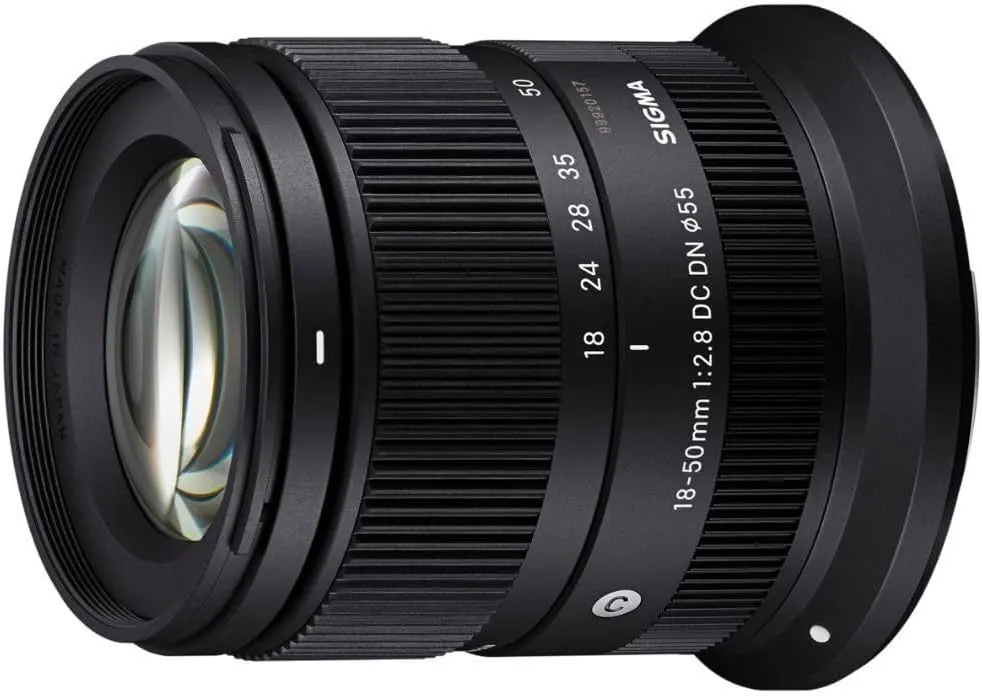
A great camera matters, but lenses shape the final image just as much.
My most used studio lenses include:
• 85mm prime for portraits
• 50mm for branding sessions
• 24 to 70mm for versatility
• 90mm or 100mm macro for products and beauty
• 70 to 200mm for fashion compression
Sharp lenses reveal texture beautifully under studio strobes.
Tethered Shooting Matters More Than People Think
If you shoot professionally, tethering becomes essential.
Clients want to see previews instantly. Art directors need to review framing. Makeup artists check detail closely.
I regularly use Capture One for tethered workflows because it handles studio sessions smoothly.
The Sony A7R V and Canon R5 both performed very reliably during tethered sessions in my experience.
What Other Photographers Told Me
James R. from Texas
“I switched from DSLR to the Sony A7R V for commercial portraits. The detail level changed my retouching workflow completely.”
Melissa T. from New York
“The Canon R5 gave me the best skin tones I have ever worked with for maternity sessions.”
Andre P. from California
“I rented the Fujifilm GFX100 II for a luxury fashion campaign and ended up buying one after seeing the files.”
Dana K. from Florida
“The Nikon Z8 became my go to hybrid camera because clients constantly request both photos and video now.”
My Final Recommendation
If you want the best balance of performance, reliability, and studio image quality, the Sony A7R V is the strongest overall choice right now.
If portraits and skin tones are your priority, the Canon R5 is fantastic.
If you shoot luxury commercial work and want elite image quality, the Fujifilm GFX100 II stands in a different category.
If you need powerful photo and video capabilities together, the Nikon Z8 is one of the smartest professional investments available.
The best camera for studio photography ultimately depends on what you shoot most often. Portraits, beauty, products, fashion, and commercial work all have slightly different demands.
FAQ
What is the best camera for studio portrait photography?
The Canon EOS R5 and Sony A7R V are both excellent for studio portraits because they offer strong autofocus, beautiful image quality, and accurate skin tones.
Is medium format better for studio photography?
Medium format cameras like the Fujifilm GFX100 II provide exceptional detail and tonal depth, especially for commercial work, beauty campaigns, and luxury products.
How many megapixels do I need for studio photography?
Around 24MP to 45MP is enough for most studio work. Higher resolutions become useful for advertising, beauty retouching, and large print projects.
Is mirrorless better than DSLR for studio work?
Modern mirrorless systems offer better autofocus, live exposure previews, and improved tethering support, which makes studio shooting more efficient.
What lens is best for studio portraits?
An 85mm prime lens is one of the best choices because it creates flattering facial compression and sharp subject separation.
Do I need expensive lighting for studio photography?
Good lighting matters more than expensive cameras. Even a basic strobe setup can produce professional results when used correctly.