Member-only story
Charles Dickens — Epilog The Unfinished Sentence
By Kevin J. W. Driscoll © 2026

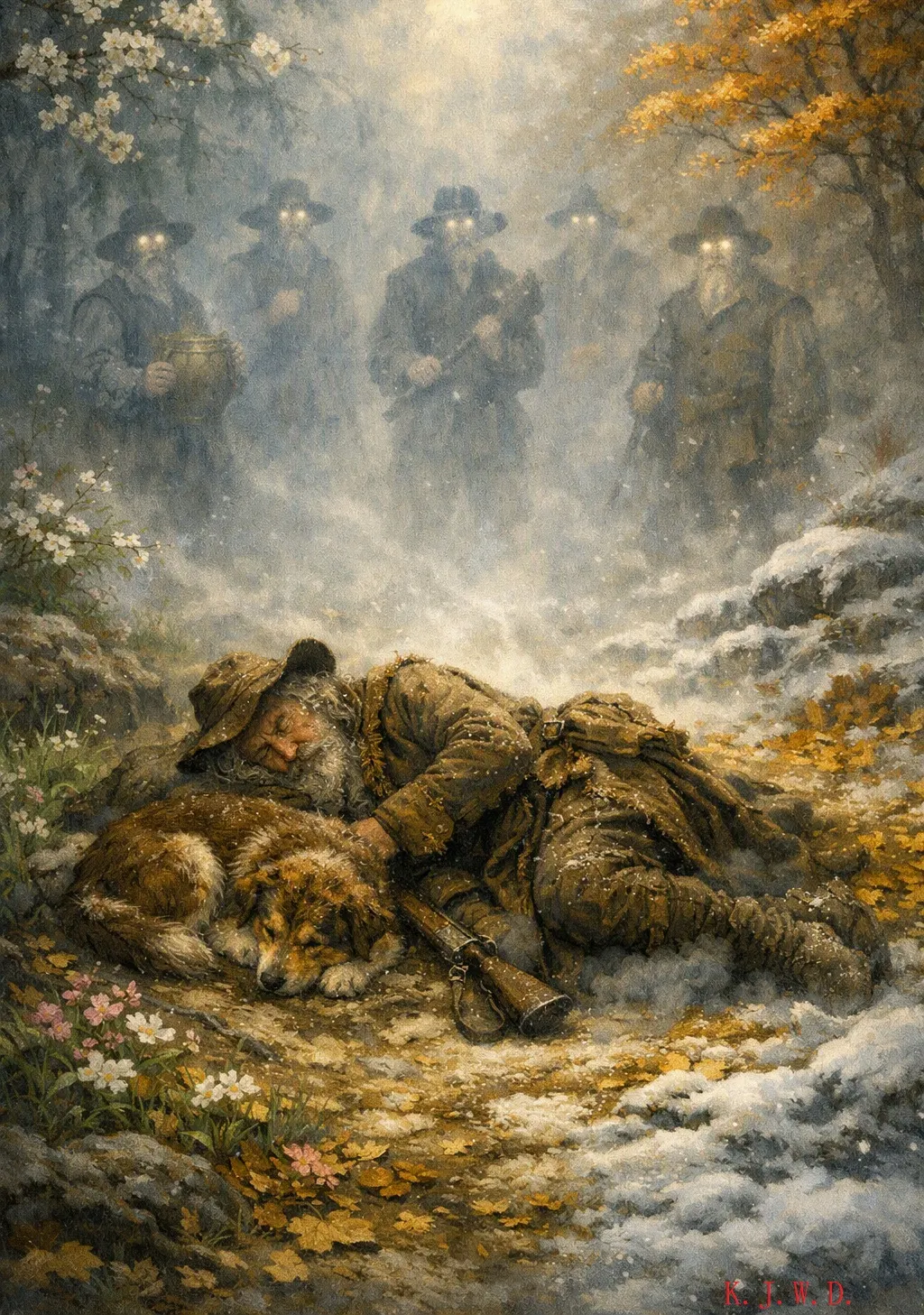
Charles Dickens died on June 9, 1870, leaving behind an unfinished novel and an unfinished argument with the world. The Mystery of Edwin Drood stopped mid‑story, mid‑sentence, mid‑breath — a perfect metaphor for a man who had spent his entire life outrunning silence.
The book’s incompletion was not a failure. It was a truth. Dickens had never been finished. He had never been done. He had never reached a point where the work felt complete, the world felt repaired, or the ghosts felt quiet.
His death shocked England. Crowds gathered outside his home. Newspapers mourned him as if a statesman had fallen. The nation felt suddenly larger and suddenly emptier, as though the voice that had narrated its conscience for decades had gone quiet. But Dickens had not left a void. He had left a lens — a way of seeing that changed how readers understood poverty, childhood, justice, cruelty, and hope.
What remains of Dickens is more than a shelf of novels. It is a moral imagination. He taught readers to look at the poor not as scenery but as citizens. He taught them that suffering was not a private shame but a public responsibility. He taught them that humor could be a form of empathy, that sentiment could be a form of courage, and that storytelling could be a form of…