Why DeFi UX Is Actually an Infrastructure Problem

Users interact with the interface, but they experience the infrastructure underneath it.”
When people talk about user experience in decentralized finance, the conversation usually begins with design.
Clean interfaces. Simple navigation. Clear buttons. Fewer steps.
These things matter. But they represent only the visible layer of the experience.
A DeFi application can have an excellent interface and still feel frustrating if the infrastructure underneath it is inefficient.
A user may not know why a swap produced unexpected slippage. They may not understand why execution took longer than expected. They may not know why one transaction received better pricing than another.
They simply know that the experience was poor.
This is where the traditional definition of UX becomes incomplete.
In DeFi, user experience is heavily influenced by infrastructure.
The interface determines what users see. The infrastructure determines what users actually experience.

A Beautiful Interface Cannot Fix Bad Execution
Consider a simple swap.
The application looks excellent. The interface is clean. The transaction process is easy to understand.
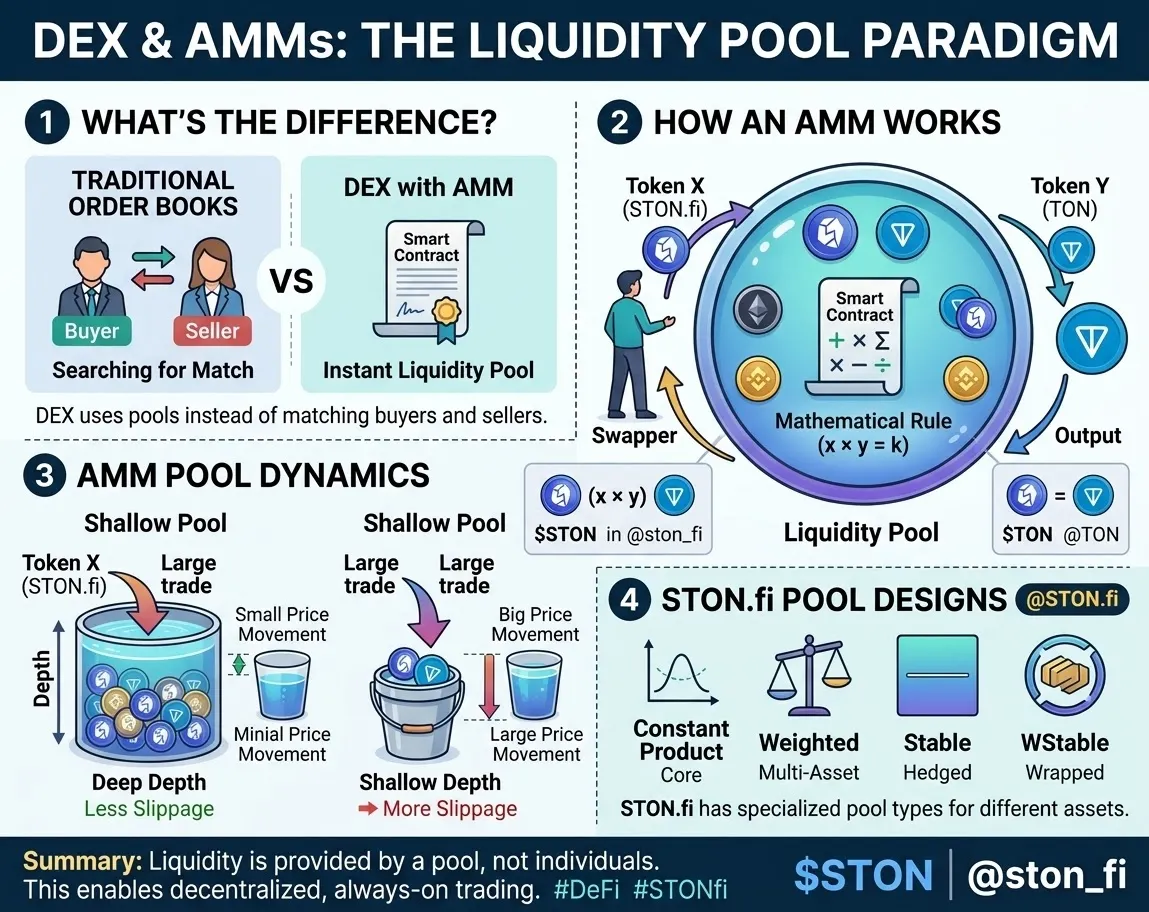
But available liquidity is fragmented across multiple sources, and the routing system fails to identify an efficient execution path.
The user experiences higher slippage.
The interface did nothing wrong.
The infrastructure did.
A large part of the DeFi experience exists outside the interface itself.
Users experience liquidity through pricing. They experience routing through execution quality. They experience infrastructure reliability through transaction success.
They may never see the underlying systems, but they experience their consequences directly.
“Users do not need to understand the cause of friction to remember that the friction existed.”
That is why infrastructure quality should be considered part of UX rather than something completely separate from it.

Liquidity Problems Become User Experience Problems
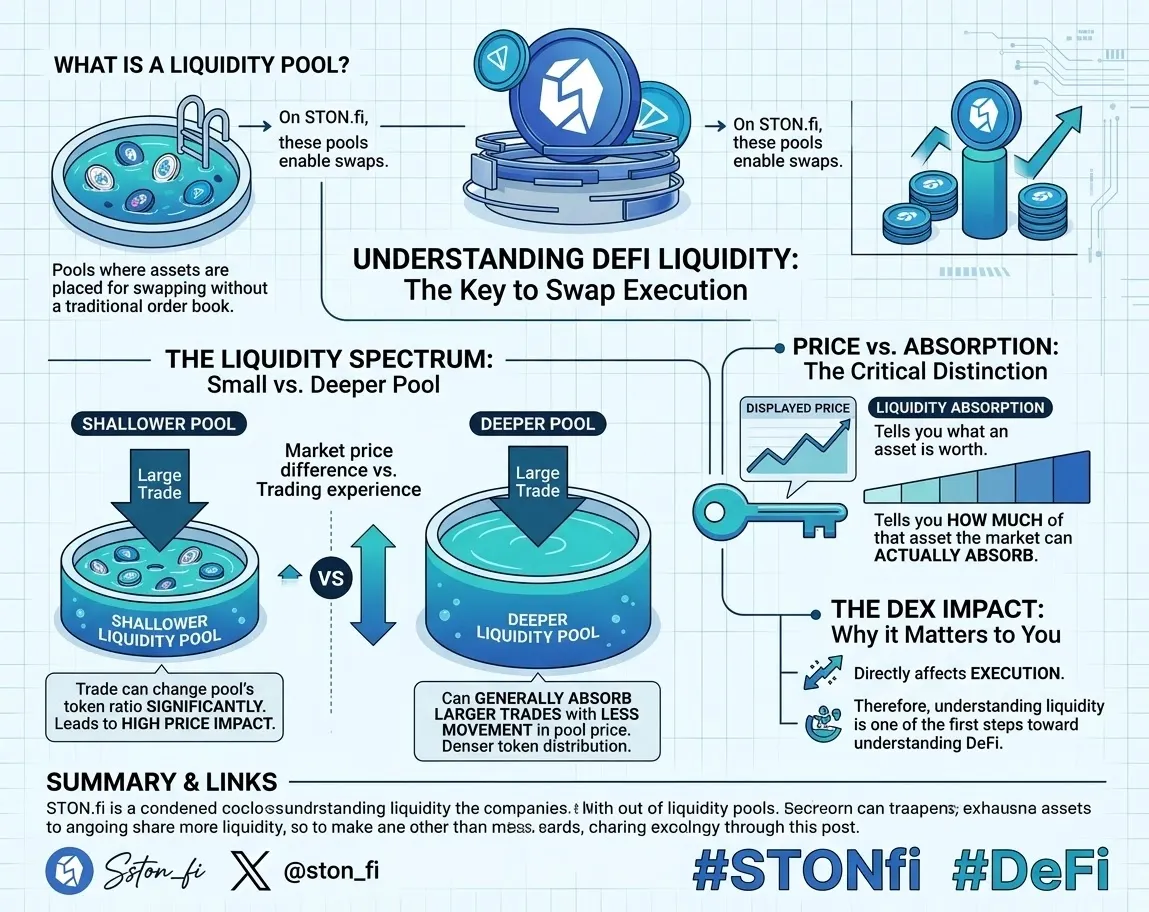
As DeFi ecosystems grow, liquidity naturally spreads across different pools and protocols.
That growth can be positive. More liquidity sources create more opportunities, more competition, and more markets.
But fragmentation creates a coordination problem.
The existence of liquidity does not guarantee that a user can access it efficiently.
If infrastructure cannot identify and connect useful liquidity sources, a user may receive worse pricing despite significant capital existing elsewhere in the ecosystem.
From the user's perspective, the explanation is irrelevant.
They see the final result.
The swap produced more slippage than expected. The execution was less competitive. The transaction did not feel as efficient as it should have.
That is a UX problem.
But the root cause is infrastructure.
Better design can make a complicated system easier to understand.
Better infrastructure can make the system itself work better.
The second problem is often more important.

Routing Is Part Of The User Experience
Routing is another infrastructure layer users rarely think about.
When someone submits a transaction, they expect the system to determine an appropriate way to execute it.
They do not want to manually compare every liquidity source.
They simply want a reasonable outcome.
That expectation places significant responsibility on the infrastructure.
Efficient routing can identify better execution paths across available liquidity.
Poor routing can produce unnecessary price impact and inconsistent results.
The user may never see the routing mechanism, but it influences what the user receives.
The less users understand about a technical process, the more important it becomes for the infrastructure handling that process to be reliable.
Users should not need to become liquidity engineers simply to receive a good swap.
The complexity should be absorbed by the system.

Why Reliability Becomes More Important During Growth
Infrastructure problems become more visible when ecosystems scale.
A system may perform well when activity is low.
Growth introduces more users, more transactions, more liquidity sources, and more applications interacting simultaneously.
Get Khalifa Bagam’s stories in your inbox
Join Medium for free to get updates from this writer.
This creates a more complex execution environment.
If the infrastructure cannot manage that complexity efficiently, users eventually feel the consequences.
Transactions become less predictable.
Execution quality becomes inconsistent.
Delays become more noticeable.
The interface may not have changed at all.
The underlying conditions have.
“Scale does not merely test how many transactions a system can process. It tests whether the system can preserve a consistent experience while complexity increases.”
That is the real UX challenge.

Why TON Makes This Problem More Important
The infrastructure question is particularly relevant for TON because its potential user base extends beyond traditional crypto communities.
Telegram changes the onboarding environment.
A user entering DeFi through a familiar communication platform is unlikely to study liquidity pools, routing mechanisms, or execution architecture.
That creates a higher standard for infrastructure.
The interface may introduce the user to DeFi.
The infrastructure determines whether that user wants to return.
Long term adoption therefore depends on retention, not just onboarding.
A system can attract users, but if they repeatedly encounter inconsistent execution or unreliable transactions, growth becomes difficult to sustain.
As TON DeFi develops, more liquidity sources and applications will introduce more complexity.
The challenge will be keeping that complexity invisible to the end user.

Where STON.fi Becomes Relevant
This is where the infrastructure direction of @ston_fi becomes particularly relevant.
The protocol's work around liquidity access, aggregation, and execution addresses systems that directly influence how users experience decentralized finance.
The objective is not simply to make the interface appear simpler.
It is to improve the mechanisms operating underneath it.
Better liquidity access can improve the availability of useful capital.
Aggregation can help reduce the effects of fragmented liquidity.
More efficient routing can improve execution conditions.
Reliable infrastructure can create greater consistency across transactions.
None of these improvements need to be visible to the user.
A user should not have to understand how liquidity was aggregated or which route was selected.
They should simply receive an experience that feels efficient and predictable.
That is what infrastructure driven UX ultimately means.

The Best DeFi UX May Be The UX Nobody Thinks About
A good interface matters.
But it is only the beginning.
The deeper question is whether infrastructure can consistently deliver what the interface promises.
If a platform promises simple swaps but provides poor execution, the UX is poor.
If it promises efficient trading but cannot access fragmented liquidity effectively, the UX is poor.
If it looks simple but becomes unreliable during high activity, the UX is poor.
The interface cannot compensate indefinitely for infrastructure weaknesses.
Eventually, users experience the underlying system.
“The ultimate achievement of DeFi UX is not teaching users how the infrastructure works. It is making the infrastructure work so well that they never need to ask.”
This may become one of the defining challenges for TON as its DeFi ecosystem matures.
The next generation of users will not judge decentralized finance only by how sophisticated the technology is.
They will judge it by how naturally the technology fits into their daily digital behavior.
That means the future of DeFi UX will be determined far below the interface.
It will be determined by liquidity access, routing, execution, reliability, and infrastructure capable of absorbing complexity without transferring that complexity to the user.
STON.fi's role in this layer deserves attention beyond the traditional definition of a decentralized exchange.
Because improving UX is not always about changing what users see.
Sometimes, it is about changing everything they never see.
Do you think DeFi teams still focus too much on interface design when the bigger UX problems are often caused by infrastructure?
And as TON grows, which layer do you think will matter most for retaining users: interface simplicity, liquidity access, or execution reliability?
#STONfi #TON #DeFi #UX #Infrastructure