Member-only story
Cosmic Collisions: How Galaxies Merge and Evolve


Galaxies don’t just drift through the universe — they meet, tug, and sometimes merge in slow‑motion dances that last billions of years. From the Antennae Galaxies’ sweeping tidal tails to the quiet shells around giant ellipticals, collisions are the engine of galactic change, building the universe we see today.
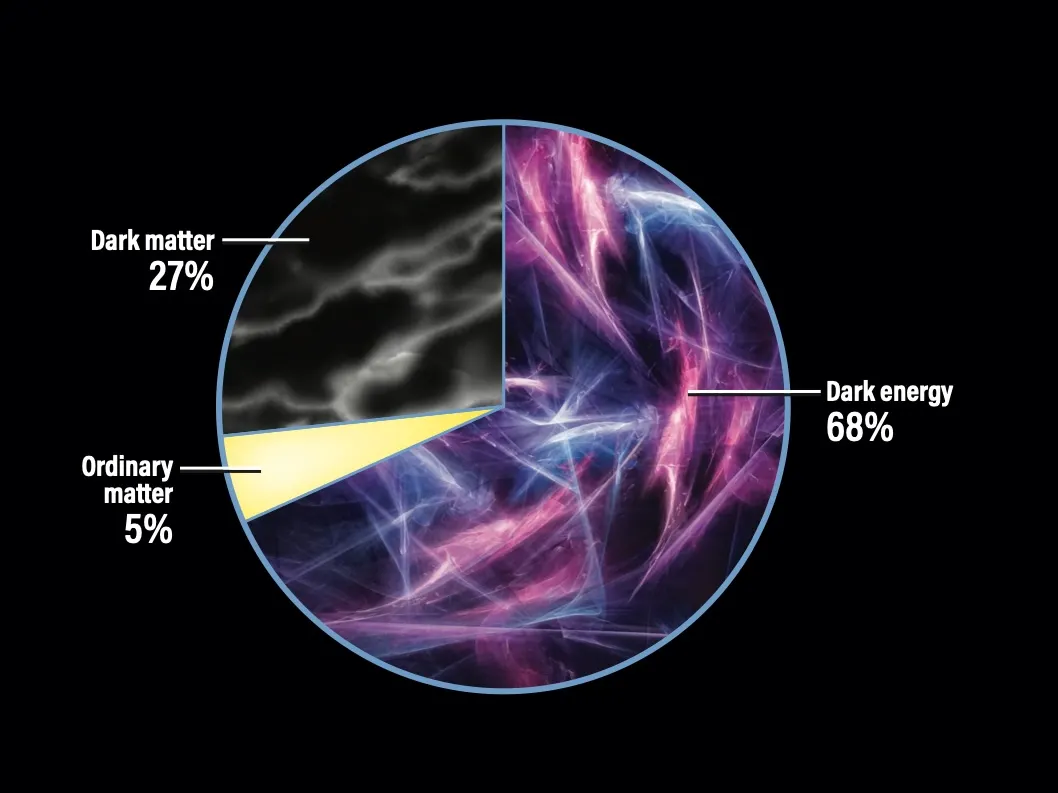
Why do they collide? Gravity does the matchmaking. Each galaxy sits inside a massive dark‑matter halo. When two halos pass close, their mutual pull and “dynamical friction” bleed orbital energy away, drawing the galaxies together. Stars almost never hit — space is too empty — but their orbits are rearranged. Gas, on the other hand, slams, shocks, and compresses, igniting bursts of star formation and feeding central black holes.
Not all mergers are equal. Minor mergers — small galaxies falling into big ones — are common. They thicken disks, stir spiral arms, build stellar halos, and can spark bars that funnel gas inward. Major mergers — roughly equal partners — are transformative. Gas‑rich “wet” mergers light up with starbursts and can awaken active galactic nuclei (AGN), whose winds and jets may later quench star formation. Gas‑poor “dry” mergers add stars without much new gas, puffing galaxies up in size and often leaving behind smooth, elliptical remnants.