Two Mothers, Two Ways of Welcoming Prosperity


Both my mothers have passed away, and every Diwali I still find myself standing between their two ways of doing things.
As you may know, Dhanteras falls two days before Diwali. It is the day when families traditionally buy something small, like gold, silver or a utensil, because it is believed to bring prosperity into the home. On Diwali itself, many of us worship Lakshmi, the goddess of wealth, and Ganesh, who is believed to remove obstacles.
In my husband’s family, the tradition is to buy idols of Lakshmi and Ganesh made of clay, and worship them on the day of Diwali. My mother-in-law had a simple rule about Dhanteras too. Even if it is only one spoon, buy something on this day, because it brings prosperity. Since my marriage, I have followed this every year. One utensil, and the clay idols.
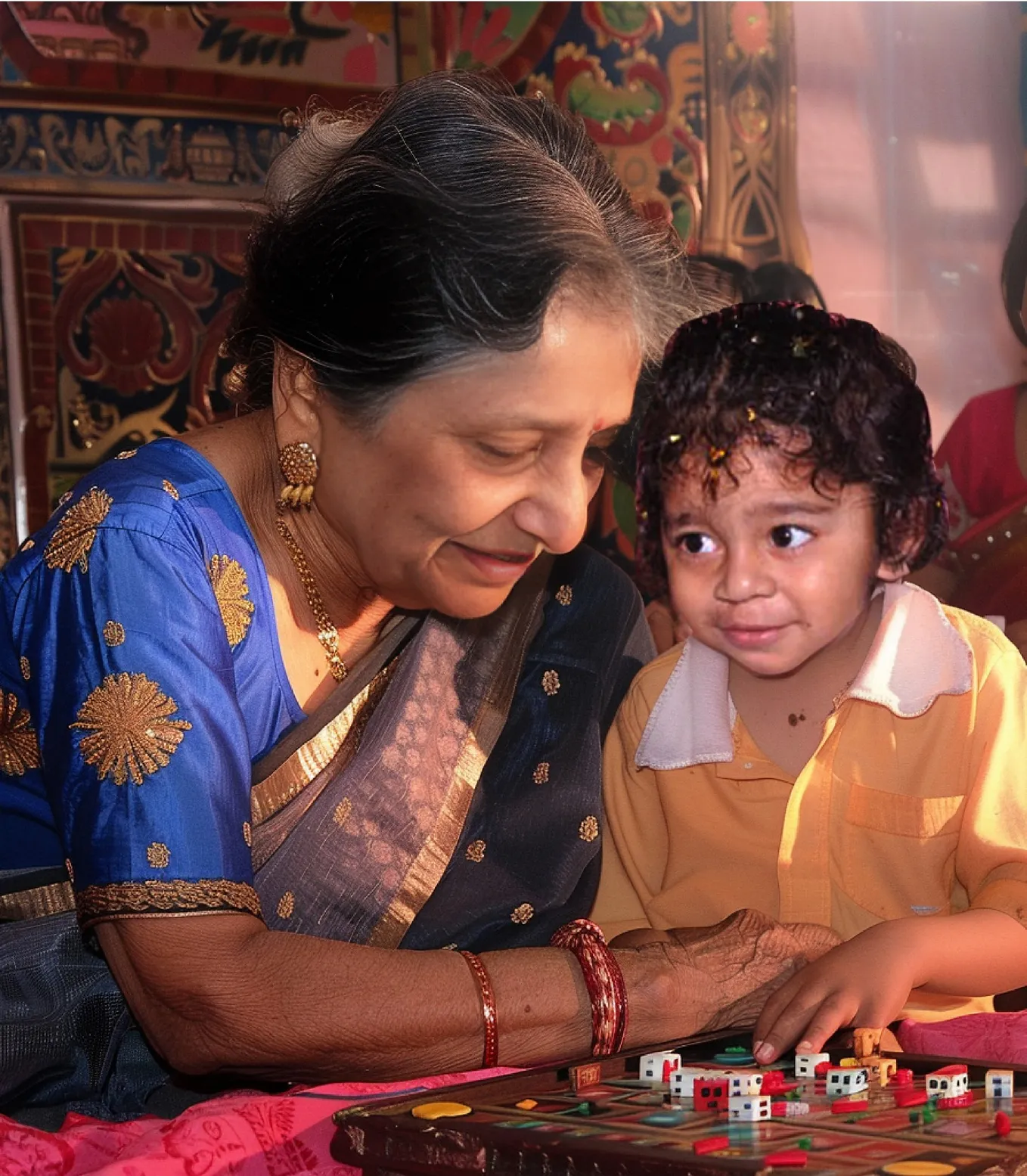
In the home I grew up in, things were a little different. My mother also bought the idol, but she bought it on the day of Diwali itself, not on Dhanteras. And she had a way of speaking about prosperity that I have never forgotten. She used to say that you should not spend money to bring prosperity into the house. Bring it in your behaviour, in the way you see other people. Buy time. Buy the happiness you can give someone. The real wealth, she believed, lies in nurturing relationships, and money cannot buy that.
Get Kiran Tandon’s stories in your inbox
Join Medium for free to get updates from this writer.
For a long time I thought these were two different ways of looking at the same day. One said prosperity comes from a small thing bought at the right moment. The other said it comes from what you give to the people around you.
I do not claim to have worked this out. But I have come to see that neither of them was wrong. A spoon or a clay idol is a way of pausing once a year and saying, we want this home to be well. My mother said the same wish in her own words, and asked more of me than any shopping ever could.
So I keep both. I buy my utensil and bring home my clay idols, because that is how I stay connected to the family I married into. And I try to remember what my mother taught me, that the best thing I can bring into a home is not an object. It is my time, my attention and the way I treat the people in it.
My mother’s name was Usha, which means dawn. My name is Kiran, which means a ray of light. That is where the Hindi version of my book gets its title. I did not plan this as a Diwali story, but at this time of year it feels like one.
If you are celebrating, I wish you a bright and peaceful Diwali. And I would like to ask, is there a small tradition in your family that you still follow because of someone who taught it to you?
— Kiran Tandon, Author, ExtraOrdinary Experiences of an (extra) Ordinary Girl | Founder, Talent Potential Consulting, Insppy | TEDx Speaker
www.kirantandon.com