A Transformative Experience — Temporary Life Housesitting in France

As the founder of Housesitmatch.com and a housesitter of many years, I thought I understood what the experience offered. A month in the South of France proved me wrong.
By the second week, we weren’t travelling in France anymore — we were living there.
What started as a month-long housesit in the South of France quietly became something else entirely: a shift in rhythm, routine, offering us a whole new perspective. We had slipped into someone else’s life: shopping where they shopped, cooking in their kitchen, caring for their cats — and found ourselves wondering how easily we could stay.
Here’s what that experience taught us.

Photo courtesy of Lamia Walker
Time Out For Good Behaviour
Many of us live extremely busy lives, with responsibilities for dependents and businesses. This framework we create for ourselves is doubtless productive, enormously satisfying and rewarding in many ways. Yet that busyness creates a kind of imprisonment that we’ve normalised.
The housesit created a decompression I didn’t realise I needed, it was not a holiday yet effectively it created a pause that allowed us to escape. Ironically, the housesit also created the additional responsibilities of caring for someone else’s home, pets and garden, yet a change in this instance was definitely a fantastic break.
New Rhythms: Step Into Someone Else’s Footprint

Photo credit — Lamia Walker
The essence of caring for someone else’s home and pets away from all that is familiar concentrates the mind in a way that is in itself an escape. For example, cooking in someone else’s kitchen, admiring how they arrange their equipment and utilities at home — we made lots of notes for home.
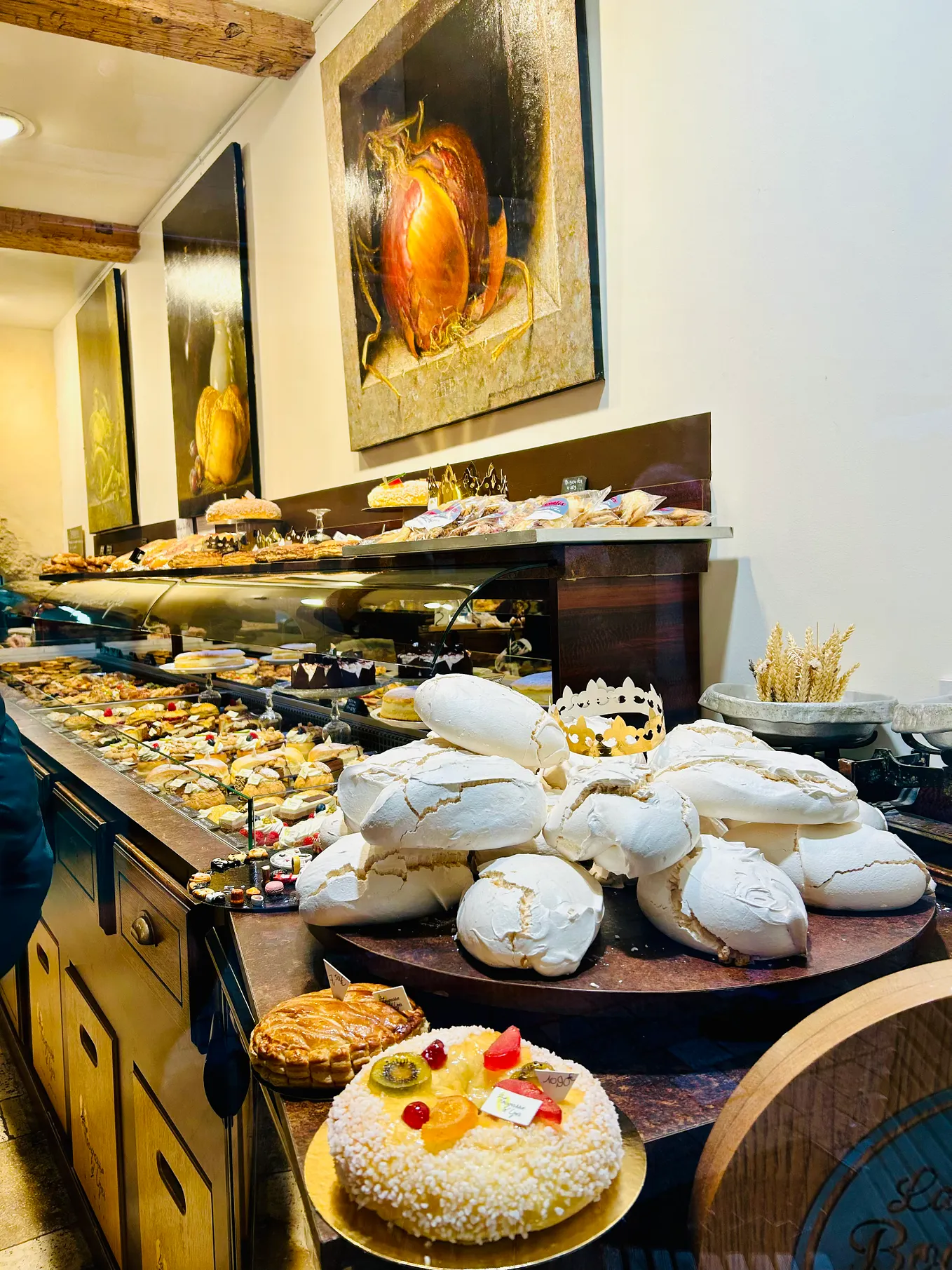
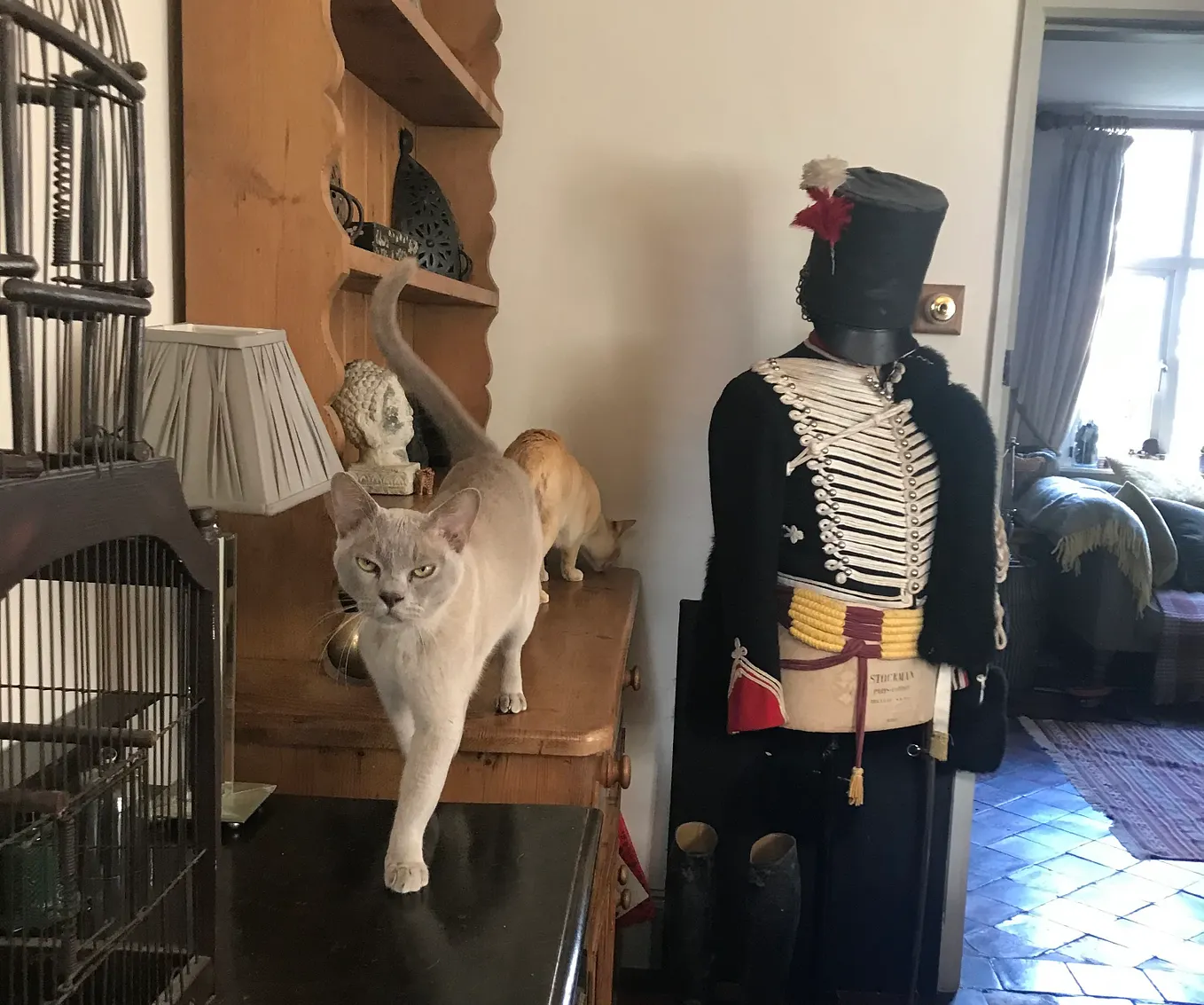
As a housesitter you inhabit their life for the period you are there and follow their routines. You wake up to feed the cats at the prescribed time, ensure the cats eat and have what they need. We had to check the pool pump to ensure all is well in the garden, and that all systems are go. Our shopping habits changed, we would go to the host’s suggested supermarkets nearby and walk daily to the local boulangerie and café, meeting the neighbours and discussing the weather. Slipping into village life in a new gear.

Photo credit — Lamia Walker
A Founder’s Paradox
My previous house and petsits over the 10 years of running the network have usually been short interludes to help clients last minute, or when a sitter calls in sick. But I have never had the luxury of a whole month to spend in one place. This time I planned to take time out, choosing a gig in a place I had always wanted to discover - the Gard, South of France.
So, for years I have written about the joys of housesitting as a way to live like a local and enjoy a new environment but it now transpired I had only glimpsed what it could be like. Finally, I was experiencing being a joyous housesitter relishing a new environment, taking time to absorb a new lifestyle without the restriction of a short week’s holiday.

Photo credit — Lamia Walker
Get LAMIAHSM’s stories in your inbox
Join Medium for free to get updates from this writer.
I finally get it — why full time housesitters do this all the time. They relish the discovery of every new location. They experience someone else’s way of life from within the very footprint. They meet new friends and their pets with every new assignment. Housesitting is fun, if I say so myself!
What Only Slow Travel Can Reveal
By allowing ourselves a whole month to live in a new place, we were able to discover and adopt new ways of cooking, new ways of budgeting for travel by taking public transport everywhere, at the host’s suggestion.
Public Transport in Regional France -
The French regional public transport worked very well with free parking provided just outside of town centres, and buses and trams costing only 2 Euros each way. It makes public transport the only real way to travel saving you money and the planet. In fact there is a new Crit’Air sticker you need to buy ahead of your travel to enter certain towns by car, a real disincentive that makes each driver more accountable.
Local Culinary Discoveries — We discovered foods and drinks we didn’t know existed, and wondered how we had lived without them e.g. Brandade de Nîmes, fougasse from Aigues Mortes, Tavel rosés and Ricard.
Fascinating Local History — Every afternoon we would walk somewhere to discover our fascinating location on foot. And we were in the new location long enough to peel back the characterful layers of our local towns and learn their history by visiting and revisiting some favourite spots — noting understated features that we could otherwise have missed:
- The playwright Jean Racine lived in Uzès for just over a year (1661) , staying with his uncle a vicar in the Bishopric. On leaving he turned away from a life in the Church choosing the theatre instead. This was undoubtedly the literary world’s gain.
- French literary giant André Gide spent Summers here with his paternal Grandmother as a child — “Oh little town of Uzès!” the French novelist Gide wrote affectionately of this medieval town in the South of France in his 1924 memoir, “Unless the Seed Dies.” “If you were in Umbria, Parisians would be visiting you in herds!” The Georges Borias Museum in town has a room dedicated to the Nobel Prize Winner with personal letters, original manuscripts and first editions.
- Cathédrale Saint-Théodorit d’Uzès — dates back to the first Crusade though only the Tour Fenestrelle is the only part to survive from the medieval structure. A striking building with a chequered history marked by the French Wars of Religion.

The entrance to Uzès Museum was right next to the Cathedral
Photo credit — Lamia Walker
“I hadn’t understood, until now, that this glimpse into someone else’s life can change you — it can alter your perspective on your own.”
A Question We Didn’t Expect to Ask
Somewhere in the third week, a quiet thought began to surface — the kind you push away at first because it feels impractical, even dangerous. We could actually live here.
Not visit. Not return just for two weeks next summer with a suitcase and a list of restaurants. We could actually live here. Shop at the Saturday market in Place aux Herbes every week; all the fishmonger by name and buy our wine from Pierre at the vignoble. We could walk the cobbled stones at all times of day and night and in different seasons. We could reserve our favourite table at La Nougatine for lunch whenever we fancied.
It caught me off guard. I’ve spent years telling housesitters that the experience offers a glimpse of local life — and I meant it. But I hadn’t understood, until now, that the glimpse itself can change you. That borrowing someone else’s rhythm for long enough eventually starts to feel like your own.
By the time we fed the cats on our last morning, checked the pool pump, and handed the keys back, we weren’t just leaving a housesit. We were leaving a lovely life we had briefly and unexpectedly inhabited and thoroughly enjoyed.
What the Experience Actually Taught Us
The South of France didn’t teach us anything we couldn’t have read in a guidebook about Uzès, or Nîmes, or the Romans who built their theatre at Orange. What it taught us was something quieter and more unsettling: that the life we’d been living at pace, with purpose, with a business and responsibilities and the constant forward motion of things — that life is a choice. Not the only one available.
A month is long enough to help you feel the difference between moving through a place and belonging to it. Long enough for the cats to stop watching you suspiciously and start simply assuming you’ll be there or seducing you into offering extra treats. Long enough to understand that slow is not the opposite of productive — it is, in many ways, a deeper kind of productive altogether. I could still work online and did so every morning.

Photo credit — Lamia Walker
I came back to Housesitmatch.com with something I hadn’t expected: not new ideas for the platform, not content for the blog, but a renewed understanding of why the people who use it keep coming back. They’re not just looking for free accommodation, or an adventure, or a cheaper way to travel. They’re looking for the particular feeling of being, however briefly, somewhere that feels like it could be theirs.
If a month in the South of France taught me one thing, it’s this: the life you’re wondering about — the slower one, the one lived closer to the ground that you feel underfoot as you walk the cobbles — is more accessible than you think. You don’t have to upend everything to find it. Sometimes all it takes is two cats, a pool pump, and someone willing to trust you with the keys to their home.