Relevance in the Age of Instant

There’s a version of craft mastery that used to take years. You put in the hours, you failed enough times to develop instinct, and eventually your hands or your eye knew things your conscious mind hadn’t fully worked out yet. That slow accumulation was the training.
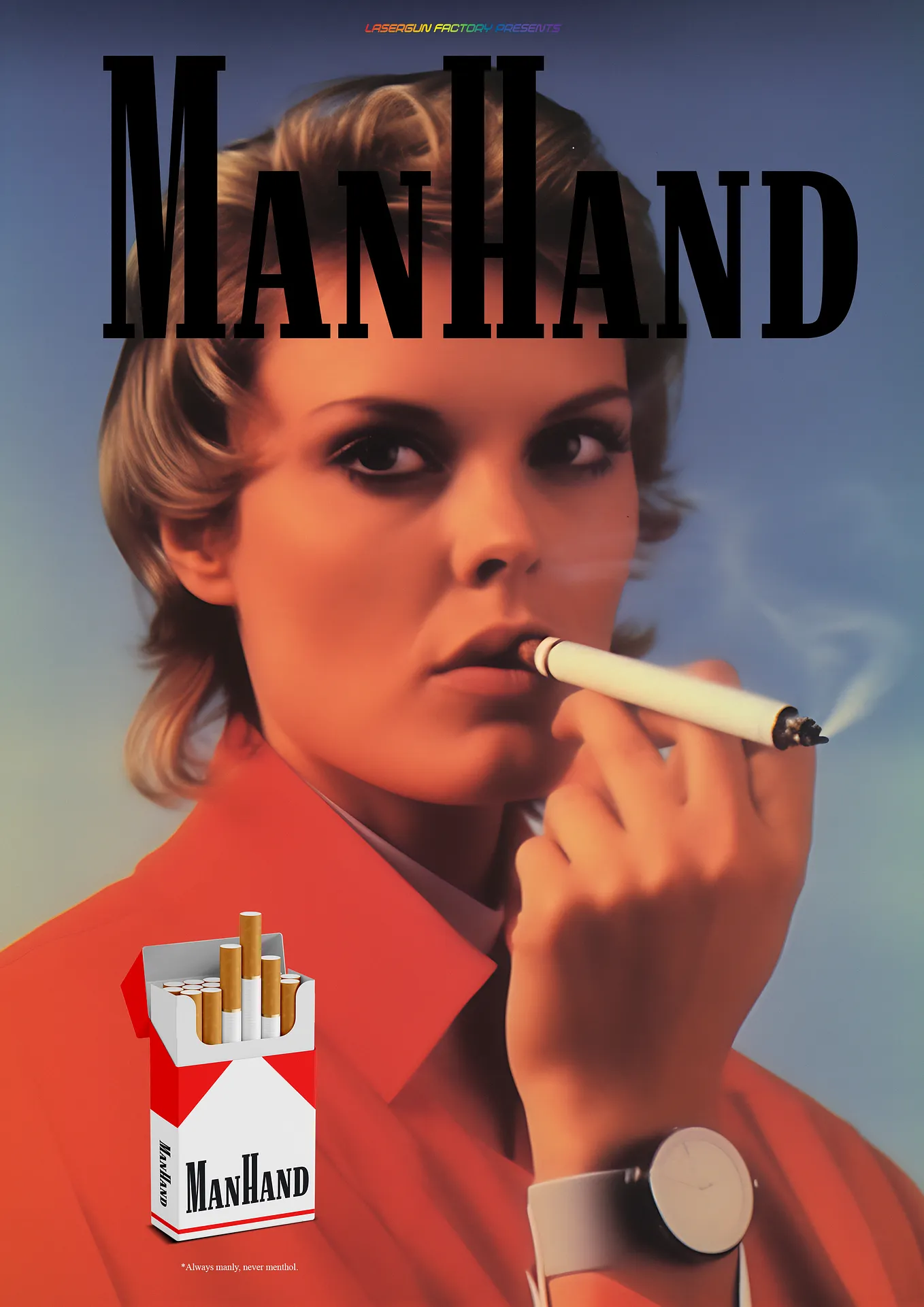
Now a decent image can exist in seconds. A draft, a concept, a first pass at almost anything can be generated before you’ve finished the thought that prompted it. My series CONSOLE COWBOY came out of sitting inside that shift directly. Every figure in that collection was built from text, not a camera, not years of studio practice in the traditional sense, just direction given to a system that could execute faster than I could second-guess it.
What interests me now isn’t the speed itself. It’s what the speed is doing to the way we think before we make anything.
When craft takes years, the thinking and the making are tangled together. You revise as you go because revising is slow and physical, and that slowness forces reflection into the process whether you want it or not. When generation takes seconds, the thinking has to happen somewhere else, earlier, faster, or not at all. The bottleneck moves from execution to judgment. And judgment is a much harder thing to fake, or to shortcut, than technique ever was.
I don’t think this is only a creative industry problem. It’s a cognition problem, and it’s showing up everywhere, not just in art and design. Any time a decision that used to require sitting with a problem can now be answered instantly, by a model, a search, a generated draft, we’re being asked to build a new kind of default reflex around how fast we’re willing to accept an answer.
Get Jason Scuderi’s stories in your inbox
Join Medium for free to get updates from this writer.
Watch how it plays out somewhere completely outside of art. A team is scoping a product roadmap and asks a model for three possible directions. The first option looks reasonable, so that’s the one that moves forward, not because it was tested against the other two, but because the friction that used to force that comparison, the time it took to work each option out by hand, is gone. Nobody decided to stop comparing. The tool just removed the moment where comparison used to happen by default.
I’ve started calling this the Compression Instinct: the reflex to accept the first workable answer once the years of effort that used to stand between a question and its answer get compressed into seconds. It isn’t AI thinking for us. It’s our own judgment quietly renegotiating how much friction it actually needs before it feels satisfied. What we reach for first, and how quickly we stop questioning it, is being rewired in real time, and most of us haven’t noticed it happening.
So where does relevance live now, if not in the years-long acquisition of technique? I think it lives in exactly the part that speed can’t compress: knowing what’s actually worth generating, and knowing when to stop and ask why. Direction. Taste. The willingness to sit with a problem a beat longer than the tool requires you to. That’s not nostalgia for the old way of working, it’s a recognition that the tools changed what the work is.
CONSOLE COWBOY was, in part, an attempt to sit inside that duality on purpose, a figure with no physical origin, made entirely from direction, standing in for a question about consciousness and authorship that I think is quietly becoming a question about all of us. The Compression Instinct isn’t going away. The only real choice left is whether we notice it operating in us, or let it operate unexamined.
CONSOLE COWBOY SERIES: https://www.lasergunfactory.com/consolecowboy
ETHER GALLERY: https://www.galleryether.com/en/exhibitions/console-cowboy
Jason Scuderi is a Tokyo-based creative director and artist working under the name Lasergun Factory. CONSOLE COWBOY was exhibited at Gallery Ether, Tokyo, 2024.
#AIArt #ConceptualArt #FutureOfWork #CreativeProcess #GenerativeAI #DesignThinking #ArtificialIntelligence #Creativity #CreativeLeadership #ArtAndTechnology #galleryether The AI Art Magazine