AI-Powered Emails That Truly Connect

Hyper-Personalization in Email Marketing: Delivering More Than Just Messages
When I think about my inbox, I often feel like I’m walking through a crowded street market. Every email is shouting for attention — “50% off today!” “Exclusive deals!” “Don’t miss this!” Most of it fades into background noise. But then, there’s that one email that stops me in my tracks. It feels like it was written just for me. It knows what I want, sometimes even before I do.
That’s the magic of hyper-personalization.
In the age of AI and machine learning, email marketing has evolved far beyond inserting a first name into a template. Today, it’s about understanding your audience on a granular level — their habits, their preferences, their quirks — and using that knowledge to deliver messages that truly resonate. It’s not just personalization; it’s connection.
Why Hyper-Personalization Matters
We’re living in an era where customers expect brands to know them. A generic email feels lazy. Worse, it feels like you don’t care.
But get it right, and hyper-personalization is a game-changer. Imagine sending an email about running gear to a customer just as they’re gearing up for marathon season, or recommending a book to a reader based on the genres they love. These aren’t just sales pitches; they’re acts of service.
And let’s be honest — customers have raised the bar. They know what’s possible. Thanks to platforms like Netflix and Spotify, they expect tailored experiences everywhere. If your emails aren’t meeting that standard, they’re falling flat.
The AI Revolution in Email Marketing
AI is the engine driving this new wave of hyper-personalization. It’s what allows us to analyze vast amounts of data and uncover patterns we’d never spot on our own. AI can predict what a customer is likely to want, when they’re most likely to engage, and even what tone or style of message will resonate best.
Take dynamic content, for example. AI makes it possible to send a single email with content that adapts to each recipient. One person sees travel deals to Europe; another sees family-friendly beach vacations. It’s like crafting a bespoke message for every individual on your list — but at scale.
And segmentation? Forget the old days of sorting your audience into broad categories like “Men” and “Women” or “Under 30” and “Over 30.” AI-driven segmentation dives deeper, grouping customers by behavior, intent, and even predicted future actions.
Trends Shaping Hyper-Personalization
One trend that excites me is the rise of real-time personalization. Instead of relying on static data, brands are starting to use live inputs — like browsing behavior or current location — to tailor emails on the fly. It’s the digital equivalent of a salesperson adjusting their pitch based on your questions and reactions.
Get Laura J Bal’s stories in your inbox
Join Medium for free to get updates from this writer.
Another fascinating development is the use of emotional AI. By analyzing language patterns, past interactions, or even emojis, AI can gauge a customer’s mood and tailor messages accordingly. Feeling celebratory? Here’s a congratulatory discount. Having a rough week? Here’s a comforting note with a thoughtful offer.
And then there’s the integration of hyper-personalization with other channels. An email promoting a product you browsed online feels seamless when it’s followed up by a social media ad or a chatbot message offering support.
The Fine Line Between Helpful and Creepy
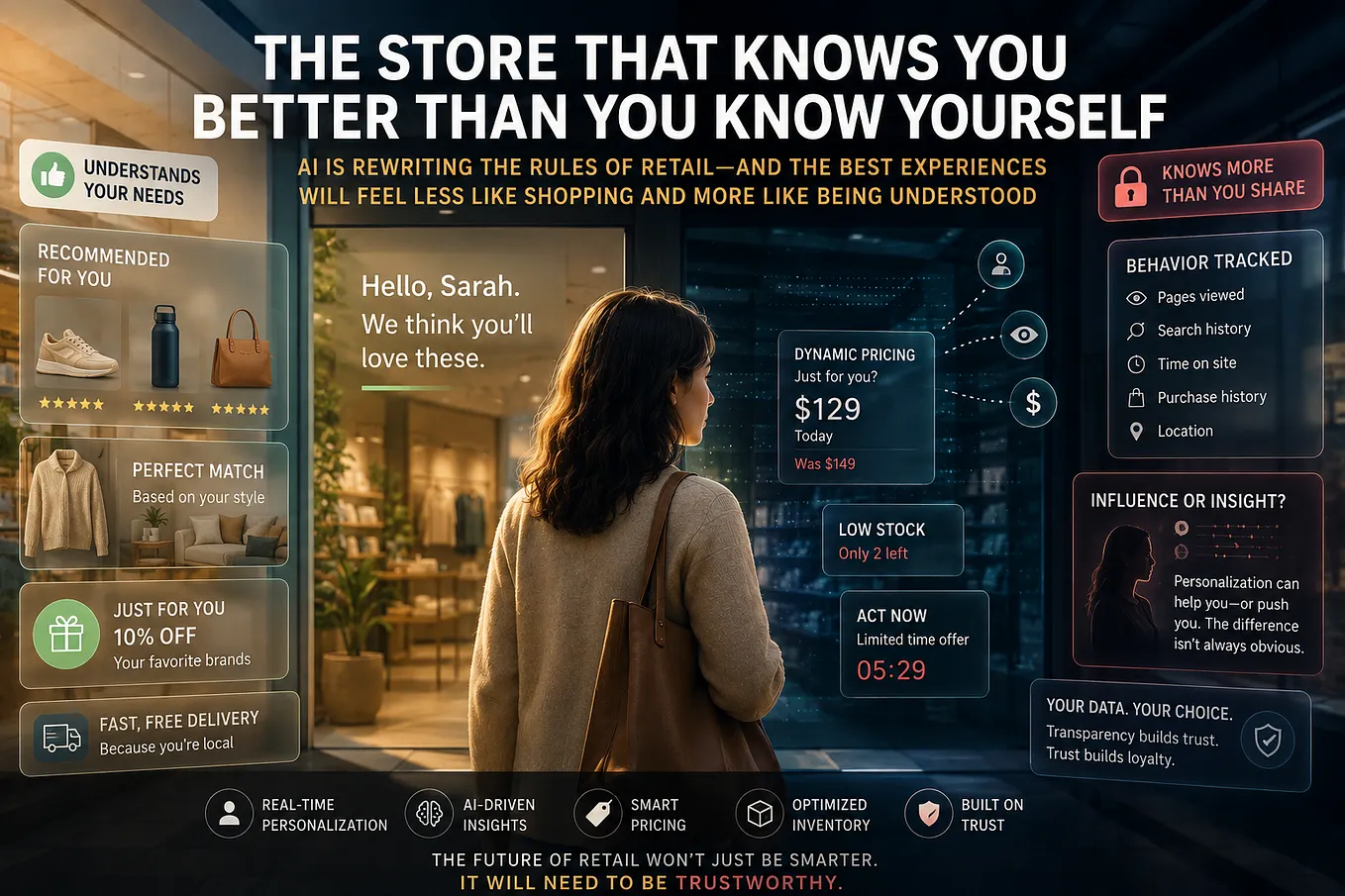
Of course, there’s a dark side to hyper-personalization. Done poorly, it can feel invasive — like a brand is watching your every move. Customers don’t want to feel stalked; they want to feel understood.
This is where transparency comes in. Let customers know how you’re using their data and why it benefits them. Respect their boundaries, and always give them the option to opt out of certain types of personalization.
My Takeaways as a Marketer
For me, hyper-personalization isn’t about technology — it’s about empathy. It’s about putting yourself in the customer’s shoes and asking, “What would make this experience more valuable for them?”
Here’s what I’ve learned:
- Start small. You don’t need a full-blown AI strategy to begin. Even simple personalization — like recommending products based on past purchases — can make a big impact.
- Test and learn. AI is powerful, but it’s not perfect. Use A/B testing to refine your approach and figure out what resonates with your audience.
- Focus on the relationship. Personalization should always feel like it’s enhancing the relationship, not just driving a transaction.
The Future of Email Marketing
As AI continues to evolve, I think hyper-personalization will only get more sophisticated. But the heart of it will stay the same: understanding what customers want and delivering it in a way that feels genuine.
In the end, it’s not about the technology — it’s about trust. Customers will give you their data if they believe you’ll use it responsibly to make their lives better.
So, the next time you sit down to craft an email, don’t think about what you want to say. Think about what your audience needs to hear. Because that’s what turns an email from just another message into something memorable.