Are your diamonds really conflict-free?
Jewelers are increasingly marketing themselves to be selling conflict-free diamonds. But what does it really mean? And how do consumers verify this?
There is no guarantee that the diamond is, in fact, conflict-free, even if it comes with a Kimberley Process Certification. No certificate or tracking database will ever be able to guarantee a diamond to be conflict-free.
While “the cartel” in the traditional sense is no longer active, there is without a doubt, large corporations controlling the supply in order to maintain its false sense of rarity, to keep prices high. Ironically, the value of a diamond these days is because of its price, not its beauty.

Fortunately, technology has allowed us to create diamonds that have the same physical, chemical and optical properties as mined diamonds, without the cruelty and the hefty price tag.
Get Lisa Grande’s stories in your inbox
Join Medium for free to get updates from this writer.
We, as consumers, are also wising up to what truly is value.
A wise professor once challenged his students to “show their high level of education and intelligence by giving a cubic zirconia ring” when they get engaged, and not “waste” money on an expensive diamond ring.
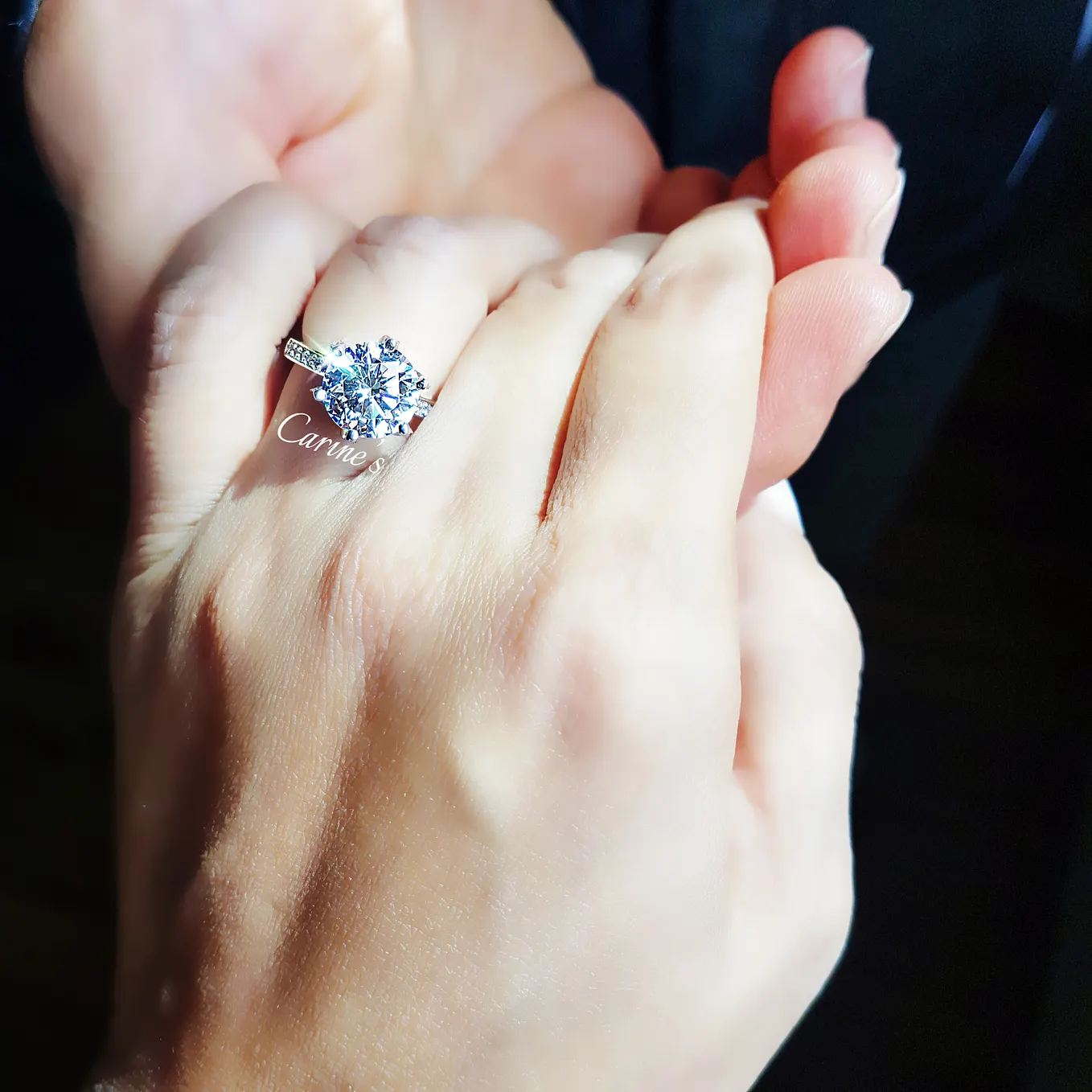
A cubic zirconia (CZ) diamond is a beautiful alternative to a mined diamond, with its crystal clarity and brilliance. It is very similar to mined diamonds in refractivity and appearance — it is difficult even for a trained eye to tell the difference. The cubic crystalline form of zirconium dioxide, CZ is flawless, colorless and hard. Making it brilliant, durable, and affordable.

A CZ diamond is also guaranteed cruelty-free. No earth to be moved. No pockets to be lined. Just hearts to be won!
Choosing to buy cubic zirconia jewelry allows you to enjoy a beautiful dazzling diamond without the hefty price tag, the uneasy feeling of supporting a dark industry, and build a sustainable world, one stone at a time.