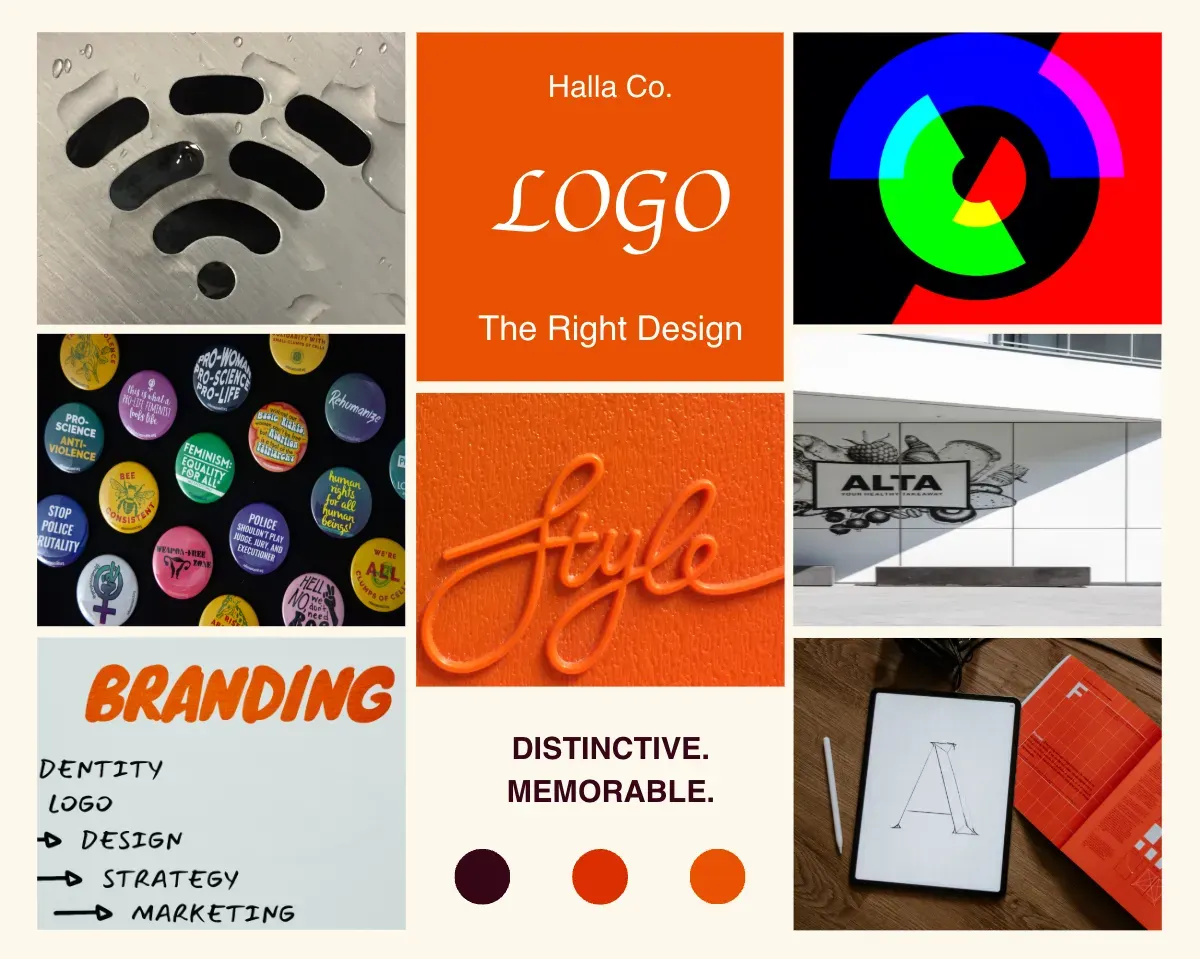
What Is Brand Strategy and Why Does Every Business Need One?

Ever notice how some companies just… stick with you? You see their ad once and it’s in your head for days. Then there’s the competitor down the street doing basically the same thing, and you can’t even remember their name. That gap isn’t luck. It’s brand.
Brand strategy gets thrown around a lot, and honestly, half the time people use it to mean “logo and colors.” That’s not it. A logo is what a brand produces, not what it is. The strategy part is the thinking underneath — why your business exists, who it’s for, and what it wants people to feel when they run into it.
What Actually IS Brand Strategy?
Here’s the simplest way I can put it: brand strategy is the plan for how you want to be known, and then the discipline to actually show up that way, everywhere, every time.
Not just on your website. Not just in your ads. In how your team answers the phone. In how your product is packaged. In the tone of a late-payment reminder email, even. All of that either backs up your brand or quietly works against it.
Most businesses never sit down and write this stuff out. They just wing it — a bit of personality here, a random font choice there — and then wonder why nothing feels cohesive. That’s the gap brand is meant to close.
Why? (Especially If You’re Small)
I get the pushback. “Brand strategy” sounds like something Coca-Cola does with a six-figure agency, not something a 12-person company needs to think about. But it’s actually the opposite — bigger companies can survive some inconsistency because they’ve already got name recognition on their side. Small and growing businesses don’t have that cushion. Every touchpoint is doing double duty: selling and building the brand at the same time.
A few reasons it’s worth the effort:
- People remember consistency, not cleverness. You don’t need a genius tagline. You need to say roughly the same thing, the same way, often enough that it sticks.
- It saves you from decision fatigue. New product idea? New hire? Weird partnership offer? If you’ve got a real brand , you can just ask “does this fit?” instead of debating from scratch every single time.
- Trust builds faster. When everything lines up — the website tone matches the Instagram captions matches how your team talks to customers — people relax a little. Inconsistency makes people (rightly) suspicious.
- It’s genuinely hard to copy. Competitors can copy your prices, your features, even your ads. They can’t copy the specific way your brand has shaped how people feel about you.

Purpose — the actual reason you exist, past “to make money.” If you can’t answer this, your brand strategy will feel thin no matter how nice the visuals are.
Positioning — where you sit against everyone else selling something similar. Cheapest? Fastest? Most premium? The friendliest one in a cold industry? Pick a lane.
Audience — and I mean specifically, not “everyone who might buy this.” The vaguer your audience, the more generic your brand ends up sounding.
Voice — how you actually sound. Formal? Playful? A little sarcastic? Whatever it is, it should be recognizable even with your logo covered up.
Get Arivi’s stories in your inbox
Join Medium for free to get updates from this writer.
Visual identity — yes, the logo and colors finally show up here. But notice it’s last. Good design without strategy behind it just looks nice; it doesn’t build anything.
Brand Strategy vs. Marketing Strategy — Not the Same Thing
People mix these up constantly. Marketing strategy is the “how do we get in front of people” part — ads, campaigns, SEO, whatever channel makes sense. Brand strategy is what marketing is even saying. Run marketing without a brand behind it, and you get campaigns that don’t sound like they came from the same company. Which, unfortunately, happens a lot.
Building One Without Overcomplicating It
You don’t need a six-month agency process for this. A rough, honest version looks something like:
- Look at what competitors are already claiming, so you don’t accidentally copy their spot
- Get specific about who you’re actually trying to reach
- Write down why the business exists, in plain language, no jargon
- Decide where you’re positioned — and be willing to say what you’re not
- Set a few voice rules (“we don’t use corporate buzzwords,” “we always explain the ‘why’”)
- Only then, work on the visual stuff
- Write it down somewhere your whole team can actually see it
That last step matters more than people think. A brand strategy that lives only in the founder’s head isn’t really a strategy — it’s a vibe, and vibes don’t survive employee turnover.
Mistakes I See Constantly
- Jumping straight to a logo before anyone’s agreed on positioning
- Changing the voice every few months because it feels “fresh”
- Trying to appeal to literally everyone
- Copying a competitor’s tone instead of finding your own
- Nobody on the team actually knowing the brand exists
Bottom Line
Brand strategy isn’t fluff, and it isn’t just for big companies with marketing departments. It’s the difference between people forgetting you and people actively choosing you, even when a cheaper option is sitting right next to you. Get the strategy right first — the logo, the colors, the ad copy, all of that gets a lot easier once there’s a real brand strategy underneath it.