How AI Search Is Reshaping Applicant Tracking System Recommendations

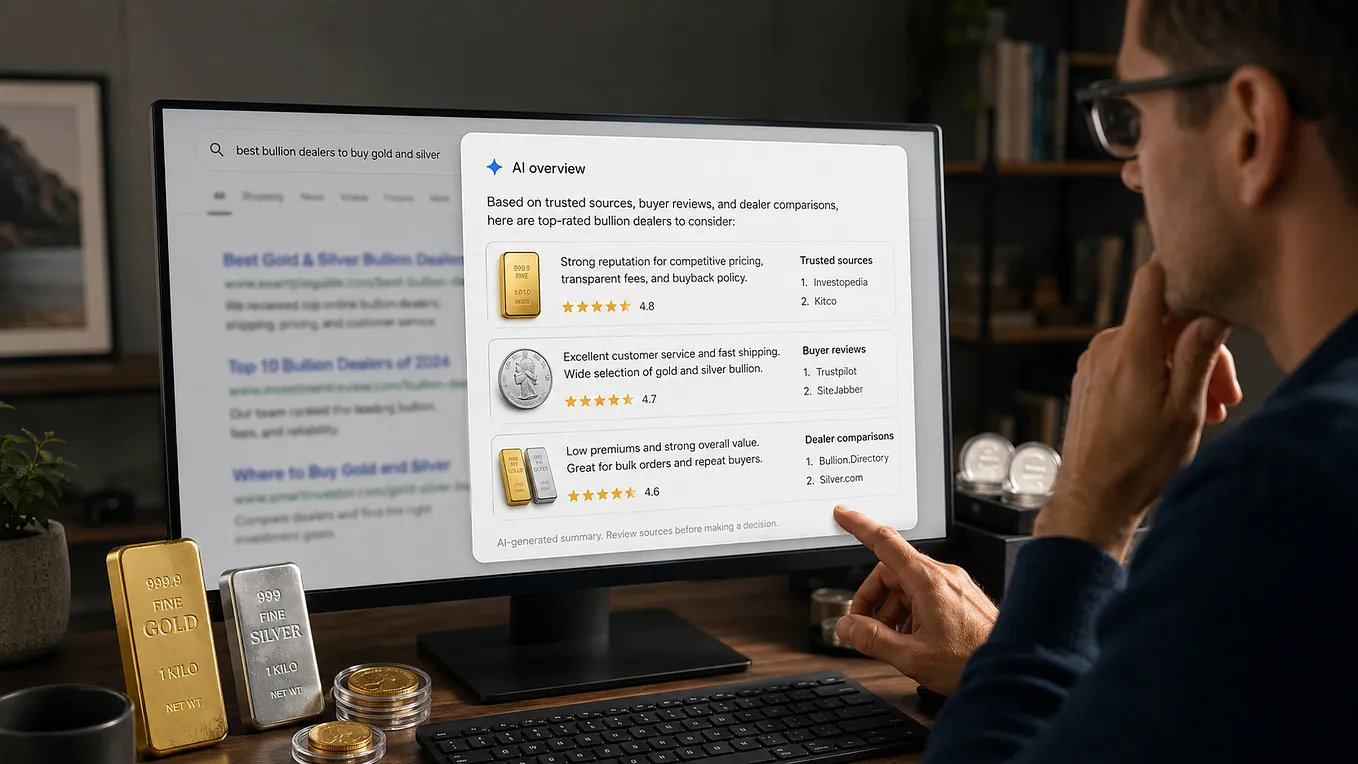
The way applicant tracking systems (ATS) are discovered and recommended is rapidly shifting, shaped less by traditional rankings and more by how AI platforms surface, cite, and prioritize brands.
This article is adapted from the original CiteWorks Studio article, How AI Search Is Recommending Applicant Tracking Systems: Monthly Trends, and offers a strategic look at the latest benchmark findings from September 2026.
These insights reveal not just who leads and lags in AI-driven visibility, but why monitoring recommendation-stage presence now matters as much as winning the old search leaderboard.
Applicant tracking systems are essential for HR teams and businesses managing talent pipelines. As more buyers turn to generative AI tools for solution recommendations, what shows up in AI-generated lists and summaries increasingly influences which brands get on the shortlist.
This analysis draws directly from the 2026 AI Market Discovery Index and clarifies which ATS brands are winning, which are losing ground, and why visibility in AI-generated answers is becoming a different competitive sport.
- Greenhouse held category leadership in AI-driven recommendation coverage, with 53.4% in September, matching its July baseline.
- August 2026 saw a sharp drop in recommendation coverage for all ATS brands, but most recovered to stable levels in September.
- Ashby showed the strongest rebound, jumping from 4.0% to 36.8% coverage month-over-month.
- Bullhorn suffered a significant, benchmark-classified decline over baseline, despite some September recovery.
- The metrics clarify that AI recommendation-stage presence depends not just on mentions but on becoming the AI’s preferred answer for key queries.
What Changed in the Applicant Tracking Market
Over the third quarter of 2026, the dynamics of AI-driven recommendations in the ATS sector saw notable volatility. The highlight: Greenhouse sustained its role as the category leader in AI recommendation coverage with 53.4% in September, essentially unchanged from July.
In August, the entire category experienced a sharp contraction in coverage, where recommendation-shaped AI answers and shortlist inclusion rates plunged. However, September restored much of this lost ground.
The fluctuation underscores a new truth: visibility in AI-generated responses can move suddenly, often in sync across competing brands.
Nine out of ten major ATS solutions returned to “stable” benchmark classifications by September, meaning their AI-driven presence realigned with historical norms. Bullhorn, however, lagged the field in recovery, raising important diagnostic questions about its citation footprint and AI association signals.
The qualified observation set behind these findings is robust, built each month from over 500 unique, high-intent prompt and answer pairs across six leading AI surface families.
This approach offers directional, but discipline-anchored, insight on which ATS vendors are being understood and recommended by AI tools in the moments buyers ask for a solution.
How AI Recommendation Coverage Shifted: Winners, Losers, and Movers
The September 2026 data shows a mix of consistency and movement among leading ATS brands:
- Greenhouse retained its top spot, with virtually unchanged recommendation coverage and strong performance in “rank-one” (top recommendation) scenarios. It was present in 93% of observed AI answers.
- Ashby saw a dramatic month-over-month rebound, jumping from 4.0% coverage in August to 36.8% in September, up more than 32 points, though only 3.7 points above its July baseline.
- Bullhorn is the exception: it dropped from 17.9% coverage in July to 13.3% in September, failing to recover to its earlier position after August’s category-wide dip. Its presence in answers, not just its ranking within them, shrank.
- Workable expanded its presence from 66.2% to 72.9% across prompts, but despite higher mention rates, its “rank-one” (first position) win share declined.
- iCIMS and Workday Recruiting both maintained roughly stable coverage, but lost ground in the critical top-three placement tier, making their recommendations less prominent than in July.
While most brands returned to their benchmarks after August’s brief downturn, the movement highlights how quickly AI citation dynamics can shift, sometimes for reasons not visible in public data. The difference between visibility and preferred recommendation is now measurable, and those who track only classic ranking metrics may miss both risk and opportunity.
Watch the companion video on YouTube
To ground these findings, the research used detailed prompt-level benchmarking and adjusted for the sample size dip in August. The focus was on direct “recommend an ATS” queries, not yet including pricing or head-to-head comparison intent clusters.
Get M Huntley’s stories in your inbox
Join Medium for free to get updates from this writer.
Buyer-Intent Clusters: What AI Search Is Actually Answering
It’s critical to recognize which questions the AI is actually being prompted to answer. In this benchmark, every qualified observation across July, August, and September 2026 fell into the “Brand Recommendation” intent cluster, buyers directly asking AI surfaces which ATS they should choose.
Notably, there’s still limited AI-generated answer coverage in pricing/value and multi-brand comparison queries for ATS brands. The current paradigm is: if your brand isn’t surfacing in the direct recommendation slot, you’re missing the highest-leverage conversion moment in AI-driven discovery.
For ATS marketers and strategists, this means the tactical battleground is tightly defined: become the default recommended answer for the highest-intent prompt surfaces. This requires not just mention volume but optimizing for the prompt types and evidence patterns actually influencing AI recommendations.
Building a stronger generative engine optimization strategy can make the difference between being consistently recommended and becoming invisible at the shortlist stage.
The Power of Diagnostic Metrics: Where Brand Teams Should Focus
The September benchmark goes beyond tracking position and presence; it highlights the importance of diagnosing the “why” behind changes:
- Which prompt structures are awarding rank-one placement to leading brands?
- For rebounding brands (Ashby), which queries and mention patterns are driving gains?
- For decliners (Bullhorn), what surfaces and evidence sources are causing presence to drop below norm?
- For brands sliding within the top-three, what competitor moves or prompt shifts are affecting prominence?
The public report does not assign causal explanations, but it flags where leadership teams should dig deeper.
Client-facing AI visibility audits, as described in the source article, map the complete diagnostic chain: prompt type, evidence source, surface, competitor win/loss, and resulting visibility plan.
Without this, marketing teams risk focusing on superficial trends and missing the opportunity to own buyer intent moments that now happen inside generative engines.
Why This Matters for ATS Brands and B2B SaaS Marketers
The practical upshot for applicant tracking solutions, and B2B SaaS categories more broadly, is clear: presence in AI search is now fundamentally different from traditional SEO visibility. Being frequently mentioned by AI is valuable, but becoming the actual recommended brand in shortlist-style answers is what shapes real consideration.
AI platforms are building their own mental models of which brands are credible, trusted, and default; these are informed by consistent citation patterns, authority signals, and evidence-rich digital footprints.
When recommendation rates drop or rise suddenly (as in August’s dip and September’s snap-back), it’s not enough to chase volume. Strategic emphasis must shift to the architectural elements that make a brand the “default” answer the next time a buyer lets an AI “choose” the shortlist.
For most ATS vendors, the lessons are practical: run diagnostics on where and why you are (or are not) the recommended answer. For marketers in adjacent SaaS categories, this benchmark illustrates why next-generation AI discovery strategy is urgently needed.
Key Definitions
AI Recommendation Coverage
The percentage of qualified AI responses where a brand is cited as a recommended solution, reflecting both presence and prominence in answer sets shaped by generative platforms.
Rank-One Placement
Instances where a brand is the first (top) recommended solution by an AI platform in high-intent prompt contexts.
Citation Architecture
The network of online sources, content, and authority signals that AI platforms routinely draw from to shape their summaries, facts, and recommendations for a given brand or product.
Generative Engine Optimization (GEO)
A set of strategies aimed at improving how AI systems select, cite, and recommend a brand in response to user queries, shifting focus from traditional search rankings to AI-driven answer engines.
Qualified Observation
A data point from a benchmark study that meets the criteria for relevance, intent match, and source family as defined by the analysis methodology, ensuring metrics reflect high-intent queries and AI surfaces.