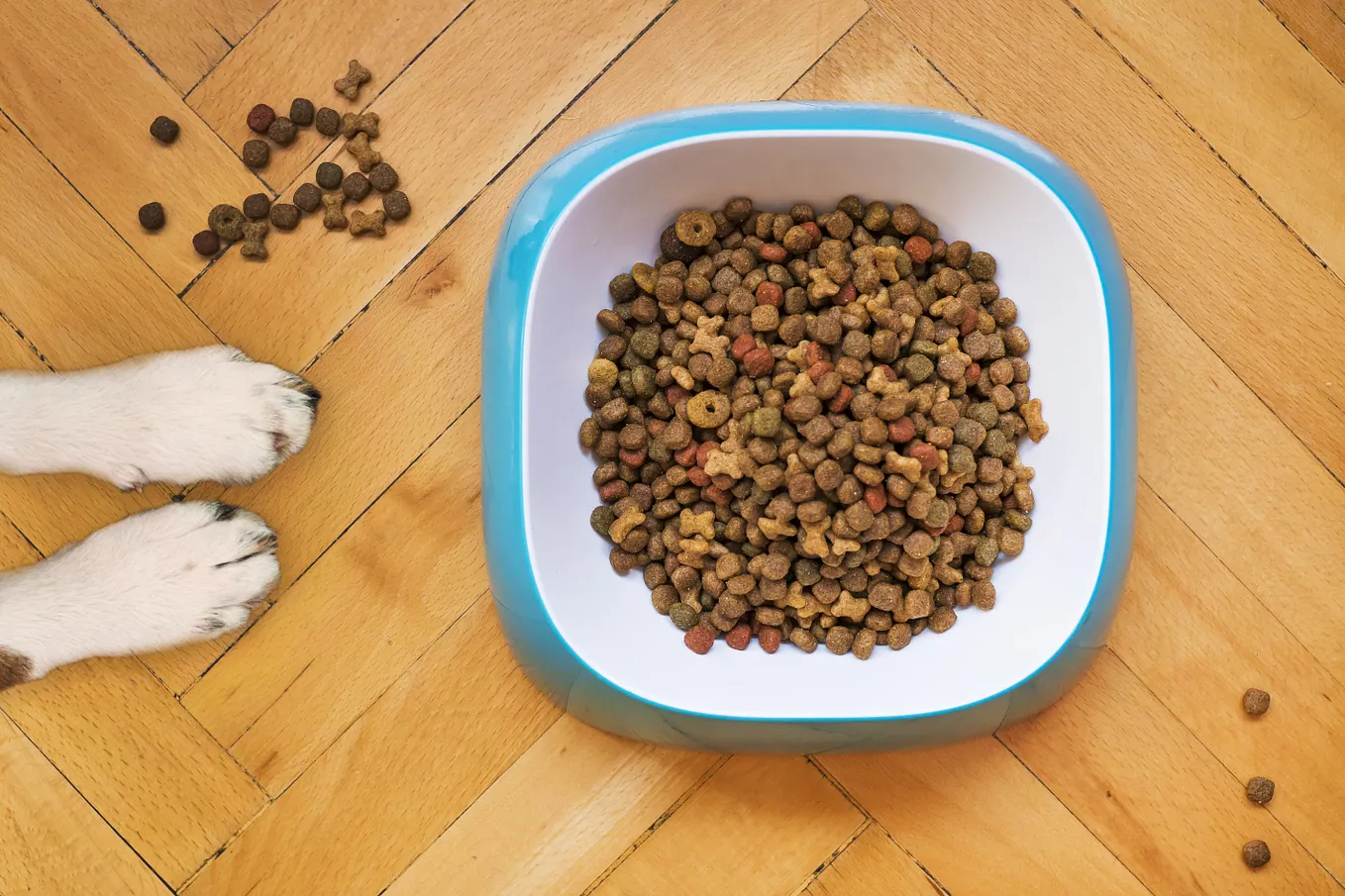
Comparing Different Types Of Dog Feeders: Pros And Cons

If you’re a dog owner, you know that feeding your furry friend is about much more than just filling a bowl with kibble. It’s about keeping them healthy, happy, and well-nourished. With a variety of dog feeders on the market, each offering different benefits, how do you choose the right one?
We are going to take a walk through the number of options available, detailing the pros and cons to help you make a decision that suits both you and your dog. In addition, we will also examine the different types of feeders and their functionalities. This isn’t just about convenience; it’s also about your dog’s health, your lifestyle, and your peace of mind.
Furthermore, we will take a look at the simplicity of gravity feeders, the precision of electronic options, and the engagement provided by interactive feeders. And remember, the best choice is one that resonates with you and aligns with your dog’s needs. So let’s get started with gravity dog feeders, which are your go-to for a straightforward feeding solution.
Gravity Dog Feeders: Simple Yet Effective
Imagine a dog feeder that does the job without any bells and whistles. That’s where gravity feeders come into play. They use the natural force of gravity to ensure that your dog’s bowl is never empty. Let’s take a closer look at how these no-frill feeders work and what makes them a popular choice among pet owners.
At first glance, you’re going to find out that gravity feeders are refreshingly straightforward. They typically consist of a large container that holds the food and a bowl where the food is dispensed. As your dog eats, the food naturally falls from the container into the bowl, maintaining a consistent supply.
One of the upsides is low maintenance. Fill it up, and you’re good to go for several days, depending on the size of the feeder and the appetite of your dog. They’re also cost-effective and reliable without the need for power sources or intricate mechanics.
On the other side of things, these feeders may lead to overeating since they provide a constant supply of food. This can be a significant disadvantage for dogs who are overweight or those with dietary restrictions due to health issues.
If you want to use a gravity feeder, it’s crucial to watch your dog’s eating habits and ensure they’re not consuming too much food. Regular monitoring and adjusting the amount of food you put in the feeder can mitigate some of the downsides.
Get Mark Lucas (Luke)’s stories in your inbox
Join Medium for free to get updates from this writer.
So, gravity feeders make mealtime effortless, but they aren’t flawless. Now, let’s shift gears to a more sophisticated type of feeder. In the next section, we’ll look at electronic dog feeders and how they might offer a solution to some of the challenges posed by gravity feeders.
Electronic Dog Feeders: High-Tech Convenience
If you’re the kind of pet parent who loves gadgets, electronic dog feeders might catch your eye. They’re all about giving you control and convenience. These feeders operate on electricity or batteries and come with a range of features like portion control, voice recording, and even smartphone connectivity.
One of the main attractions of electronic feeders is the ability to precisely manage how much your dog eats and when. If you’ve got a busy schedule or are away from home, these gadgets can be a real lifesaver, ensuring your furry friend is fed on time. Many models let you set multiple meals throughout the day, which is perfect for dogs on strict diets.
However, with all their bells and whistles, electronic feeders come with downsides. The cost can be a deterrent; they are significantly more expensive than simpler feeders. Before you commit to an electronic feeder, consider whether the benefits of high-tech features outweigh the potential technical glitches.
Interactive Dog Feeder … Promotes Mental Excitement
A few models consolidate riddles or games that apportion food as remunerations, invigorating the canine’s mental capacities and forestalling weariness. With the capacity to tweak feast sizes and timetables, screen taking care of propensities, and guarantee consistency in a canine’s eating routine, intelligent feeders advance better dietary patterns and mental excitement for our dearest canine sidekicks.
One of the critical benefits of intelligent canine feeders is their capacity to provide amusement, especially for canines left alone for expanded periods. Canines are normal issue solvers and enjoy the mental exercise, making these feeders a great choice when the dog owner may be away from home. This fulfills their actual appetite as well as satisfies their requirement for mental excitement, adding to their general wellness.
Choosing the Ideal Feeder for Your Furry Friend
Now that we’ve covered a variety of feeding options, you’re poised to make a choice that best fits your dog’s unique needs. Remember, this isn’t just about convenience, it’s also about your dog’s health and happiness.
Choose something that resonates with you and your pet’s lifestyle. Whether it’s the simplicity of gravity feeders, the control provided by electronic feeders, or the enrichment offered by interactive feeders, you now have a number of choices
You can always adjust your approach down the road. If one type doesn’t work out, don’t worry too much about it. Your first attempt doesn’t need to be your last, and observing your dog’s reaction to a new feeding system can be an invaluable guide.
In my opinion, the right dog feeder is one that aligns with your dog’s dietary requirements, your schedule, and your willingness to engage with the technology or interactivity it provides.
I really hope that this article has shed some light on the pros and cons of the different dog feeders available today. If you want to explore more, feel free to ask an expert or a fellow dog owner for their insights. Your dog’s continued health and your peace of mind are well worth the effort.