MDF vs. Plywood Which Material is Right for Your Project?

Choosing Between Medium-Density Fiberboard (M ) and Plywood is often a critical decision when selecting the ideal material for your woodworking or construction project. Both materials have unique characteristics and advantages, and choosing between them can significantly impact your project’s outcome. In this comprehensive guide, we will delve deep into the world of MDF and Plywood, comparing their features, benefits, and best-use scenarios to help you make an informed decision and ensure the success of your project.
What is MDF?
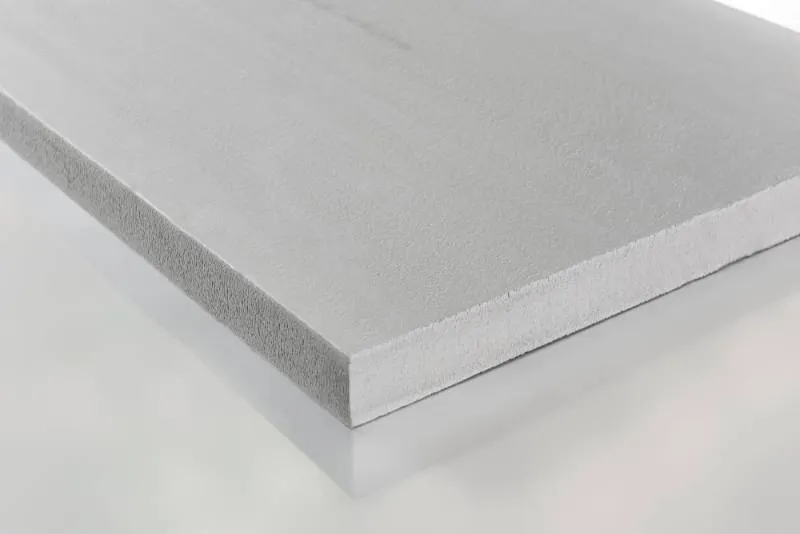
Medium Density Fiberboard, commonly known as MDF, is an engineered wood product that compresses wood fibers, wax, and resin under high pressure and heat. The result is a dense, stable, smooth sheet of wood widely used in various applications, from furniture making to cabinetry and interior finishing.
Advantages of MDF
Smooth Surface: MDF is renowned for its incredibly smooth and uniform surface, making it an excellent choice Why Use MDF Instead of Plywood for projects requiring a flawless finish. Whether painting, veneering, or laminating, MDF provides an ideal canvas.
Consistency: Unlike natural wood, MDF exhibits consistent density and texture throughout the sheet, ensuring uniform cutting and machining.
Affordability: MDF is generally more budget-friendly than plywood, making it an attractive option for cost-conscious projects.
Less Grain: Since MDF doesn’t have a wood grain, it doesn’t splinter or warp, providing stability and ease of use.
Best-Use Scenarios for MDF
Cabinetry: MDF is an excellent choice for cabinet doors, drawer fronts, and other cabinet components due to its smooth finish.
Furniture: MDF is often the preferred choice for crafting furniture that requires intricate detailing.
Interior Trim: MDF’s uniform surface benefits baseboards, crown moldings, and best MDF Suppliers wainscoting projects.
What is Plywood?
Conversely, plywood is made by gluing several thin layers of wood veneer, each oriented perpendicularly to the adjacent one. This cross-grain construction gives plywood its remarkable strength and stability.
Advantages of Plywood
Strength and Durability: Plywood’s layered structure makes it exceptionally strong and resistant to cracking, splitting, or warping. It can withstand heavy loads and is suitable for structural applications.
Versatility: Plywood comes in various grades, with some designed for exterior use, making it suitable for various projects, including outdoor construction.
Get Materialsppler’s stories in your inbox
Join Medium for free to get updates from this writer.
Natural Aesthetics: Plywood retains the natural wood grain and appearance, making it an excellent choice for projects where the wood’s look is essential.
Environmental Considerations: Plywood is often considered more environmentally friendly than MDF, as it uses natural wood veneers.
Best-Use Scenarios for Plywood
Structural Applications: Plywood’s strength makes it ideal for construction projects’ subflooring, roofing, and sheathing.
Exterior Projects: Plywood grades designed for outdoor use are perfect for applications like decking and siding.
Aesthetically-Driven Projects: When the project’s appearance is crucial, plywood’s natural beauty shines through.
Choosing the Right Material for Your Project
Now that we’ve explored the characteristics of MDF and Plywood, how do you decide which one Timber Suppliers is right for your specific project? Here are some key considerations to help you make an informed choice:
Project Requirements
Indoor vs Outdoor: MDF may be suitable for its smooth finish if your project is primarily indoors. For outdoor applications or structural needs, plywood is a better option.
Finish Quality: Are you looking for a flawless, painted finish? MDF excels in this area. Conversely, plywood may be preferred for projects requiring natural wood grain.
Budget Constraints
Cost: Consider your budget carefully. MDF is often more cost-effective, making it an attractive choice for those with limited funds.
Environmental Concerns
Sustainability: If environmental sustainability is a priority, you may prefer plywood, which uses natural wood veneers. However, ensure you choose plywood that has been sustainably sourced to minimize your ecological footprint.
Project Scale
Size and Scope: Larger structural projects often benefit from plywood’s strength and durability. Smaller, detail-oriented projects may favour MDF for its smooth finish.
Conclusion
There is no one-size-fits-all answer in the ongoing debate about DF vs Plywood. Each material has its own strengths and ideal uses. Ultimately, the answer depends best MDF Suppliers on your project’s requirements, budget constraints, and environmental concerns.