The Death of Buttons: Why the Future Is Touchless
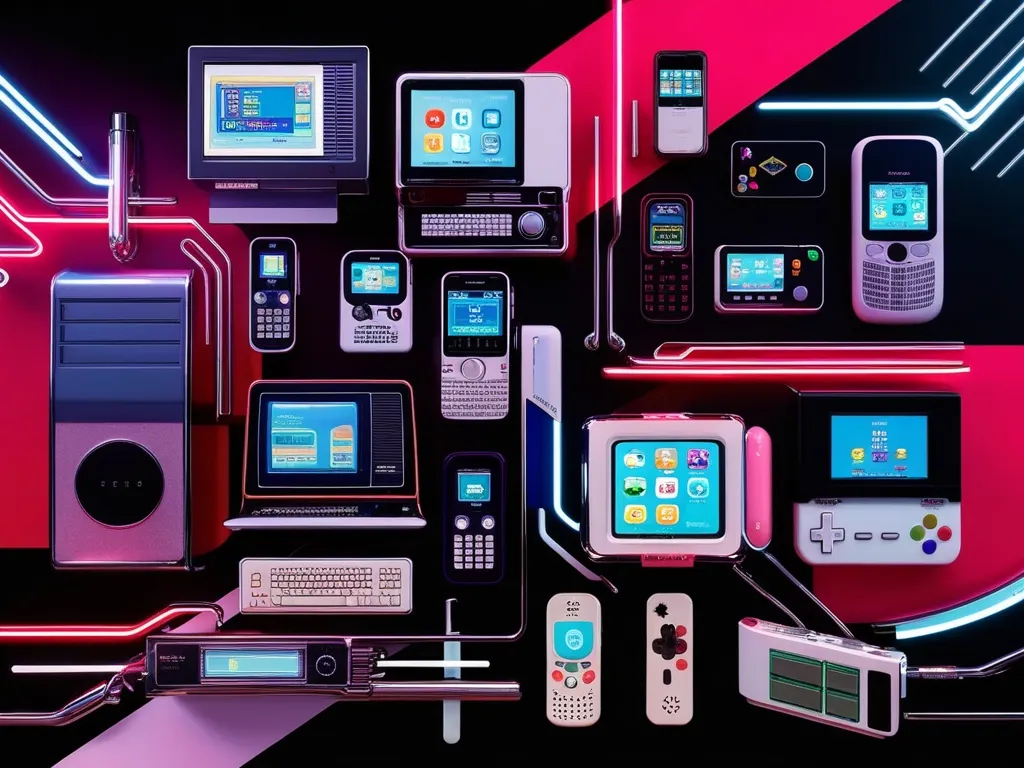
For more than a century, buttons have ruled the interface world. They lived on typewriters, elevators, remote controls, dashboards, and keyboards. They clicked, clacked, and pushed their way into every device we touched. Buttons gave us certainty. You pressed one. Something happened. It was simple and reliable.
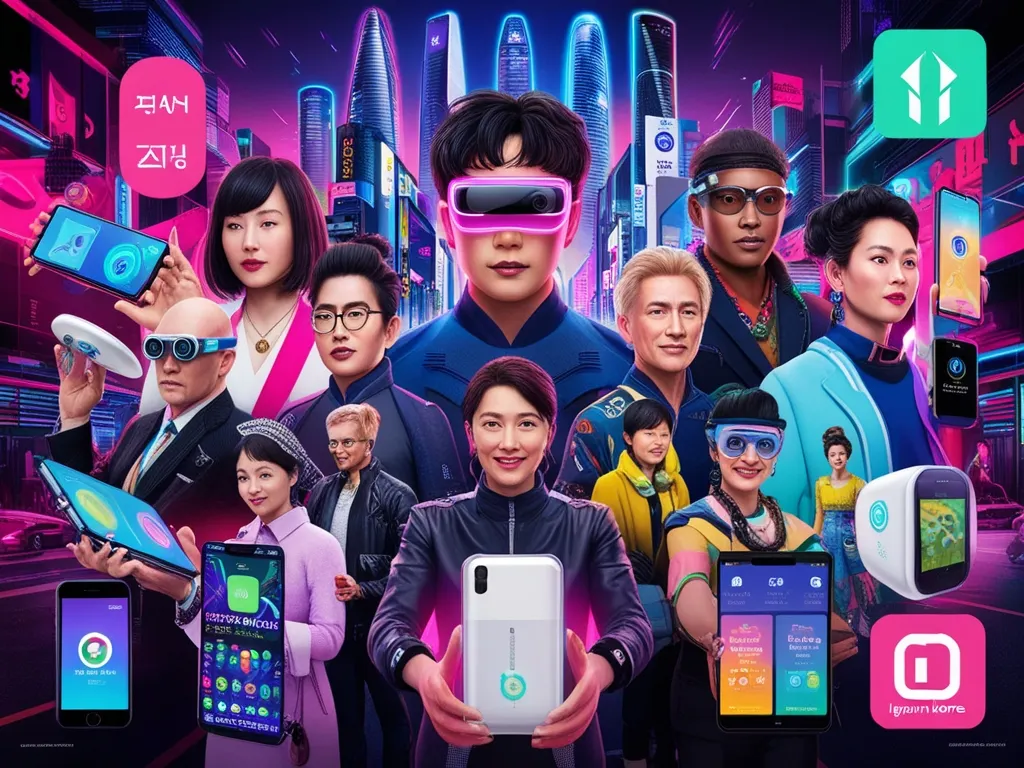
But buttons are losing their throne. Touchless technology is moving fast, and each new breakthrough makes physical controls feel dated. We now wave, blink, glance, swipe the air, and feel invisible forces guide our fingers. The human body is becoming the controller. The environment responds without needing a piece of plastic to mediate the conversation.
This shift is not just about convenience. It is shaping how we communicate with machines and how machines understand us. It affects design, accessibility, safety, and speed. Once you remove the physical barrier, interfaces can dissolve into the background. The result is a cleaner world, a more natural way to interact, and an entirely new frontier for creativity.
THE FUTURE’S NOT WAITING. WHY ARE YOU?
Let’s explore the core forces pushing us toward a buttonless future: gesture control, eye tracking, and haptic feedback. Together they signal not only the decline of buttons, but a reinvention of how humans and technology meet.

The Problem With Buttons
Before understanding the next step, it helps to see why buttons are fading.
Buttons limit design freedom. Each one takes physical space and forces the user to do a specific action that cannot change or adapt. If you need a new feature, you need a new button. If the user’s needs shift, the interface stays stuck in plastic.
Buttons wear out. They get grimy, jam, break, or lose their click. In public spaces like elevators and ticket machines, they become health hazards. During global health scares, people learned how quickly shared surfaces become a risk.
Buttons slow us down. Reaching out and pressing something takes time. If you can interact through a gesture or a glance, you skip steps and stay in motion. This matters in cars, factories, hospitals, and anywhere speed and safety collide.
THE FUTURE’S NOT WAITING. WHY ARE YOU?
Most importantly, buttons are not expressive. Our bodies communicate with nuance. A hand tilt or a look can say more than a tap ever could. As machines grow smarter, they can understand richer signals.
The moment technology learned how to read non contact input, the role of buttons started shrinking. What looked futuristic a decade ago is now seeping into everyday life.
Gesture Control: The Hand Takes Charge
Gesture recognition has grown from a fun party trick on early gaming consoles into a serious tool for interaction. Through cameras, radar, and depth sensors, machines can detect movement with astounding precision. That means you can control devices without touching anything.
THE FUTURE’S NOT WAITING. WHY ARE YOU?
The Rise of Mid Air Interaction
Wave your hand to skip a song. Pinch your fingers to zoom a hologram. Rotate your wrist to change volume. These actions feel intuitive because they mimic movements we already use in the physical world.
Mid air gestures shine in situations where touching something is difficult or dangerous. Surgeons can flip through medical scans while operating without risking contamination. Factory workers wearing gloves can interact with machinery without stopping to remove gear. Drivers can adjust controls while keeping their eyes on the road.
The real promise lies in subtle gestures. Radar based systems can detect micro movements like a finger tap in mid air or a tiny pinch. This transforms interaction into something almost telepathic. You do not need dramatic arm waving. Your natural movements become commands.
Gesture Control Meets Everyday Objects
The next wave will not rely solely on specialized cameras. Surfaces themselves are becoming aware. Walls, desks, mirrors, and appliances can sense motion. They can read the direction of your hand or the distance between your fingers. This allows any surface to morph into a dynamic interface.
THE FUTURE’S NOT WAITING. WHY ARE YOU?
Instead of stacking devices with buttons, designers can hide intelligence under materials. A kitchen backsplash can let you scroll through recipes with a quick swipe in the air. A bathroom mirror can change lighting with a small hand gesture. Furniture can adapt based on your presence.
When gestures become seamless, the interface becomes invisible. That is the key shift. Computers serve you without demanding a formal touch.
Eye Tracking: Control at the Speed of Attention
The eyes are the most powerful communication device the body has. They reveal focus, intention, and direction. When machines learn to read that information, interaction becomes instantaneous.
Eye tracking has existed in labs for years. It was used to study behavior, monitor fatigue, and help people with mobility challenges. Today it is breaking into mainstream devices like VR headsets, glasses, and laptops. The technology is becoming cheap, fast, and accurate enough to understand what you want the moment you look at it.
Gaze as a Command
If you can aim with your eyes, a world of new possibilities opens up.
Look at a button on a screen. Hold your gaze for a moment. It activates. No clicks. No taps. Just intent.
Eye tracking also lets you select text, browse menus, and manipulate virtual objects. Because the eyes move faster than the hands, navigation speeds up dramatically. In high pressure fields like aviation or surgery, shaving off seconds makes a difference.
Hands Free by Design
For people with disabilities, eye tracking is a life changing tool. It allows full control of computers without requiring limb movement. Users can write, browse the internet, and control a smart home environment with nothing but their eyes.
THE FUTURE’S NOT WAITING. WHY ARE YOU?
In workplaces where cleanliness matters, eye based controls eliminate the need for touching surfaces. Medical staff, lab workers, and food industry professionals benefit immediately.
Most importantly, eye tracking reduces cognitive friction. You do not switch between looking and acting. Your focus becomes your action. The interface bends to your attention instead of forcing you into a pattern of reach and responding.
Eye Tracking in Mixed Reality
In AR and VR, eye tracking is essential. When the system knows exactly where you are looking, it can load, sharpen, and present information more efficiently. It saves computing power and makes virtual environments feel natural.
It also lets you interact with virtual objects the same way you interact with objects in the real world. You look at something and reach for it. You look at a menu item and it highlights.
The eyes become the mouse. Your hands become the tools. Buttons become unnecessary.
Haptic Feedback: Feeling Without Touching
Touchless does not mean sensory dead. In fact, haptic feedback is bringing sensation back into interfaces in surprising ways. Instead of needing a physical button to feel a click, you can feel simulated feedback through vibrations, force fields, or ultrasonic waves.
THE FUTURE’S NOT WAITING. WHY ARE YOU?
The Evolution of Haptics
Early haptics were simple phone buzzes or game controller rumbles. Today we have far more nuanced feedback. Phones can mimic the feeling of a button without having one. Gloves can simulate textures and pressure. Air based haptics can project invisible sensations onto the skin.
The goal is to create responses that mimic the physical world. If you can feel a virtual knob as if it has weight, or sense resistance when you push a digital slider, your brain accepts the action as real. This keeps interfaces precise even without physical components.
Mid Air Haptics
The most futuristic version uses focused ultrasound to create tactile sensations in mid air. You move your hand above a flat surface and feel points of pressure guiding your motion. No hardware touches you. Nothing vibrates. Yet your skin feels a tap or a ripple.
Get Shivansh Midha’s stories in your inbox
Join Medium for free to get updates from this writer.
Imagine navigating a menu projected on your windshield. As you hover over an option, you feel a soft pulse confirming your choice. No buttons on the dashboard. No glass screen. Just a sensation in the air.
THE FUTURE’S NOT WAITING. WHY ARE YOU?
Emotional and Sensory Signaling
Haptics can also communicate emotion and urgency. A warning pulse can feel sharp. A confirmation can feel soft. A gentle wave can guide your hand toward the correct direction.
This type of sensory language creates an entirely new way to deliver feedback. It is subtle, quick, and instinctive. When combined with gestures and eye tracking, it forms a powerful trio. You command with your body. The system responds with sensation. No buttons are needed to mediate.
Why Touchless Tech Wins
Touchless interfaces are not replacing buttons just because they look cool. They solve real problems and improve life in measurable ways.
1. They Create Cleaner Environments
During the pandemic era, people became aware of how many shared surfaces they touched daily. Elevators, ATMs, doors, kiosks, and vending machines all require finger contact. A touchless world reduces the spread of germs and cuts down on cleaning costs.
THE FUTURE’S NOT WAITING. WHY ARE YOU?
2. They Improve Accessibility
Gesture and eye control give independence to people with mobility challenges. Haptics offers sensory support for people with limited vision. A buttonless future is more inclusive by design.
3. They Enhance Safety
A surgeon should not have to touch a screen mid operation. A factory worker should not have to remove gloves. A driver should not hunt for physical controls. Touchless solutions allow safer, faster responses.
4. They Make Design Freer and More Beautiful
Without buttons, designers can focus on form and function without clutter. Devices become sleeker. Surfaces become cleaner. Interfaces can hide until needed, creating more elegant spaces.
5. They Enable Faster Interaction
Your hands move slower than your eyes. Your gaze moves slower than your intent. Touchless tech reduces friction at every level. You think. You gesture. The system responds.
6. They Prepare Us for a Blended Physical Digital World
As AR, VR, and mixed reality grow, physical buttons no longer fit the environment. You cannot put a row of buttons on an augmented overlay. You cannot wire a physical switch into a digital hologram. Touchless input aligns with the future we are building.
THE FUTURE’S NOT WAITING. WHY ARE YOU?
Challenges on the Road Ahead
Touchless tech is powerful, but not perfect. There are hurdles.
Accuracy and Reliability
Gesture control can misread movements. Eye tracking can drift. Haptic feedback can feel unnatural. Engineers must refine precision to build trust. The good news is that improvement is rapid.
Overload and Fatigue
If every device responds to gestures and glances, the world becomes noisy. Your own body becomes a constant transmitter. Designers must create systems that understand when you intend to interact and when you do not.
THE FUTURE’S NOT WAITING. WHY ARE YOU?
Privacy Concerns
Devices that track eyes and hands also capture sensitive data. Companies must protect and anonymize it. Strong default privacy settings are essential.
The Learning Curve
People know how to press buttons. They do not all know how to interact with invisible interfaces. Adoption requires thoughtful onboarding and universal gesture standards.
Still, none of these barriers are insurmountable. The direction is clear. Every year, touchless systems become more accurate, more natural, and more affordable.
THE FUTURE’S NOT WAITING. WHY ARE YOU?
The Dawn of Invisible Interfaces
Picture a day in the near future. You enter your home. The lights shift because they recognized your face and saw where you were looking. Your stove displays a floating interface above the surface. You adjust temperature with a pinch gesture and feel a gentle mid air pulse confirming the change.
In your car, dashboards are gone. You control the system by looking at icons on the windshield display. A quick finger motion changes music. Mid air haptics gives each selection a soft click.
At your desk, your laptop has no trackpad. You navigate with your eyes and type with a mix of gestures and voice. The screen reacts to where you focus. Apps fade in and out depending on your attention.
In public spaces, elevators open with facial recognition or a small hand wave. ATMs present floating menus that react to gestures. Ticket kiosks read your gaze and confirm actions with a vibration in the air.
The world becomes responsive without being intrusive. The machine listens without the need for constant physical contact.
Buttons become a relic of a time when technology needed hardware to understand us. Now it understands us directly.
THE FUTURE’S NOT WAITING. WHY ARE YOU?
The Future Belongs to Natural Interaction
The death of buttons is not a loss. It is an evolution. Technology is shifting from rigid, mechanical interfaces to fluid, organic ones that adapt to the human body.
Gesture control gives our hands new expressive power.
Eye tracking turns attention into action.
Haptic feedback brings sensation to the intangible.
Together they create a world where interaction feels natural. The machine listens to your movement, your look, and your intent. It responds with guidance, sensation, and clarity. There is no need for knobs, switches, or keys.
THE FUTURE’S NOT WAITING. WHY ARE YOU?
We are entering a future where you do not operate technology. You interact with it as if it were another part of your environment. The boundary softens. The experience becomes intuitive.
Buttons served us well for a long time, but their era is ending. The future is touchless. The future is human centered. The future is already here, waiting for the rest of the world to catch up.