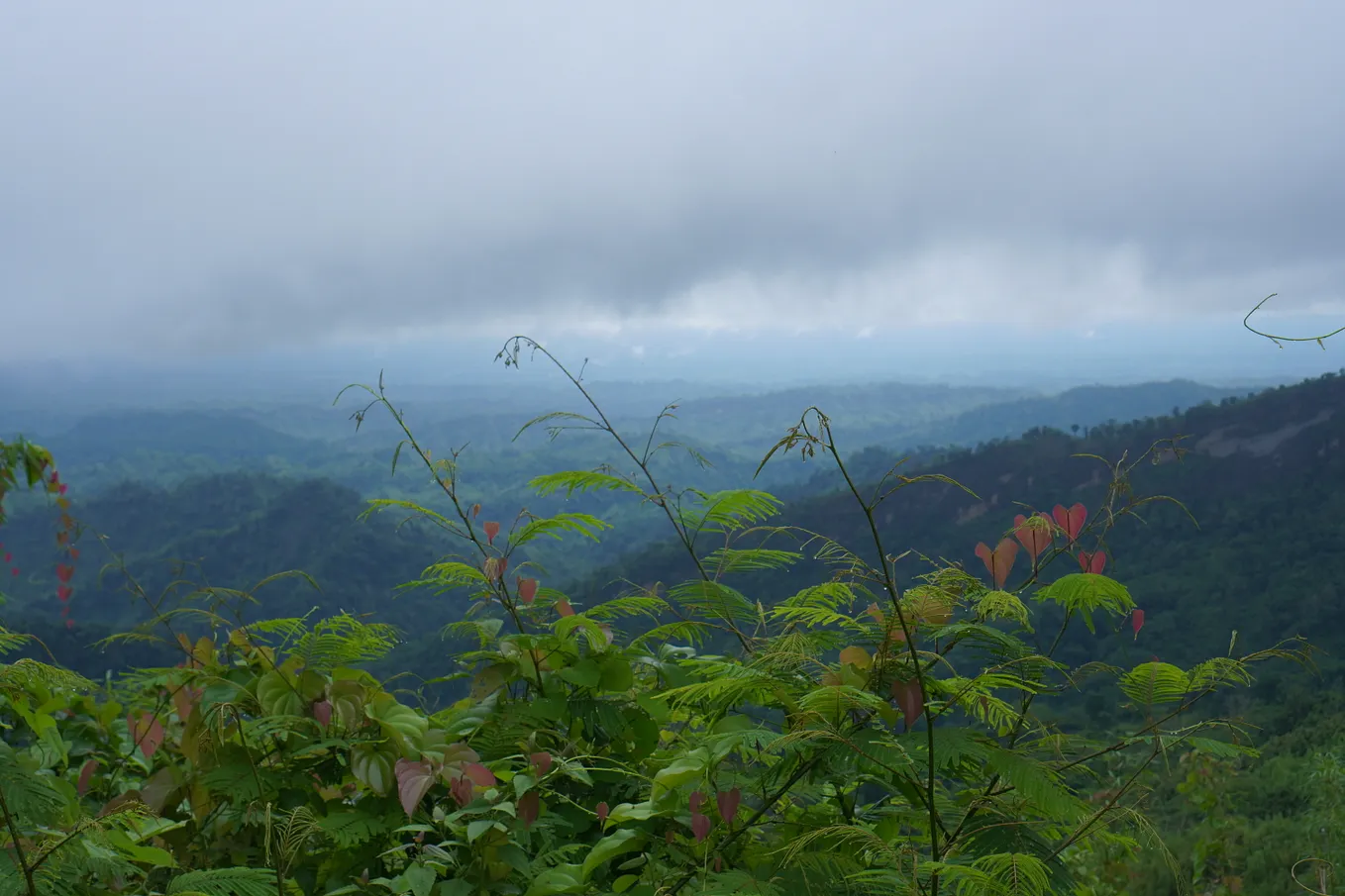
Not Everyone Can Listen to the Forest

Get Minhaj Sunny’s stories in your inbox
Join Medium for free to get updates from this writer.
To explain a life shaped by forests to someone who has never known one is nearly impossible. A life so scattered, untamed, yet intimate carries lessons too strange for ordinary language. There is always more to say, more lying in wait beneath memory. Yet stories have their own wild nature—they branch into other stories, incidents breed more incidents, and somewhere along the way the original current disappears. Much remains unsaid.
Human patience for long stories is fragile. Attention has its own lifespan. Tales of wilderness—its nights, its dangers, its silences—often lose listeners halfway through. Some grow indifferent. Some perform astonishment out of courtesy. The performance is visible; the performer often knows it has been seen. What follows is a small, quiet embarrassment.
Take this, for example:
A year ago, on the eastern side of the Shankha, deep in the forests of Madak, three Sambar deer—a pair and their fawn—were seen drinking water together in the dead of night.
For many, the summary is enough.
But the truth of the forest is never contained in summary. A single scene carries its silence, its tension, its stillness, and its peculiar astonishment—things far greater than the event itself.
Most never reach that layer of feeling. As the story stretches, attention thins. The tale must be shortened, or abandoned midway.
Yet there are exceptions.
There are listeners whose eyes remain fixed, whose attention does not fracture. Their questions carry depth; their curiosity, sincerity. In front of such listeners, a story finds its proper form. It arrives where it was meant to arrive.
In those moments, it becomes clear that some of the most valuable things in life cannot be bought. The experiences of the wild belong among them. Not even the wealth of Uthman ibn Affan could purchase such a taste.
That recognition offers relief.
It lengthens the desire to remain alive.
To tell stories before those who truly listen feels almost like rebirth. Language becomes simple, almost childlike. Gestures grow alive. Hands move, the body leans, words begin stitching images together—attempting to carry another human into that forest.
And yet, to witness is never the same as to hear.
Still, there are times when the listener’s curiosity exceeds the storyteller’s expectation. Such people earn a place in the heart. They do not merely hear the story; they seek the truth buried within it.
Then comes the inevitable question:
Is this vanity?
Look closer, and it appears less like pride and more like the urge to share the weight of an unlived, unspoken life.
Society has long established its own measures of success, and by those measures countless lives stand marked as failures. Such failure often breeds indifference—toward success itself, toward approval, toward the accepted definitions of worth.
The human idea of success often resembles a quiet scandal. Within it, inequality makes its home.
Human beings appear alike, yet endless hierarchies divide them. Had these classifications been as harmless as those of Carl Linnaeus, there would be little objection. But human hierarchies are built on power, wealth, deprivation, and neglect.
That structure grows harsher by the day.
A world arranged around success and inequality is steadily becoming more severe, more mechanical, more distant from the primal truths of being.
Understanding this does not always require scholarship.
It requires honesty.
It requires instinct.
It requires a mind unwilling to surrender itself to flattery.
As human intimacy with technology deepens, the distance from primal instinct, simple feeling, and silence grows wider.
Perhaps that is why not everyone can listen to the forest.
Because the forest is not merely a place.
It is a way of knowing.