Member-only story
Why LLMs Over-Explain

4 min readMay 25, 2026
Large language models often explain too much. You ask a simple question, and the answer is far more detailed than necessary.
The long answers are also not intentional in the way people assume.
To understand it correctly, you have to avoid two mistakes:
- thinking LLMs are “trying to sound smart”
- thinking verbosity is a stylistic preference
Neither is true in a fundamental sense.
Over-explaining is an outcome of how these systems are trained and evaluated.
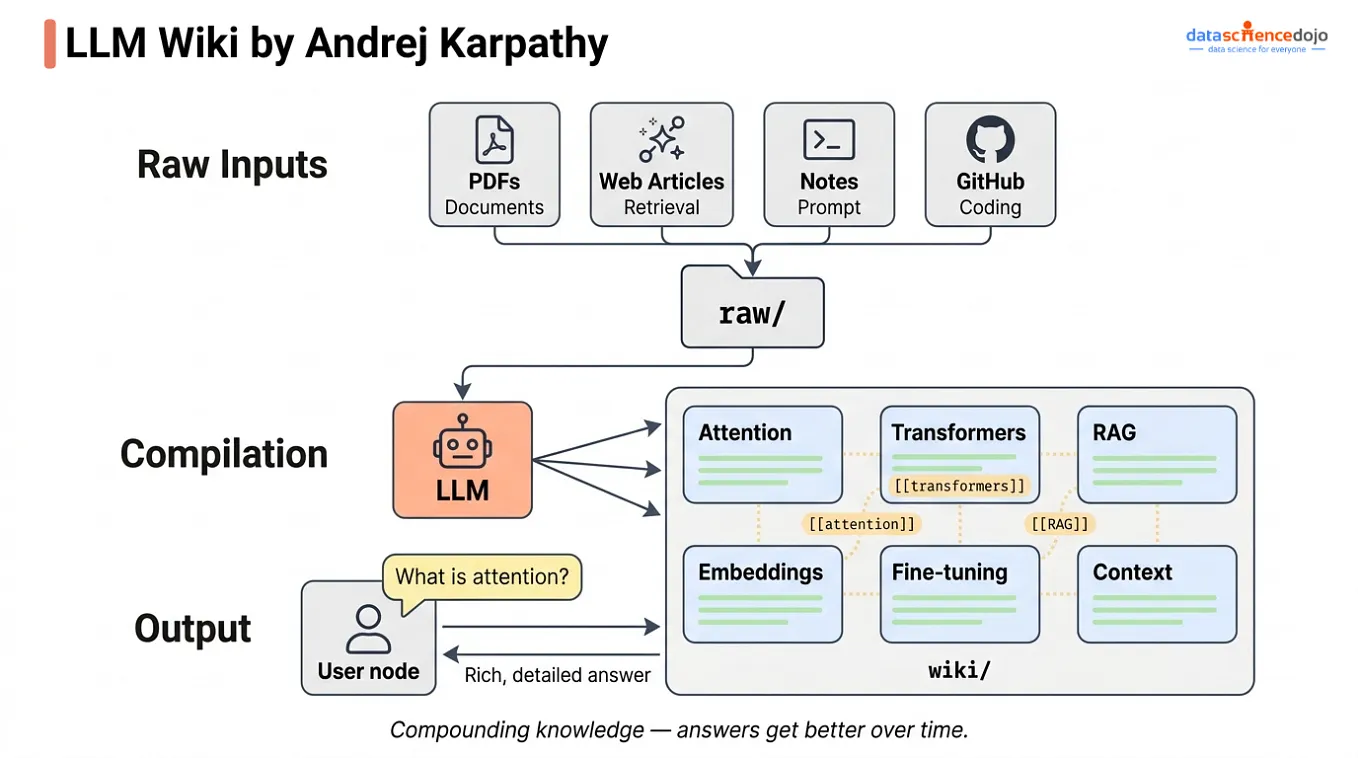
Press enter or click to view image in full size![]()

The Core Reality: The Model Does Not Know the Single Truth
At the center of everything is one constraint:
The model does not access a single verified cause. It generates plausible continuations.
So when you ask a question like:
- “Why did this happen?”
- “What caused this?”
- “How does this work?”
There is rarely one guaranteed correct answer inside the model. Instead, there are multiple competing plausible explanations.
So the system naturally shifts toward:
- covering multiple possibilities
- avoiding over-commitment