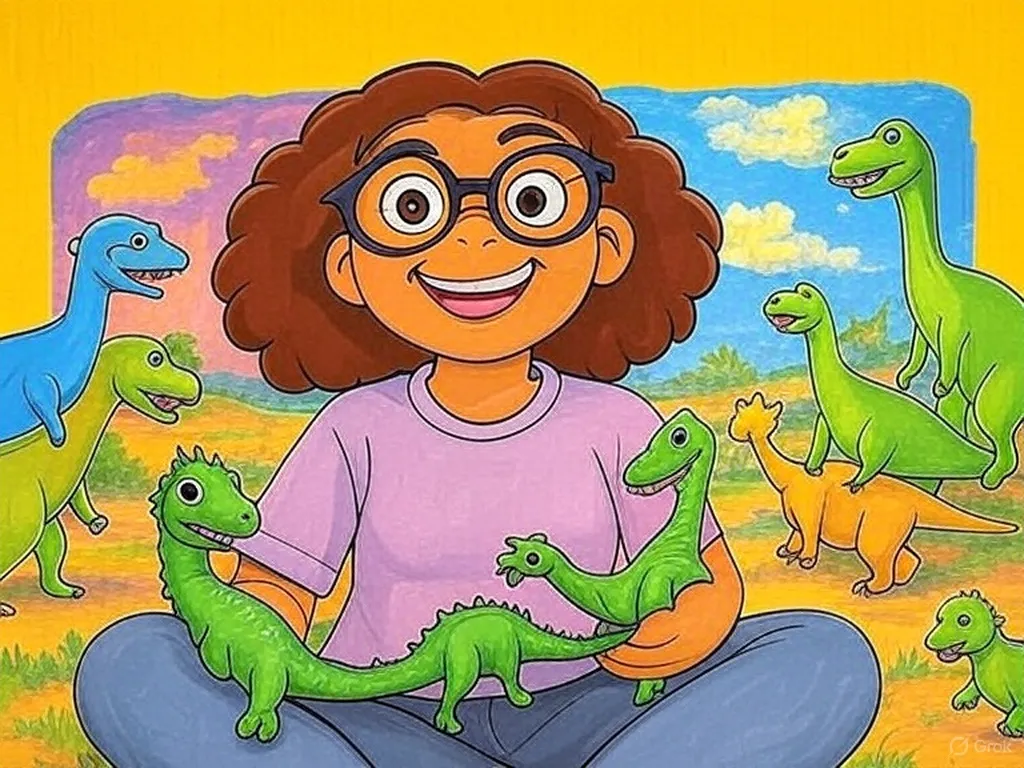
How To Say, I love you and I’m Sorry

- By Hadassah, with help from my mommy.

In a bright little town where all the beautiful flowers bloom,
Lived a sweet little girl with her trusty fur baby too.
Her name was sweet Haddy, just five years old,
With a heart full of love and a story to tell.
By her side was her puppy, Chachita, so small,
A soft, fluffy friend who was there through it all.
Haddy had autism, which made her unique,
Sometimes she felt quiet, or loud with a enormous squeak!
Her words didn’t always come out the way people might understand,
The words in her heart that she just wanted a friend to play.
She’d giggle and wiggle, or screech with delight,
But others might wonder, “Is Haddy all right?”
Sometimes she’d be loud, so loud with joy,
Like a firework bursting, a bright, happy noise!
She’d flap her small hands or spin round and round,
Showing her love with each squeal and each sound.
But lights could be flashy, too bright for her eyes,
And noises, oh my, they could give her a surprise.
A loud honking car or a buzzing old light,
Could make Haddy cover her ears super tight.
At school it was rough, with so much to do,
The rules and the chatter felt hard to get through.
Her teachers would try, but they didn’t quite know,
How Haddy’s big feelings would wiggle and grow.
Making new friends was so tricky, and it made Haddy sad,
She wanted to play, but felt different, not bad.
Her words stayed inside, like a song with no tune,
She’d try to explain, but they’d leave her too soon.
Being nonverbal meant words didn’t flow,
But Haddy had love that she wanted to show.
She’d hug her sweet Chachita, so cuddly and kind,
And feel all the feelings she kept in her mind.
Sometimes her parents felt tired, it’s true,
Haddy’s big energy was a lot to work through.
But oh, how they loved her, their sweet little star,
They’d give her the world, no matter how big or how far.
For Haddy was worth it, their bright shining light,
Her giggles, her screeches, her heart burning bright.
They’d hold her so close when the world felt too much,
And whisper, “We love you, from here to the moon!”
Some days Haddy focused on one special thing,
Like a toy or a book that made her heart sing.
An outing could stretch to five hours or more,
But her parents just smiled, “That’s our Haddy we adore her!”
Sensory stuff could make days feel so long,
A shirt that felt scratchy, a smell that felt wrong.
She’d cover her ears or hide from the light,
Chachita would snuggle to make it all right.
Haddy was shy, but sometimes super bold,
An introvert, extrovert, her heart hot and bold.
Some days she’d hide, some days she’d run free,
Her feelings were big as the wide, wavy sea.
Every kid with autism is different, you see,
Not one is the same, like leaves on a tree.
Some love to be loud, some love to be still,
Each one is special, with their own kind of thrill.
Haddy felt lonely when no one could see,
The love in her heart or the girl she could be.
But Chachita understood, with her soft puppy fur,
She’d lick Haddy’s hand and stay right there with her.
One day at the park, Haddy spun with a grin,
Her screeches were happy, her heart full within.
A girl came up slowly, her smile soft and sweet,
“Hi, Haddy,” she said, “Can I play with your hair?”
Haddy just giggled and flapped both her hands,
Chachita wagged hard, like she had big plans.
The girl didn’t mind that Haddy didn’t speak,
She joined in the spinning, their joy at its peak.
“I’m sorry,” thought Haddy, “if I’m loud or I’m shy,
“I’m having so much fun, a new friend to go down the slide.”
And with Chachita’s help, she found ways to say,
“I love you” with hugs at the end of the day.
So, if you feel different, like Haddy does too,
Know you’re so special and loved through and through.
Your heart has a song, even if it’s not heard,
You’re perfect, you’re precious, with or without words.
The End
* * * * * * * * * * * * * * * * * * * * * * * * * * * * * * * * * * * * * * * * * * * * * * *
Dedication:
To everyone on the autism spectrum, this story is for you — your vibrant hearts, your unique ways of seeing the world, and your incredible strength in navigating a world that doesn’t always understand. Like Haddy, you shine with a light all your own, whether through words, actions, or the quiet beauty of your presence. Your joys, your challenges, and your boundless love are seen and cherished. May you always find your Chachita someone or something to hold you close — and know that you are perfect, just as you are, with a story worth telling and a heart worth celebrating. You are never alone, and your uniqueness is a gift to the world.
With love and admiration,
Hadassah and Chachita


* * * * * * * * * * * * * * * * * * * * * * * * * * * * * * * * * * * * * * * * * * * * * * * * * *
Understanding Autism: A Guide for Parents
Autism spectrum disorder (ASD) is a developmental condition that affects how a person communicates, interacts socially, and processes the world around them. It’s called a “spectrum” because every child with autism is unique, with their own strengths and challenges. For parents, understanding autism can help you support your child whether they’re on the spectrum or interacting with peers who are and foster a more inclusive environment. Below is a list of key points to understand autism, recognize its signs, and talk to your kids about peers with autism, like Haddy from How to Say I’m Sorry and I Love You.
Get Joanna’s stories in your inbox
Join Medium for free to get updates from this writer.
1. What Is Autism?
- Explanation: Autism is a condition that affects brain development, influencing how a child communicates, socializes, and responds to sensory experiences. It’s not a “one-size-fits-all” condition — some children, like Haddy, may be nonverbal and express themselves through actions like flapping or screeching, while others may talk a lot but struggle with social cues. Autism can involve intense interests, sensory sensitivities, and unique ways of seeing the world.
- For Parents of Kids with Autism: Knowing that autism is a spectrum helps you understand your child’s unique needs. Haddy’s loud screeches or focus on one toy for hours are ways she engages with her world, not “bad” behaviors.
- For Parents of Neurotypical Kids: Explain to your child that autism means some kids, like Haddy, experience the world differently. They might not talk but show love through hugs or spins.
- Why It Matters: Understanding autism’s diversity helps parents avoid stereotypes and appreciate their child’s individuality or their peers’ unique traits.
2. Common Signs of Autism in Young Children
- Explanation: Autism signs often appear by age 2 or 3, but they vary widely.
Look for:
- Communication Differences: Limited or no speech (like Haddy’s nonverbal communication), repeating words, or difficulty understanding questions.
- Social Challenges: Trouble making eye contact, playing with others, or responding to their name.
- Repetitive Behaviors: Hand-flapping, spinning, or focusing intensely on one object or activity, like Haddy’s five-hour focus on a toy.
- Sensory Sensitivities: Overreacting or underreacting to noises, lights, or textures, like Haddy covering her ears during loud sounds.
- Emotional Expression: Intense reactions, like Haddy’s screeches when excited, or difficulty expressing feelings.
- For Parents of Kids with Autism: If you notice these signs, consult a pediatrician or specialist for an evaluation. Early support, like speech therapy or sensory tools, can make a big difference.
- For Parents of Neurotypical Kids: Share that these behaviors aren’t “wrong” but are ways some kids communicate or cope. For example, Haddy’s flapping shows she’s happy, not upset.
- Why It Matters: Recognizing signs early can lead to support for kids with autism and help neurotypical kids understand their peers’ actions.
3. Sensory Sensitivities and Autism
- Explanation: Many kids with autism, like Haddy, are sensitive to sensory input — lights, sounds, textures, or smells can feel overwhelming or uncomfortable. For example, a buzzing light might make Haddy cover her ears, or a scratchy shirt might upset her. Some kids seek sensory input, like spinning or jumping, to feel calm.
- For Parents of Kids with Autism: Create a sensory-friendly environment with dim lights, noise-canceling headphones, or soft clothes. Haddy’s puppy, Chachita, helps her feel safe when sensory input is too much.
- For Parents of Neurotypical Kids: Teach your child that a peer covering their ears or hiding isn’t being rude — they’re just managing sensory overload. Encourage patience and quiet play if needed.
- Why It Matters: Understanding sensory needs helps parents support their child’s comfort and teaches other kids to be kind and accommodating.
4. Social Challenges and Making Friends
- Explanation: Kids with autism, like Haddy, often want friends but find social interactions hard. They may not know how to join play, read facial expressions, or take turns. Haddy’s nonverbal nature makes it tricky to say “let’s play,” but her smiles and flaps show she’s interested.
- For Parents of Kids with Autism: Model social skills, like waving or sharing, and celebrate small steps, like Haddy playing with a peer at the park. Social stories or playgroups can help.
- For Parents of Neurotypical Kids: Encourage your child to invite kids like Haddy to play, using simple gestures like offering a toy. Explain that some kids show friendship differently, like Haddy’s hugs.
- Why It Matters: Fostering social inclusion helps kids with autism feel valued and teaches neurotypical kids empathy and patience.
5. Nonverbal Communication and Autism
- Explanation: Some kids with autism, like Haddy, are nonverbal or have limited speech, meaning they express themselves through actions, gestures, or sounds (e.g., screeches or hand-flapping). This doesn’t mean they lack feelings or thoughts — they just communicate differently.
- For Parents of Kids with Autism: Explore tools like picture cards, sign language, or apps to help your child share their needs. Haddy’s bond with Chachita shows how nonverbal kids can connect deeply.
- For Parents of Neurotypical Kids: Teach your child that a peer’s silence or sounds (like Haddy’s screeches) can mean happiness or excitement. Encourage them to smile or wave to connect.
- Why It Matters: Understanding nonverbal communication builds bridges between kids and helps parents support their child’s voice, whatever form it takes.
6. Emotional Expression and Regulation
- Explanation: Kids with autism may struggle to express or manage emotions. Haddy’s screeches when excited or meltdowns when overwhelmed are her way of showing big feelings. These reactions aren’t intentional misbehavior but responses to a world that feels intense.
- For Parents of Kids with Autism: Help your child identify emotions with visual aids or calm-down strategies, like deep breathing or cuddling a pet like Chachita. Celebrate their joy, like Haddy’s spinning.
- For Parents of Neurotypical Kids: Explain that a peer’s loud sounds or tears might mean they’re excited or upset, not naughty. Encourage your child to stay calm and kind during these moments.
- Why It Matters: Supporting emotional expression helps kids with autism feel understood and teaches peers to respond with compassion.
7. The Role of Routines and Intense Interests
- Explanation: Many kids with autism thrive on routines and may focus intensely on specific interests, like Haddy spending hours on one toy. These routines provide comfort, but disruptions can cause distress. Intense interests are a strength, showing passion and focus.
- For Parents of Kids with Autism: Build predictable routines and use your child’s interests (like Haddy’s toys) to engage them in learning or play. Prepare them for changes with warnings or visuals.
- For Parents of Neurotypical Kids: Teach your child that a peer’s focus on one thing, like Haddy’s toy, is their way of enjoying life. Encourage them to show interest in what their friend loves.
- Why It Matters: Respecting routines and interests supports kids with autism and helps peers connect through shared activities.
8. Every Child with Autism Is Unique
- Explanation: No two kids with autism are the same. Haddy is nonverbal and sensory-sensitive, but another child might love loud music or talk a lot about one topic. Autism affects communication, social skills, and behavior differently in each child.
- For Parents of Kids with Autism: Celebrate your child’s unique strengths, like Haddy’s joyful energy, and seek tailored support, such as occupational therapy or speech therapy, to meet their needs.
- For Parents of Neurotypical Kids: Explain that kids with autism, like Haddy, have their own special ways of being. Encourage your child to get to know each friend as an individual.
- Why It Matters: Recognizing individuality prevents assumptions and fosters acceptance for all kids.
9. How to Talk to Your Kids About Autism
- Explanation: Talking to kids about autism in simple, positive terms helps them understand and accept peers like Haddy. Use age-appropriate language, focus on strengths, and model kindness.
- Tips for the Conversation:
- For Toddlers (Ages 2–5): Say, “Some kids, like Haddy, don’t talk but love to play in their own way, like spinning or hugging their puppy. Let’s smile and play with them!” Use stories like Haddy’s book to show examples.
- For Older Kids (Ages 6–10): Explain, “Autism means some kids think and feel differently. They might flap their hands when happy or need quiet time. Be patient and include them in games.”
- Use Positive Language: Say, “Haddy shows love with hugs and screeches,” instead of focusing on what she can’t do.
- Model Inclusion: Show your child how to invite a peer to play, like offering a toy or joining in their spinning, as Haddy’s park friend did.
- Answer Questions Honestly: If your child asks why Haddy screeches, say, “That’s how she shows she’s excited, like how you laugh when you’re happy.”
- For Parents of Kids with Autism: Share your child’s strengths with their peers’ parents (e.g., “Haddy loves spinning and music!”) to encourage playdates and understanding.
- For Parents of Neurotypical Kids: Read books like Haddy’s with your child to spark discussions about differences and kindness.
- Why It Matters: Open conversations build empathy, reduce misunderstandings, and help all kids feel included.
10. Supporting Inclusion and Understanding
- Explanation: Inclusion means helping kids with autism, like Haddy, feel part of the group, whether at school, the park, or playdates. It also means teaching neurotypical kids to value differences.
- For Parents of Kids with Autism: Advocate for your child’s needs at school (e.g., sensory breaks or visual schedules) and share their strengths with teachers and peers. Haddy’s parents might explain her love for spinning to her class.
- For Parents of Neurotypical Kids: Encourage your child to be a friend by being patient and inclusive, like the girl who played with Haddy at the park. Arrange playdates in calm settings to support kids with sensory needs.
- Why It Matters: Inclusion creates a welcoming environment where all kids can thrive and learn from each other.
11. The Role of Parents and Support Systems
- Explanation: Parenting a child with autism can be challenging but rewarding, as Haddy’s parents show by loving her through tough days. Support systems — like therapists, support groups, or pets like Chachita — help families navigate autism.
- For Parents of Kids with Autism: Seek resources like early intervention, occupational therapy, or parent support groups to manage challenges like Haddy’s sensory sensitivities or nonverbal communication. Celebrate your child’s worth, as Haddy’s parents do.
- For Parents of Neurotypical Kids: Support families of kids with autism by offering understanding and flexibility, like inviting Haddy to a quiet playdate or learning about her needs.
- Why It Matters: Strong support systems empower parents and create communities where all kids feel loved and understood.
12. Where to Learn More
- Explanation: Educating yourself about autism helps you support your child and their peers. Below are credible resources (aligned with the book’s references) to deepen your understanding:
- Autism Speaks — Parent’s Guide to Autism (Autism Speaks, n.d.): Offers tips for sensory and communication challenges (https://www.autismspeaks.org/tool-kit/parents-guide-autism).
- CDC — Autism Spectrum Disorder (Centers for Disease Control and Prevention, 2023): Details signs and screening tools (https://www.cdc.gov/ncbddd/autism/index.html).
- National Autism Association — Parent Resources (National Autism Association, n.d.): Advice for sensory and safety needs (https://nationalautismassociation.org/family-support/).
- Sesame Street in Communities — Autism Resources (Sesame Workshop, n.d.): Kid-friendly videos and stories (https://sesamestreetincommunities.org/topics/autism/).
- For All Parents: Explore these resources to learn practical strategies and share them with your child’s school or community to promote understanding.
- Why It Matters: Knowledge empowers parents to advocate for their kids and build inclusive communities.
References:
- Autism Speaks. (n.d.). Parent’s guide to autism. https://www.autismspeaks.org/tool-kit/parents-guide-autism
- Centers for Disease Control and Prevention. (2023). Autism spectrum disorder (ASD). https://www.cdc.gov/ncbddd/autism/index.html
- National Autism Association. (n.d.). Family support. https://nationalautismassociation.org/family-support/
- American Academy of Pediatrics. (n.d.). Autism spectrum disorder. HealthyChildren.org. https://www.healthychildren.org/English/health-issues/conditions/Autism/
- Autism Parenting Magazine. (n.d.). Sensory processing tips for children with autism. https://www.autismparentingmagazine.com/sensory-processing-tips/
- Autism Society. (n.d.). Understanding autism. https://autismsociety.org/understanding-autism/
- Autism Speaks. (n.d.). Parent’s guide to autism. https://www.autismspeaks.org/tool-kit/parents-guide-autism
- Centers for Disease Control and Prevention. (2023). Autism spectrum disorder (ASD). https://www.cdc.gov/ncbddd/autism/index.html
- Child Mind Institute. (n.d.). Autism and nonverbal communication. https://childmind.org/article/autism-and-nonverbal-communication/
- National Autism Association. (n.d.). Family support. https://nationalautismassociation.org/family-support/
- National Institute of Mental Health. (n.d.). Autism spectrum disorder. https://www.nimh.nih.gov/health/topics/autism-spectrum-disorders-asd
- Organization for Autism Research. (n.d.). A parent’s guide to research. https://researchautism.org/resources/a-parents-guide-to-research/
- Sesame Workshop. (n.d.). Autism resources. Sesame Street in Communities. https://sesamestreetincommunities.org/topics/autism/
- The Hanen Centre. (n.d.). Supporting communication in autism. http://www.hanen.org/Helpful-Info/Articles/Autism-Communication.aspx
- Understood. (n.d.). Social skills activities for kids with autism. https://www.understood.org/en/articles/social-skills-activities-for-kids-with-autism