What is so special about neoprene?


Neoprene, also known as polychloroprene rubber (CR), is highly valued for its unique combination of properties that make it suitable for a wide range of applications. Here’s a detailed look at what makes neoprene special:
- Versatility: Neoprene is a versatile material that can be used in various industries, including sports, fashion, automotive, marine, and construction.
- Durability: It is known for its excellent durability and resistance to wear and tear, making it ideal for products that require longevity.
- Waterproof: Neoprene is completely waterproof, making it perfect for applications where water resistance is crucial, such as wetsuits and water sports gear.
- Thermal Stability: Neoprene can withstand a wide range of temperatures, from -50 to 275 degrees Fahrenheit, without melting or hardening.
- Elasticity: The material is highly elastic, allowing it to stretch and return to its original shape without tearing, which is beneficial in applications like sportswear and protective gear.
- Chemical Resistance: Neoprene exhibits resistance to various chemicals, including oils, solvents, and greases, making it suitable for industrial and automotive applications.
- Heat Retention: It has insulating properties that help retain heat, providing thermal comfort in cold environments.
- Formability: Neoprene can be easily molded into different shapes and forms, allowing for a wide range of product designs.
- Self-Extinguishing: The material is self-extinguishing, meaning it will stop burning once the flame source is removed, which is a safety feature for certain applications.
- Low-Temperature Flexibility: Neoprene maintains its flexibility in low-temperature environments, making it suitable for cold-weather gear.
- UV Resistance: It has good resistance to UV radiation, which helps prevent degradation from sunlight exposure, useful in outdoor applications.
- Ozone Resistance: Neoprene resists damage from ozone, which is important for outdoor products that may be exposed to this atmospheric element.
- Sound Dampening: The material has sound-deadening properties, making it useful in applications where noise reduction is necessary.
- Easy to Work With: Neoprene is relatively easy to work with, allowing for various fabrication techniques, such as cutting, sewing, and bonding.
- Cost-Effectiveness: Compared to some other synthetic materials with similar properties, neoprene is often a more affordable option.
- Available in Various Forms: Neoprene can be found in different forms, such as sheets, tubes, sponge, and in various hardness levels, allowing it to be tailored to specific uses.
- Environmental Innovations: Advances in production have led to the development of more eco-friendly neoprene options, such as limestone-based neoprene, which is considered a greener alternative.
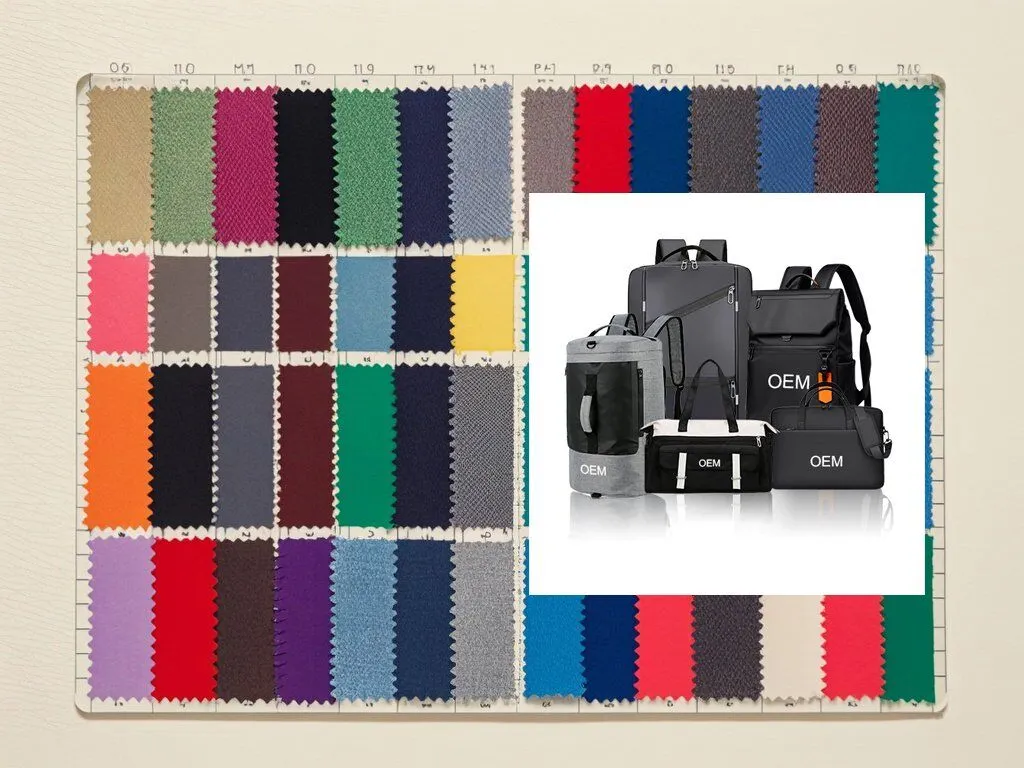
- Customizability: Neoprene can be customized with different colors, textures, and even printed designs, making it suitable for fashion and personal accessories.
In summary, neoprene’s special properties make it a popular choice for a diverse array of applications, from functional gear like wetsuits and protective equipment to fashion items and consumer products. Its combination of durability, resistance to elements, and flexibility, along with its ability to be customized and formed into various shapes, contributes to its widespread use and appeal.
Get Szoneier Bag Manufacturing’s stories in your inbox
Join Medium for free to get updates from this writer.
If you want to know more about Neoprene, please follow us or visit our official website(szoneier.com). If you have any order needs and questions, feel free to leave us a message or send us an email(info@szoneier.com),WhatsApp(WeChat) 8613823134897, Thank you!