Where Smoke Becomes Memory: Photographing Satay in Singapore

A night beside the charcoal grill, where skewers of meat reveal migration, craft, and the quiet rituals that hold a city together.

By the time dusk settles over Singapore, the charcoal has already begun to glow.
At Lau Pa Sat, the air changes first. Office workers spill out from the towers in pressed shirts and tired shoes. Taxi engines idle at the curb. Tables appear on the closed street as if someone has pulled a memory out of storage and laid it gently across the asphalt.
Then the smoke arrives.
It rises from long metal grills in thick, fragrant waves, carrying the scent of turmeric, lemongrass, caramelized fat, and burning bamboo skewers. A satay man stands behind the heat, one hand turning the sticks, the other waving a fan with the rhythm of someone who has done this for decades. The flames flare suddenly, orange and brief, licking the edges of chicken, pork, mutton, and beef.
I lift my camera, but I do not shoot immediately.
With satay, the first lesson is patience.
You wait for the smoke to soften the light. You wait for the fat to drip onto the charcoal. You wait for the vendor’s eyes to narrow just before he flips the skewers. You wait for that small moment when food becomes more than food.
Satay is not just grilled meat on a stick. It is memory held over flame.
In Singapore, satay tells a story of migration, adaptation, craft, and communal life. It carries Malay, Hainanese, Chinese, and regional Southeast Asian influences into one shared ritual. It is eaten at hawker centres, night markets, food streets, family gatherings, and late suppers after long workdays.
It belongs to everyone, yet every stall has its own soul.
The Smoke Before the Story
Before I understood satay as a photographer, I understood it as a smell.
It was the smell that pulled you across a hawker centre even when you had already eaten. It was the smell that settled into your clothes after dinner at Chomp Chomp or Lau Pa Sat. It was the smell of smoke, sugar, spice, and meat fat becoming something almost impossible to resist.
Photographing satay means chasing that smell visually.
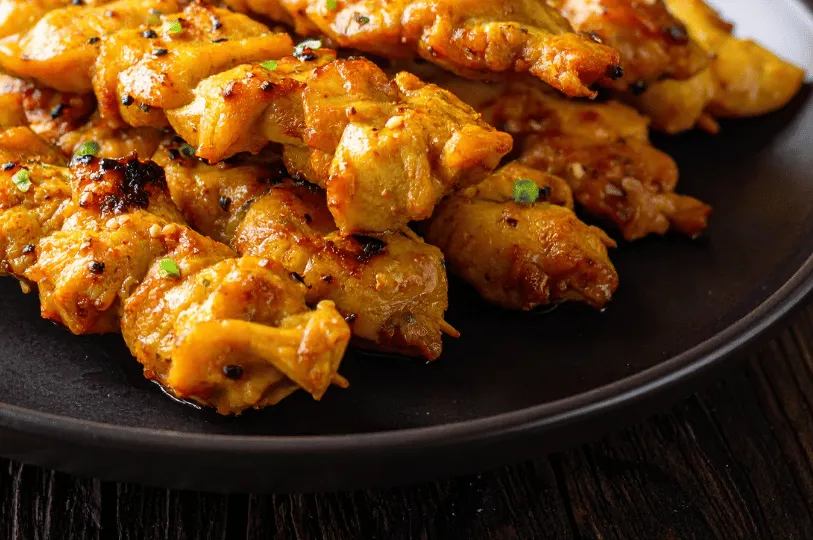
The dish itself looks simple. Small pieces of marinated meat are threaded onto thin wooden skewers, grilled over charcoal, and served with peanut sauce, rice cakes, cucumber, and raw onion. But simplicity can be deceptive. The best satay is built on decisions that are almost invisible to the customer.
How much fat should remain on the pork belly?
How long should the meat sit in the marinade?
How close should the skewers be to the charcoal?
When should the vendor baste, turn, pull back, or let the flame kiss the edges?
These choices do not appear on the menu. They live in the hands.
That is why I often focus my lens less on the finished plate and more on the process. The stained fingers turning skewers. The fan moving in a blur. The smoke wrapping around a vendor’s face. The small bowl of sauce waiting beside the grill. The quiet concentration behind what many people treat as a casual snack.
The real photograph is often not the satay itself, but the person who knows when it is ready.
Malay-Style Satay and the Language of Spice
Malay-style satay is usually where I begin when I want to understand the deeper rhythm of the dish.
Its marinade is aromatic and earthy. Turmeric gives the meat a warm golden color. Coriander, cumin, lemongrass, and sometimes galangal build layers of fragrance. The flavor is savory, slightly sweet, and deeply spiced without losing the natural taste of the meat.
Over charcoal, this marinade transforms.
The edges char. The sugar caramelizes. The spices bloom in the heat. Chicken becomes smoky and tender. Mutton takes on a deeper, more muscular flavor. Beef becomes richer with every turn over the fire.
The peanut sauce matters just as much.
A good Malay-style peanut sauce is thick, grainy, and slightly spicy. It should cling to the meat rather than slide off it. You should taste roasted peanuts, chili, sweetness, and a little salt. The sauce is not a background element. It is the second half of the conversation.
At many hawker centres, this style of satay feels tied to a wider Malay food culture of spice pastes, grilling, and communal eating. It sits comfortably beside nasi lemak, mee siam, and grilled seafood. It reminds us that food in Singapore is rarely isolated. Every dish belongs to a network of shared techniques, borrowed ideas, and family memories.
When I photograph Malay-style satay, I try to capture its heat.
Not only physical heat, but emotional heat. The warmth of gathering around a table. The glow of charcoal. The generosity of a plate meant to be shared by many hands.
Hainanese Satay and the Sweetness of Adaptation
Hainanese-style satay tells a different story.
It is often sweeter, with marinades that lean into soy, hoisin, and a darker caramelized glaze. The meat can carry a deeper lacquered shine after grilling. The peanut sauce is also distinct, often enriched with pineapple puree or grated pineapple, giving it a bright, tangy sweetness.
That pineapple is important.
It cuts through the richness of pork or mutton. It gives the sauce lift. It also speaks to adaptation, to the way migrant communities adjusted flavors according to local tastes and available ingredients.
Stalls like Pang’s Satay reflect this old school Hainanese tradition. At Pang’s in Chinatown Complex, the experience feels especially rooted in place. You sit under fluorescent lights, surrounded by the sounds of trays, chopsticks, and conversation. The satay arrives without drama, but the flavor is generous and nostalgic.
The sweetness of Hainanese satay can be misunderstood if you expect only smoke and spice. It asks for a different kind of attention. The pleasure is in balance. Sweet glaze, charred edges, juicy meat, and pineapple-peanut sauce working together.
As a photographer, I love the visual contrast.
Malay-style satay often glows with turmeric and spice. Hainanese-style satay catches light through its darker, stickier glaze. One feels sun-warmed and aromatic. The other feels burnished, glossy, and quietly indulgent.
Both belong to Singapore.
Get Aaron Ong’s stories in your inbox
Join Medium for free to get updates from this writer.
Both carry history.
The Old School Stall as Archive
Some of the most moving satay experiences happen far from polished dining rooms.
Chai Ho Satay has the feel of old school craft, the kind that does not need to explain itself. Chomp Chomp Satay brings the familiar pleasure of pineapple-infused sauce and charcoal-grilled meat in a lively supper setting. Ah Pui’s Satay carries a legendary name and a sense of continuity. Kwong Satay, known for pork belly skewers, reminds me how much texture matters when fat, flame, and patience meet.
I do not think of these stalls as “recommendations” first.
I think of them as archives.
Each one preserves a slightly different version of satay. A different marinade. A different sauce. A different way of cutting meat. A different tolerance for char. A different memory of what satay should taste like.
In Singapore, where buildings change quickly and food trends move even faster, these small differences matter. They are part of our edible history.
An old satay stall is not only selling dinner. It is protecting a method.
This is why I return to these places with my camera.
I want to document the way the charcoal is arranged before service. The way raw skewers are stacked in metal trays. The way vendors judge doneness by sight, smell, and touch. The way regular customers order without looking at the menu. The way a family reaches toward the same plate, each person dipping a skewer into the same bowl of peanut sauce.
These are not grand gestures.
They are ordinary rituals.
But culture often survives through ordinary rituals.
A Plate Built for Sharing
Satay is rarely eaten alone.
Even when you order it for yourself, the dish seems designed for company. The skewers arrive in bundles. The sauce sits in the middle. The cucumbers and onions wait at the side like punctuation marks. The rice cakes absorb the sauce and smoke. Everyone reaches in.
There is something democratic about satay.
It does not require fine cutlery or formal manners. It belongs to plastic tables, paper plates, open air, and laughter. It fits after work, after school, after a long day, after a family argument, after a movie, after nothing in particular.
At Lau Pa Sat, the scene can feel theatrical, with smoke curling beneath the city skyline. At neighborhood hawker centres, it feels more intimate. A few tables. A familiar stall. A vendor who remembers your order. A child learning to dip the skewer without dropping the meat.
That is the emotional power of satay.
It makes people gather.
It slows the evening down.
It turns a public space into a shared table.
For Medium readers unfamiliar with Singapore, it may help to understand that hawker culture is not just about cheap food. It is about how a dense city makes room for everyday connection. Hawker centres are where office workers, grandparents, students, taxi drivers, tourists, and families sit within arm’s reach of one another.
Satay belongs beautifully to that world because it is communal by nature.
The smoke does not stay with one table. It drifts across the whole room.
What the Flame Leaves Behind
When I review my satay photographs after a shoot, I am often surprised by what stays with me.
Not the sharpest image.
Not the cleanest plate.
Not even the most dramatic flame.
It is usually the quieter frame.
A vendor resting his hand near the grill. A row of skewers just before they are served. A bowl of peanut sauce with streaks along the edge. Smoke drifting through a beam of night light. A customer leaning forward, eyes closed for a second, tasting something remembered.
Satay reveals Singapore through small acts of craft.
It shows how migration becomes flavor. How memory becomes marinade. How fire turns humble ingredients into something people cross town for. How different communities leave traces in sauce, spice, sweetness, and smoke.
The best satay is not only tender or juicy or well-charred, though it should be all those things. It carries the feeling that someone has cared for the process. Someone has stood over heat long enough to understand what the flame can do.
That is what I try to photograph.
Not perfection.
Presence.
The next time you find yourself near a satay grill at night, do not rush your order. Stand close enough to feel the warmth. Watch the vendor turn the skewers. Notice the smoke on your shirt, the shine of the glaze, the roughness of the peanut sauce, the way strangers become neighbors around shared food.
In that moment, you will understand why satay endures.
It is flame and smoke, yes.
But more than that, it is Singapore remembering itself.
Discover the artistry behind Singapore’s morning flavors in this captivating story of kaya toast and kopitiam culture.