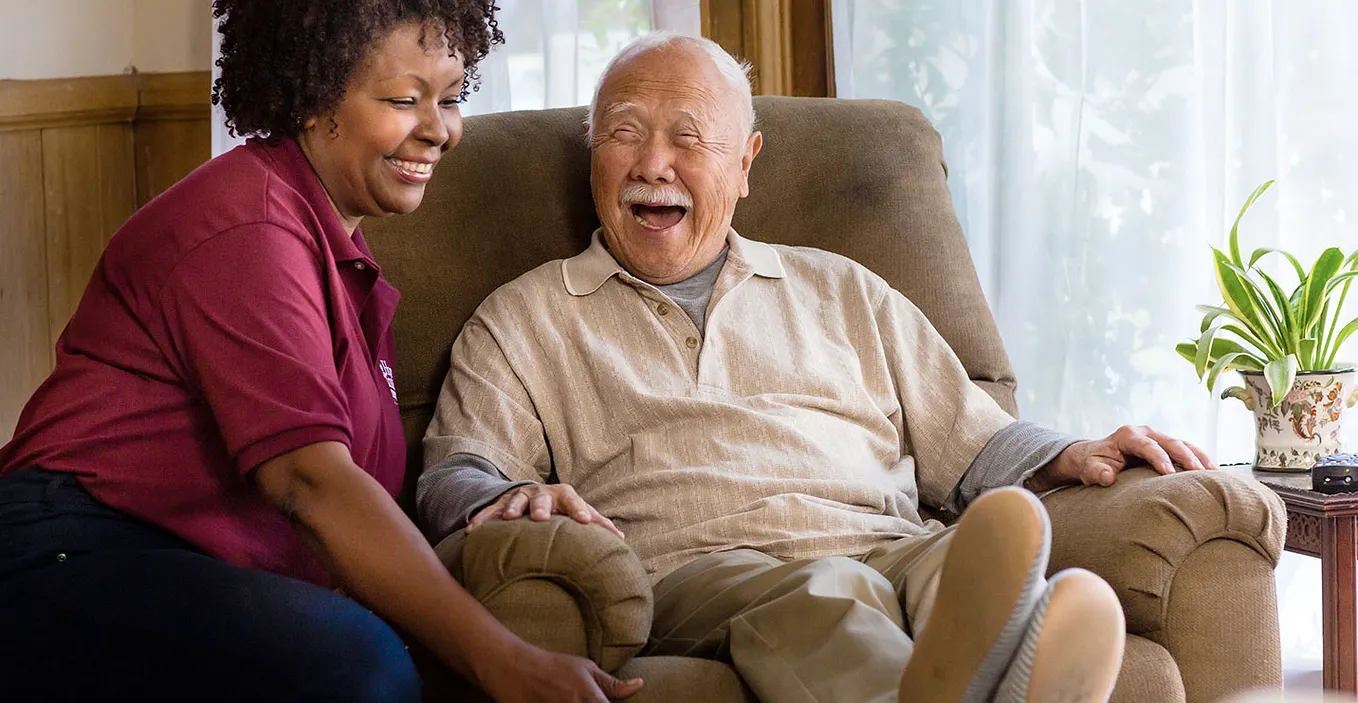
Caregiver Burnout — An Under-Addressed Issue

What is Caregiver Burnout?
A state of physical, emotional and mental exhaustion often accompanied by changes in attitude and moods surrounding caregiving. When caregivers don’t get the help they need or if they try to do more than they are able to, physically or financially; burnout quickly occurs. Many caregivers feel guilty if they spend time on themselves rather than on their ill or elderly loved ones.
Fatigue, stress, anxiety and depression are common experiences for caregivers who are “burned out.”
Symptoms of Caregiver Burnout
Symptoms of caregiver burnout are similar to the symptoms of stress and depression. They include:
- Emotional and physical exhaustion
- Irritability
- Withdrawal from friends, family and other loved ones
- Loss of interest in activities previously enjoyed
- Feeling blue, irritable, hopeless and helpless
- Changes in appetite, weight or both
- Changes in sleep patterns
- Getting sick more often
- Feelings of wanting to hurt yourself or the person for whom you are caring
How to Prevent Caregiver Burnout
- Talk to someone about your feelings and frustrations: a trusted friend, family member, co-worker
Get Onlus Health’s stories in your inbox
Join Medium for free to get updates from this writer.
- Take advantage of the services offered by Public Health Ontario Local Health Integration Network (LHIN) offers home care services accessible to those in need services include (but are not limited to):
- Personal Support Workers (PSW)
- Nursing (RN, RPN)
- Medical (MD, Nurse Practitioner)
- Beyond LHIN services reach out to Onlus Health for quality dignified home health care services by certified Onlus Caregivers
- Local organizations or places of worship may be able to provide support through in personal or online group programs
- Be realistic about the disease process your loved one is going through with a progressive disease process you may need more help as time goes on nursing services or assisted living may be needed
- Take care of yourself set time aside for yourself, even for an hour or two this is not a luxury but a necessity for caregivers
- Stay healthy by eating right, sleeping, and exercising regularly
- Accept your feelings, even the negative ones like anger and frustration it does not mean you are a bad caregiver or person
Resources to help for caregiver burnout
- Home health services: Onlus Health can help provide PSW and nursing aids for short or long-term care for your acute or chronically ill loved one
- Adult daycare: programs are offered to seniors and older adults to socialize, engage in a variety of activities and receive needed medical care and other services
- Caregiver support groups: support services and groups can help caregivers meet other wish similar issues and locate additional resources
References
- Family Caregiver Alliance. Fact sheet & Publications, Caregiving and Depression
- Caregiving.org. Caregiver journey map.
- Leukemia and Lymphoma Society. Caregiver Worksheets.
- Caringbridge.org 14 Life-changing Tips for Relieving Caregiving Stress.