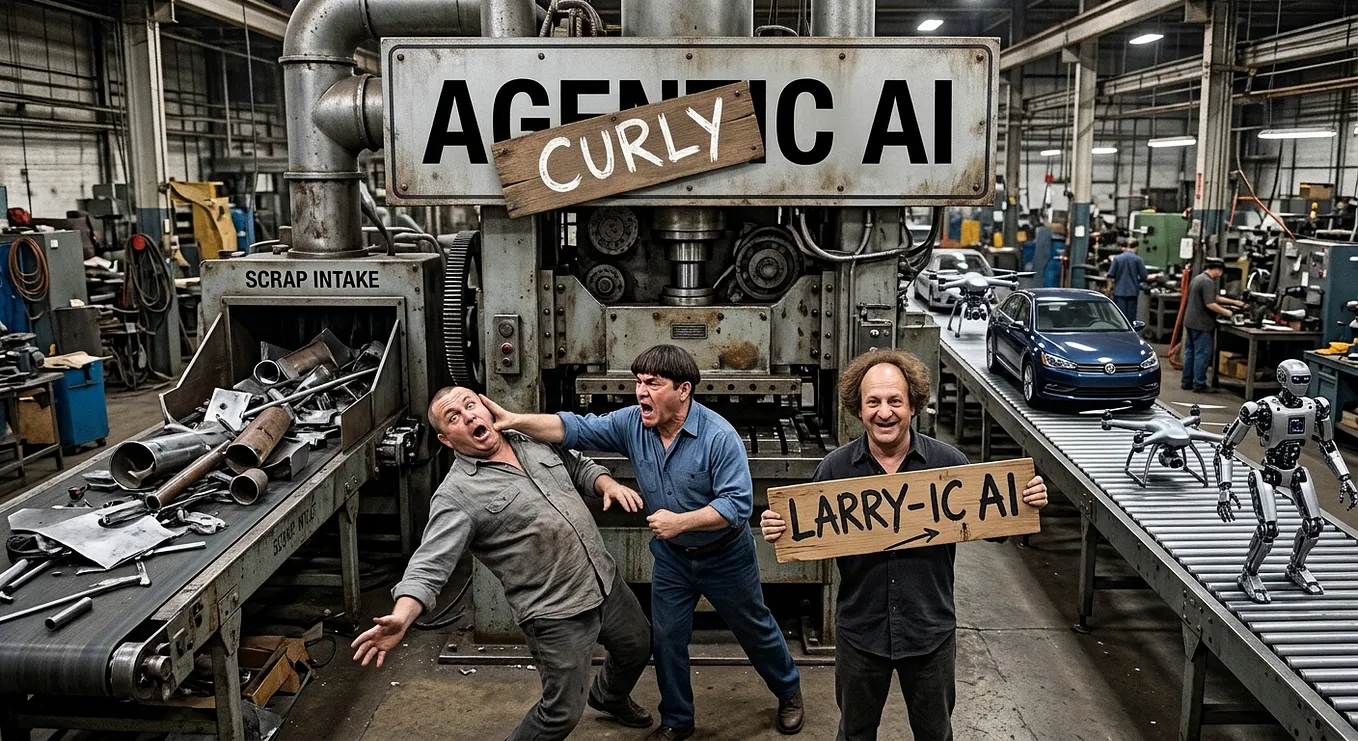
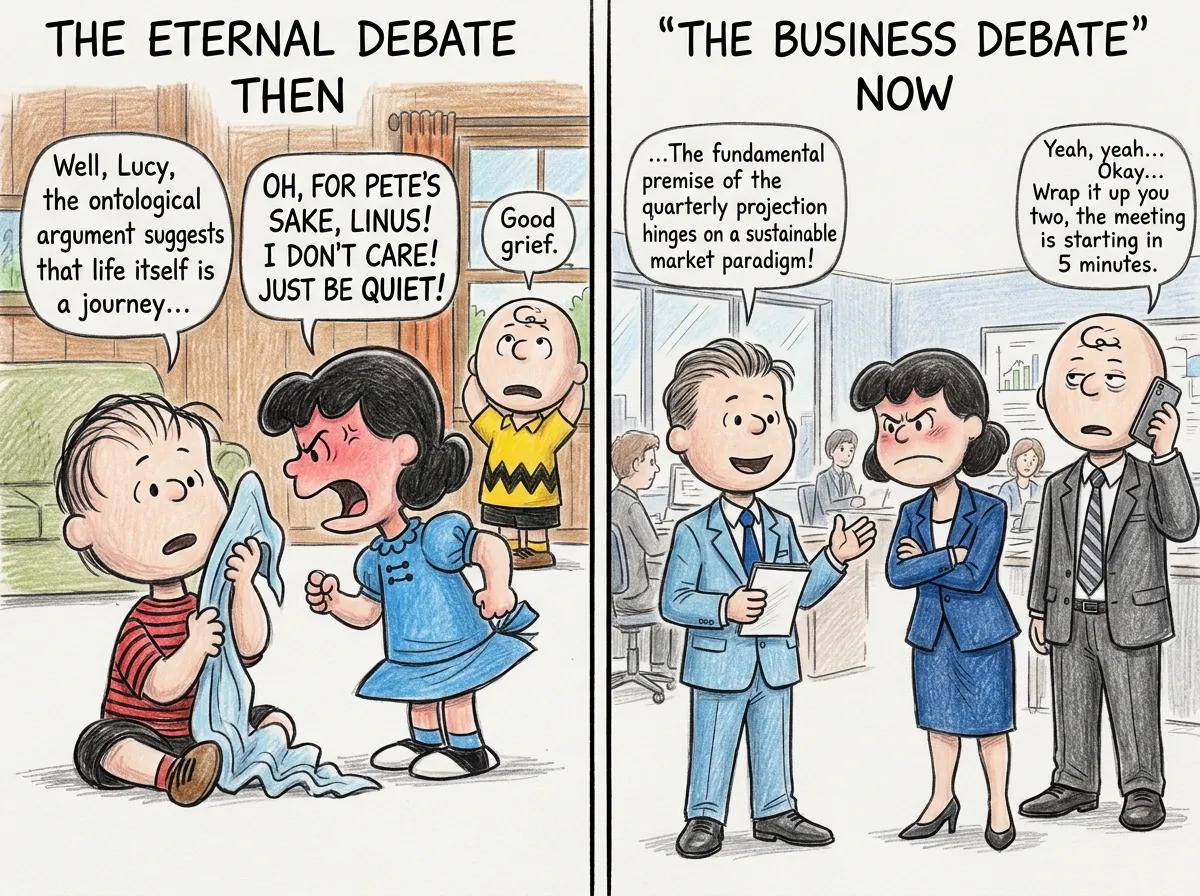
AI will destroy you all. Stop. Don’t look behind the curtain!

⚙️ Re-engineering 𝐬𝐩𝐞𝐜𝐢𝐚𝐥𝐢𝐳𝐚𝐭𝐢𝐨𝐧 to scale your organization.
Are you getting your feed flooded with doomsday articles about AI?
I sure am. And I’m also hearing those disaster scenarios repeated by my learners and my clients.
Am I concerned about the harms from AI? Yes, yes I am. Do I want AI to be regulated? No, I definitely do not.
Not now, anyway.
Why?
Because I’m willing to bet money that AI-specific regulations won’t do a damn thing. Other things need to happen first to wrangle the root problems. Right now, I’m convinced that AI companies want regulations so they have a shield to reduce their corporate liability. Then they can say, “We checked off all the boxes, so we’re not liable.”

AI is dumb as a brick. And it compensates for that by being fast and having strategies for trying something different. It does this through black boxes that even experts confess they don’t know what will come out of them. How do you lock down something that acts like a random-number generator?
The potential harms, if they weren’t coming from AI, would eventually be coming from some other technology. Why? Because these harms are coming from the limits of specialization.
Get Chris Pehura’s stories in your inbox
Join Medium for free to get updates from this writer.
Specialization has its benefits. You pay people more to focus on something narrower and more specific, so they become highly efficient at it. Costs go down with deeper specialization. Sounds good, doesn’t it? Pay someone more to reduce costs.
But there’s a limit.
There’s a floor where, if you specialize further, costs start rising, and you can argue exponentially. You know why costs rise? Because the more you specialize, the more 𝐜𝐡𝐢𝐧𝐤𝐬 𝐲𝐨𝐮 𝐜𝐫𝐞𝐚𝐭𝐞 𝐢𝐧 𝐭𝐡𝐞 𝐚𝐫𝐦𝐨𝐫: more handoffs, mistakes, vulnerabilities, errors, surprises, and so on.
This is well recognized in system design, engineering, and the assembly line.
Have you seen how specialized the teams in AI companies are that produce their solutions? How many years of experience do some of them have under their belt with business solutions, engineering, or even automation?
Many are rediscovering lessons older than they are.
I’m concerned about the level of harm that AI can commit. I don’t see AI being sentient as a real issue. And even if it was, I’m still much more terrified by the kind of teams and their dynamics that contribute to AI solutions.
Only when those challenges of specialization are addressed will regulations make a lot more sense.
💡 𝐒𝐩𝐞𝐜𝐢𝐚𝐥𝐢𝐳𝐚𝐭𝐢𝐨𝐧 𝐡𝐚𝐬 𝐚 𝐟𝐥𝐨𝐨𝐫. There is a point where specialization will cause more harm than good.
⚠️ 𝐇𝐚𝐯𝐞 𝐬𝐩𝐞𝐜𝐢𝐚𝐥𝐢𝐬𝐭𝐬 𝐜𝐨𝐧𝐭𝐫𝐢𝐛𝐮𝐭𝐞 𝐬𝐩𝐚𝐫𝐢𝐧𝐠𝐥𝐲. Their solutions often require further specialists to support them.
❗ 𝐘𝐨𝐮 𝐝𝐨𝐧’𝐭 𝐧𝐞𝐞𝐝 𝐭𝐨 𝐀𝐈 𝐞𝐯𝐞𝐫𝐲𝐭𝐡𝐢𝐧𝐠. Stop. Take a breath. Then ask yourself: 𝐖𝐡𝐚𝐭 𝐝𝐨 𝐈 𝐥𝐨𝐬𝐞 𝐰𝐡𝐞𝐧 𝐈 𝐚𝐮𝐭𝐨𝐦𝐚𝐭𝐞?