How I Take iPhone Photos That Actually Sell on Shutterstock

Simple habits that turned occasional uploads into a steady trickle of income.

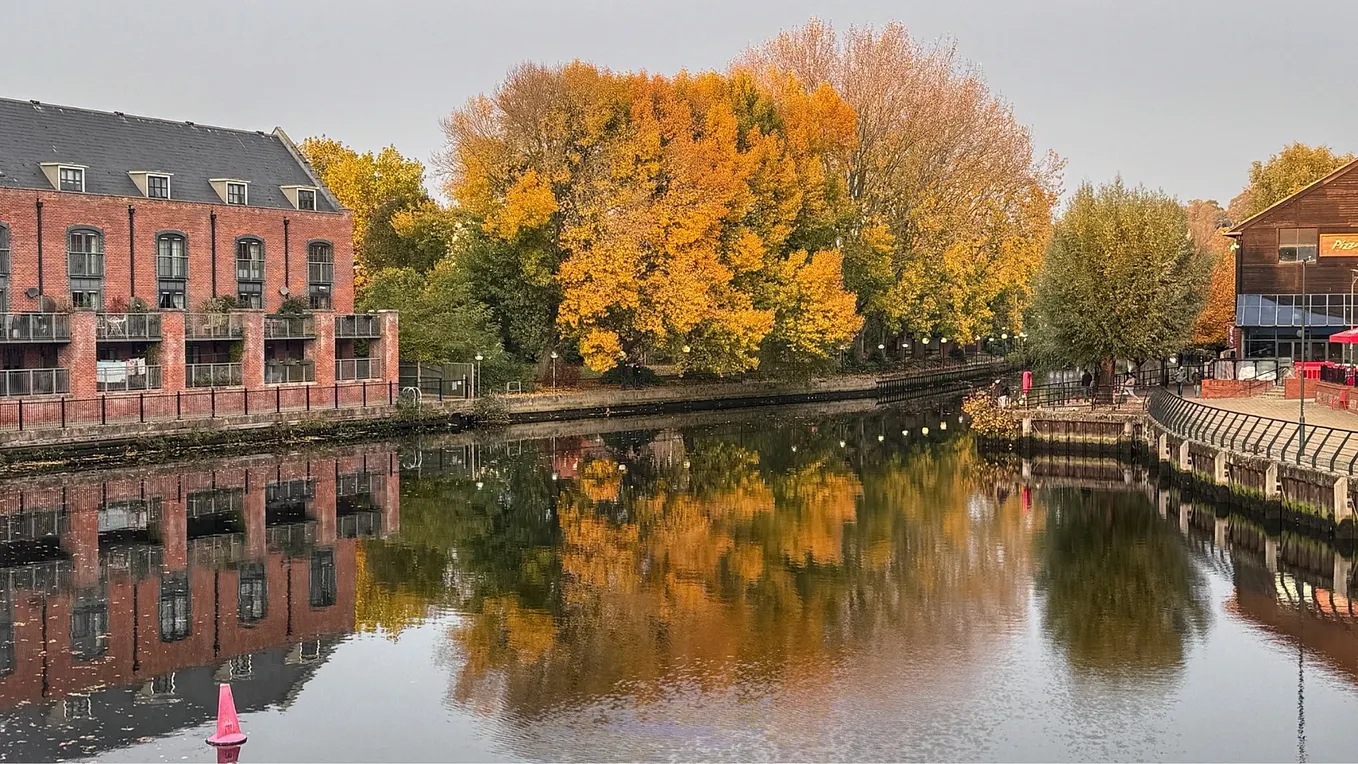
Photo by MyriadLifePhoto (My Shutterstock Account)
It wasn’t until my iPhone went for a swim in the River Wensum that I upgraded to the 15 Pro Max.
Obviously, this wasn’t planned – but it changed how I approached photography, and how I started earning from it.
In a canoe, I always put my phone in a waterproof case. On an electric boat, for some reason, I thought it would be safer.
It wasn’t.
While filming, my hand hit the windscreen and sent the phone flying into the murky depths. As if in a nightmare, I stared at my empty hand, trying to process what had just happened.
My boyfriend offered to jump in after it, but it wasn’t worth risking his safety for a phone that wouldn’t have worked anyway.
The Habit That Changed Everything
Before getting the replacement iPhone, I had been uploading to Shutterstock in a very half-hearted way. A batch here and there – whenever I remembered. That could mean gaps of weeks, months, even a year.
Once I realised what the new iPhone camera was capable of, I made a simple decision:
I would upload every week. No excuses.
The phone is always with me. I can shoot, edit, and upload directly from it. It couldn’t be easier.
Consistency became the difference.
What Actually Sells on Shutterstock
If you want to maximise earnings, commercially viable images will always outperform editorial ones.
That means:
• product photography
• lifestyle shots with models (and releases)
• architecture (with correct permissions)
• food photography
Take a look at what’s trending on the site for clues as to what is currently hot.

Screenshot from Shutterstock at Time of Writing
This isn’t the route I’ve taken.
Instead, I focus on editorial-style images because they fit around everything else I’m doing – and I don’t usually need to worry about releases.
My uploads tend to include:
• local landscapes
• coastline shots
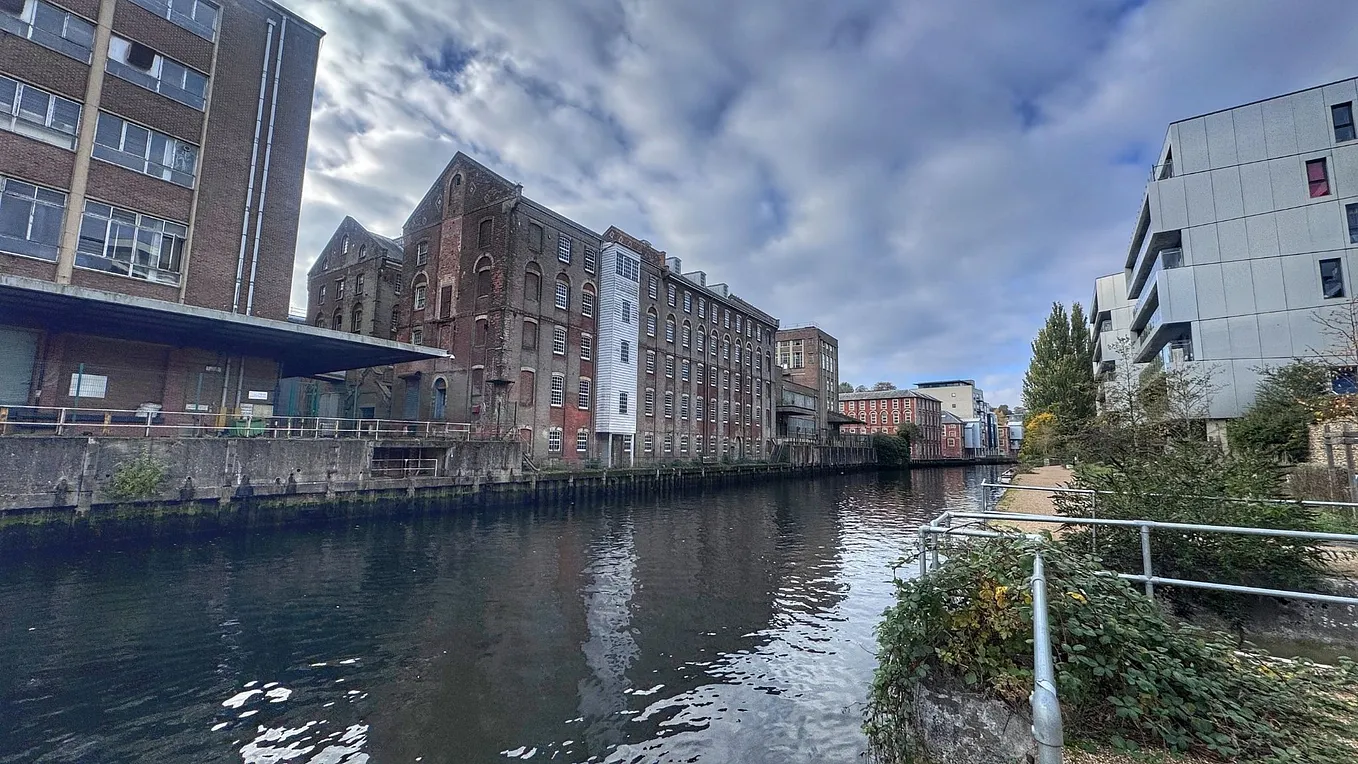
• city scenes
• the occasional street photograph
They’re simple, but they’re usable and saleable.
And that’s what matters.
My Approach (Real Examples)
When I take photos now, I’m not just thinking about what looks nice, as I do with selling prints.
I’m thinking:
• Could a travel magazine use this?
• Would a local newspaper need this image?
• Could an estate agent use this for a listing?
That shift in thinking changed everything.
Get Petra Kidd’s stories in your inbox
Join Medium for free to get updates from this writer.
In fact, a local property agent once contacted me directly after seeing a photo I’d taken of a restaurant she had secured the building for. She wanted to use it on her website.

Photo by MyriadLifePhoto
That’s when it really clicked.
How Much Can You Expect?
After a long break from uploading, I logged back into Shutterstock and found I had accumulated around $85.
Not life-changing – but a pleasant surprise.
And it made me think: What if I’d been consistent?
This will never replace a full-time income – but it is a simple way to build something extra.
I don’t upload every day.
Sometimes I’ll upload 5 or 6 images in a batch. Other times, just 1 or 2.
Often, I’ll do it just before bed. This way it fits around life easily.
And over time, it builds.
Why This Works
The key is quality. Volume helps, but it’s quality that wins.
The more quality images you upload, the greater your chances of them being seen and earning.
You don’t need to be a professional photographer. You don’t need years of training.
What you do need:
• a good eye for composition
• an understanding of what people might need
• consistency
• basic editorial ability
Study and follow the Shutterstock (or stockphoto site of your choice) guidelines.
That’s it.
Be patient. You may not sell straight away, but with quality, good subject choices, and consistency, sales will follow.
There are no guarantees – but it’s a great way to improve your photography and earn a little extra income.
A Small Extra Most People Ignore
There’s another small income stream many people overlook:
Shutterstock affiliate links.
If you share your images or portfolio and someone signs up or purchases through your link, you earn a small amount.
Just a few cents – but it adds up over time, like interest on savings.
Simplicity Pays
There are many stock platforms out there. I chose to focus on one.
Spreading yourself too thin can slow you down.
I previously used EyeEm (now part of Freepik), and I migrated my images across. I’ll report back once I’ve had time to assess how that performs.
The Final Click
The difference isn’t the camera.
You don’t need a DSLR to make money from your photos anymore.
The difference is the portability of your camera. Most people carry their phone – and therefore a camera – with them everywhere.
Once you start thinking about your photos as something that can be used – not just admired – you begin to approach them differently.
And that’s when they start to work for you.
What’s Next
In my next article, I’ll show you how to make basic edits on your iPhone – and share which images consistently sell on Shutterstock.
If you found this helpful and want to give it a go, you can explore Shutterstock here: MyriadLifePhoto