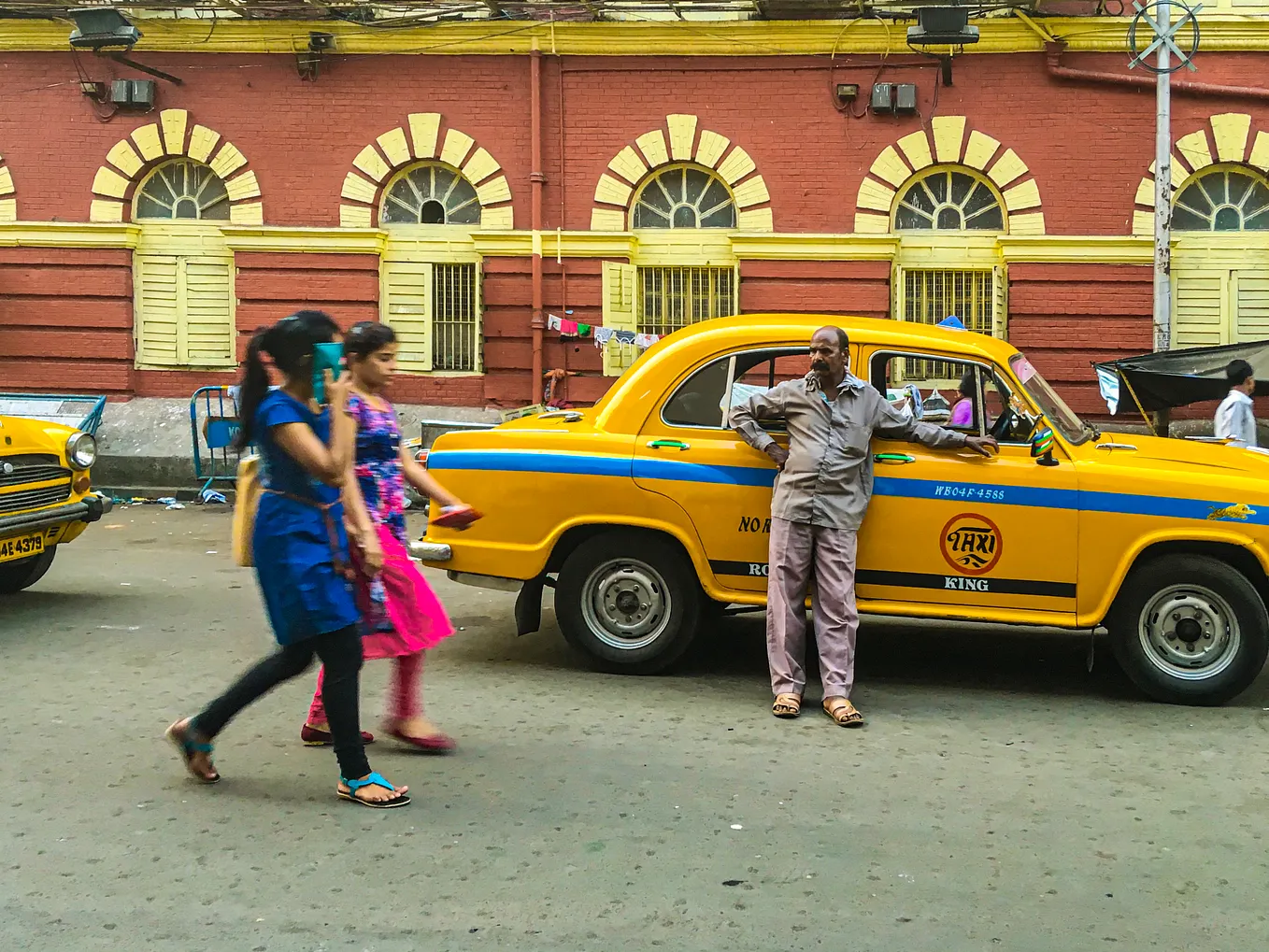
Original Image (Oi): An Idea Developed Through Observation

A Photo4Life AU case study in observation, client communication and thinking beyond image delivery

Over the years, I have watched the way organisations use photographs and visual materials change quite a lot. Today, websites, social media, reports and campaigns often place professional photographs, stock images, illustration, highly edited visuals and AI-generated images together.
Different visual materials can serve different purposes. What stayed in my mind was something else.
When an organisation spends time and money to document its real workplace, project, people, service or environment, those images already carry a different value because they come from something that actually exists and belongs to that organisation. Once published, however, that difference is not always visible. To the audience, it may simply look like another image on a website.
That observation gradually led me towards Original Image, or Oi. As the concept developed, I also started to see another meaning in the same initials: Original Idea.
The practice behind the observation
Oi did not come from one particular assignment or one type of client. It developed through a Photo4Life documentation and storytelling journey that has continued for around fifteen years.
Today, Photo4Life AU focuses on visual documentation for projects and people. Our work spans industrial, commercial and long-term projects; drone and aerial perspectives and inspection; architectural, property and PR; healthcare, hospitality and client experience; and environmental, NGO and impact storytelling.
For me, as Shanjir H, observation has always been an important part of that work. It is not only about waiting for the right photograph. It is about understanding what the client does, what matters in that environment, what they want others to understand and how the audience may interpret what they eventually see.
Every client has a different communication psychology. Industrial work may need to show capability, process, scale, safety or progress. Environmental documentation may need to connect place, evidence, responsibility and impact. Architecture and property require a different understanding of space and experience, while public-facing services may need to create familiarity before someone ever arrives.
The camera may be the same tool, but the interpretation is not the same.
That is why I have never looked at the work as only taking photographs, processing them and sending a download link. Capture, post-production and delivery are essential, but sometimes the thinking continues afterwards.
That approach is closely connected with the Photo4Life AU philosophy:
Document. Respect. Restore.
Document begins with something that genuinely exists. Our responsibility is to understand what is in front of us and document it in a way that keeps its meaning beyond the moment of capture.
Respect comes into how that reality is represented. People, privacy, safety, culture, context and communication purpose all matter. It also means understanding that one visual approach cannot simply be repeated across every project.
Restore continues beyond the photograph. Once an image moves into websites, social media, reports or campaigns, its connection with the real place, person or project can become weaker. Restore is about bringing some of that relationship back through context, recognition and a clearer understanding of what the image is connected to.
Oi developed naturally from that thinking: document something real, respect its integrity, then consider how that connection can remain visible when the image moves into wider communication.
The originality was already there
The more I thought about it, the clearer one point became: the originality was already there before Oi existed.
An industrial photograph belongs to that operation. A project image comes from that project. An environmental photograph comes from that place and activity. An architectural photograph represents that actual space. Images of people and services have a direct relationship with the organisation being represented.
That relationship has value before any mark is added.
The idea behind Oi was to give the client a simple, optional way to make that connection more visible.
I never wanted Oi to become another photographer watermark, an anti-AI badge or a certificate claiming that an image is unquestionably true. Its purpose is simply to identify qualifying imagery that originates from the organisation’s own real-world visual documentation.
From Original Idea to Original Image
The idea came before the name.
At first, there was no Oi logo or final terminology. There was simply an observation around how the origin of real-world imagery could be recognised more clearly and whether that could add another communication value for the client.
We considered several names, including Original Content, Original Photo and Original Image.
Original Content felt too broad because content can mean almost anything. Original Photo was more specific, but it pulled the concept towards conventional photography language. Original Image felt more suitable for the wider visual documentation and storytelling practice of Photo4Life AU.
As the concept developed, I also began to see Original Idea within the same initials.
For me, the two meanings sit naturally together. Original Idea represents the observation and thinking that came first, while Original Image represents the visible form the idea eventually became.
I am not using Original Idea to claim that nobody else has considered originality, authenticity or visual origin. It simply records that this particular concept developed through our own observation and working process.
What qualifies an image for Oi?
Oi is not limited to untouched or lightly edited photographs. Professional post-production is a normal part of visual documentation and may include colour correction, exposure balancing, cropping, perspective correction, tonal adjustment, retouching and other appropriate enhancement.
The main consideration is whether the finished image still represents the essential reality that was documented.
For Photo4Life AU, an image can qualify when it comes from a real-world documentation assignment, the main subject genuinely existed in front of the camera, and the image was created specifically for the client rather than sourced from a stock library or generated as a substitute for the documented subject.
Post-production can improve or present the image more effectively, but it should not fundamentally replace the subject or reconstruct the documented reality into something substantially different.
Oi is therefore about real-world origin, documented integrity and responsible representation, not “zero editing”.
How Oi can add another layer
When an organisation chooses to professionally document its own project, environment, people, service or activity, the imagery already belongs to its own story. Oi gives the organisation another way to make that choice visible.
Get Shanjir H’s stories in your inbox
Join Medium for free to get updates from this writer.
That can support trust, because the audience understands that the imagery relates directly to the organisation; transparency, because actual environments, people and services are being shown; and individuality, because the images are specific to that organisation rather than shared across unrelated businesses.
There is also visual consistency when imagery is developed through one understanding of the client instead of being collected from unrelated sources, and connection when real people, places and work help an audience understand an organisation before direct engagement.
I do not believe a logo can create those qualities by itself. If the documentation does not already carry that value, Oi cannot manufacture it afterwards.
The idea is simply to recognise what is already there.
Developing the visual identity
The visual identity took several stages to resolve.
An early version placed a lowercase i inside an O, but it looked too much like the familiar information symbol. Changing the relationship between the letters created another version that moved too close to a power symbol, while some alternatives started reading like a Q, C or generic interface icon.

Those versions helped clarify what Oi should not become.
We avoided obvious photography symbols such as cameras, lenses and apertures, as well as shields, check marks and certification-style graphics. Oi was never intended to look like a formal verification certificate.
The final identity developed into the current relationship between the O and i, supported by the ORIGINAL IMAGE wordmark where needed. Primary Black, Neutral Grey and Reverse White versions were created with full and 50% opacity options so the mark can sit with different photographs without dominating them.

But a logo file alone would not explain the idea.
From a mark to a client-facing system
Photo4Life AU therefore developed Oi as a small post-delivery client system.
The common presentation explains what Oi means, what qualifies, how the mark can be used, why it may add value and why participation is voluntary. The main concept remains consistent, while the client’s own imagery and website statement can be adapted to the particular organisation or project.

Oi was never intended for only one type of assignment. The same principle can work across different areas of Photo4Life AU documentation while the communication need remains specific to each client.

For qualifying Photo4Life AU imagery, the Oi files and tailored explanatory statement can be provided without additional charge. A client may use the mark widely, selectively or not at all.
There is no obligation. Oi is a communication option for the client, not a compulsory photographer watermark.
Where Oi sits beside technical provenance
Oi also sits within the wider discussion about the origin of digital media.
The Coalition for Content Provenance and Authenticity, or C2PA, develops the open Content Credentials standard for recording and verifying the origin and history of digital content through technical, cryptographically verifiable provenance.
Oi is not an alternative to that technology.
Its purpose is simpler and more visible. Oi works at the human-facing communication level, while systems such as C2PA operate within the technical provenance of the digital file. They address different parts of the wider question around where digital imagery comes from.
A voluntary idea that can move beyond Photo4Life AU
Photo4Life AU initiated Original Image (Oi) during August 2026, but I do not want it to become a closed idea that only Photo4Life AU can use.
Other photographers, visual storytellers and content-service providers may use Oi with their own qualifying work. The intention is to make the logo and concept guidelines available through Photo4Life AU without charge.
At the same time, nobody needs to follow Oi. Other creators may develop their own marks, terminology or approaches.
That also connects with what Original Idea means to me. An idea can develop from your own observation without needing to prevent others from developing something similar. The important thing is to develop it properly and be clear about where it came from.
Publishing this case study creates that record. It documents that Photo4Life AU initiated and developed Oi during August 2026, including the concept, naming, qualification approach, visual identity and client-facing application, without claiming ownership over every future idea around original imagery.
Thinking beyond delivery
For me, the most important part of Oi is not really the logo. It is the thinking that led to it.
Technology and visual communication will continue changing, and audiences will continue changing the way they understand what they see. I do not think our job is to follow every new trend. What matters more is continuing to observe.
That observation can influence how we document, how we understand a client, how we deliver the work and sometimes what new idea develops from it.
That is how I see Oi.
Original Image is about the origin of the visual documentation, while Original Idea is about the thinking that continues around it.
Both connect back to the same way of working we have been developing over the years: understanding what is in front of us, documenting it carefully, respecting what we represent and continuing to think about how its meaning can remain useful afterwards.
Document. Respect. Restore.
By Shanjir H | Photo4Life AU
Industrial & Environmental Visual Storyteller