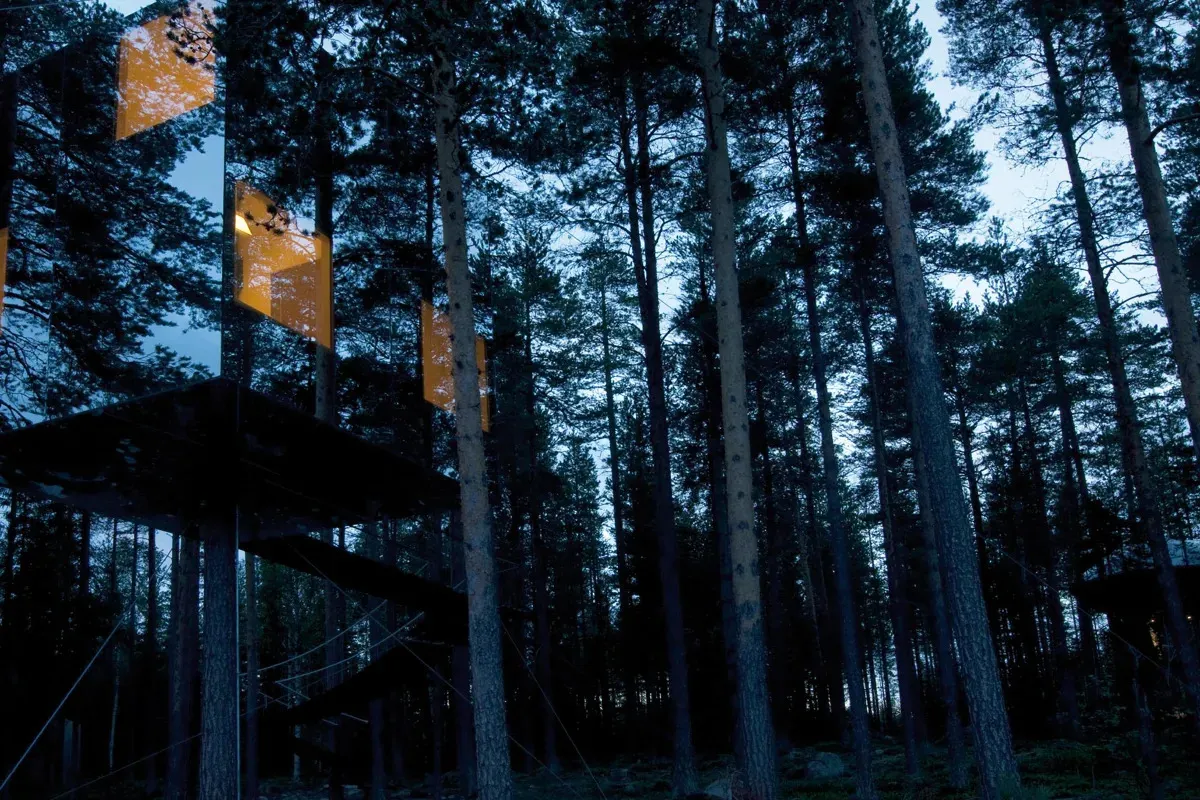
Homes That Heal: A Deep Dive Into Biophilic Architecture

Remember the last time you felt truly calm? Chances are, you weren’t staring at a screen. You were likely walking through a forest, feeling the breeze by the sea, or simply sitting in a park. Humans have an innate, biological need to connect with nature, yet we now spend an estimated 90% of our lives indoors.
This profound disconnect is taking a toll on our well-being. But what if our homes could be the solution? This is the promise of Biophilic Architecture, a design philosophy that seeks to bring the healing power of nature back into our daily lives.
And it’s the precision of modern prefabrication that is making this once-complex style more accessible than ever. By engineering homes in a factory, architects can now flawlessly execute designs with massive glass walls, seamless indoor-outdoor transitions, and natural materials features that are difficult and costly to achieve with traditional on-site construction.
The Data-Driven Case for Biophilic Design
Biophilic Architecture is a science-backed design approach centered on the idea that humans have an innate, biological need to connect with nature. Research consistently confirms that integrating natural elements into our homes is directly linked to enhanced well-being, reduced stress, and improved cognitive function.
Get Prefab Digest’s stories in your inbox
Join Medium for free to get updates from this writer.
This is why the movement is so vital:
- Improved Health & Faster Healing: Access to nature and daylight has been shown to lower heart rate, reduce blood pressure, and decrease the production of stress hormones. In fact, studies in healthcare have found that patients in rooms with views of nature recover up to 8.5% faster than those without.
- Enhanced Productivity & Focus: People are simply smarter and more effective in nature-inspired environments. Office workers with views of nature are 6% more productive and report 15% higher levels of well-being. Furthermore, cognitive function and creativity can increase by up to 20% in spaces that incorporate biophilic elements.
- Increased Financial Value: Good design is good business. In retail, customers are willing to pay up to 25% more for goods and services in spaces with natural elements. Similarly, hotels and rental properties with access to nature and views can command higher nightly rates and enjoy better occupancy.
This powerful science is brought to life through three core design principles, and it’s the factory-built precision of modular homes that allows them to be applied more perfectly than ever before.
The 3 Pillars of a Healing Environment

Pillar 1: Maximizing Natural Light & Vistas
Natural light is the cornerstone of biophilic design. It doesn’t just illuminate a room; it animates it, connecting us to the rhythms of the day and the world outside.
- Regulating Our Rhythm: Ample exposure to daylight helps regulate our circadian rhythm — the body’s natural sleep-wake cycle. This is essential for maintaining stable moods, promoting better sleep, and enhancing overall mental resilience.
- Engineered for Light: Modern modular homes are designed to be instruments for capturing light. Through precise factory engineering, features like full-height glass facades and strategically oriented windows are flawlessly executed to maximize light penetration, enhancing alertness and cognitive performance. This design is also highly efficient, reducing the reliance on artificial lighting and lowering energy costs.

Pillar 2: A Connection Through Natural Materials
The choice of building materials is a direct pathway to human health, as our minds find comfort and calm in natural textures. Prefabrication is enabling a revolution in the use of clean, sustainable materials.
- Advanced Bio-Composites: The sustainable living model is reinforced by the use of innovative, bio-based interior panels, which bring a warm, organic aesthetic into the home. These materials — such as high-performance boards derived from natural fibers — are increasingly used as sustainable alternatives to traditional wood products.
- Superior Performance: These engineered panels are celebrated for their natural fibrous structure, which provides thermal benefits, helping to regulate indoor temperatures. They often require minimal energy to process compared to conventional materials, reinforcing the low-waste construction process.
- Structural Integrity: The core structure of these prefabricated homes is designed for durability, often featuring an all-steel perimeter frame that is welded together for superior strength and precision. This robust frame is coupled with powerful insulation — a blend of Polyurethane foam and Rockwool Insulation — to create a structural sandwich panel that is significantly stronger and lighter than an average building, while providing excellent heat and sound absorption.
- Health and Safety: By using engineered insulation and eliminating the need for common lumber, these systems drastically reduce the risk of mold growth and moisture absorption, contributing to healthier air quality.

Pillar 3: A Seamless Flow Between Inside & Out
A truly biophilic home feels intuitive and connected, erasing the hard line between the built environment and the natural landscape.
- Spaces That Breathe: The layout is meticulously planned to create a seamless flow. Features like private decks that extend from the main living area, open-concept floor plans, and expansive glazing are designed to draw you outwards, encouraging you to step outside and recharge.
- Minimal Disruption, Maximum Respect: Because the entire home is built off-site, the on-site installation is streamlined and takes a fraction of the time of a traditional build. This drastically minimizes the construction’s impact on the land, preserving the natural environment you chose for your home.
It’s really in putting these three pillars together that you get that special feeling a biophilic home provides. This is where we see modern modular construction really shine.
Conclusion: The Future is Healthy
Biophilic design is moving beyond just being an aesthetic trend— it’s a powerful approach to health. With a modular home, you don’t just get the elegance of modern design; you also gain the proven benefits of a space that supports healing, balance, and well-being. It’s a luxury that truly cares for you.
So, ask yourself: does your home only look great, or does it also feel great?
I hope this deep dive into design and wellness inspires you to think differently about your next home. If you enjoyed exploring biophilic design with me, follow along here on Medium for more insights!