Creative Workflow Management Starts Before the Design

A creative project can become difficult to manage before anyone even starts designing. A request arrives with a vague deadline, missing details, several files, and a long list of expectations. The designer begins with questions instead of a clear direction, and the project slowly picks up unnecessary delays.
This is an often-overlooked part of creative workflow management: what happens before work officially enters production.
A stronger intake process can help teams decide what needs to be done, who needs to be involved, and whether the request is actually ready to move forward.

The Request Is Not the Brief
Someone asking for a new banner, presentation, campaign graphic, or product visual may know exactly what they want in their head. That does not mean the request contains enough information for someone else to produce it.
A useful intake process turns a general request into something the creative team can act on.
At a minimum, the team should understand:
- What needs to be created?
- Who is it for?
- Where will it be used?
- What is the deadline?
- Are there existing brand or design requirements?
- Who needs to review the finished work?
The goal is not to create a long form that nobody wants to complete. It is to capture the information that would otherwise become a series of follow-up messages.
Not Every Request Has the Same Priority
Creative teams often receive several requests at once, and treating every request as equally urgent creates its own problems.
A better approach is to establish a few simple priority factors. For example, a campaign launching tomorrow may need attention before an internal presentation scheduled for next month.
Priority can also depend on dependencies. If another team cannot begin its work until a design is delivered, that dependency may affect where the request belongs in the queue.
This gives the team a more practical way to decide what should happen next instead of relying entirely on whoever asks first.
Give Designers Enough Context
One of the easiest ways to create extra work is to send a designer a request without the information needed to make a good first version.
For example, “Can you make this look more premium?” gives very little direction. A better request might explain the target audience, intended feeling, reference examples, and where the design will appear.
Get Quickproof’s stories in your inbox
Join Medium for free to get updates from this writer.
Good context does not remove creative judgment. It gives the designer a clearer starting point.
That can reduce unnecessary back-and-forth later in the project.
Decide Who Reviews Before Work Starts
Review problems are often easier to prevent than fix.
Before production begins, clarify who will review the work and who has final approval. If five people are expected to provide feedback, determine whether all five have equal decision-making authority.
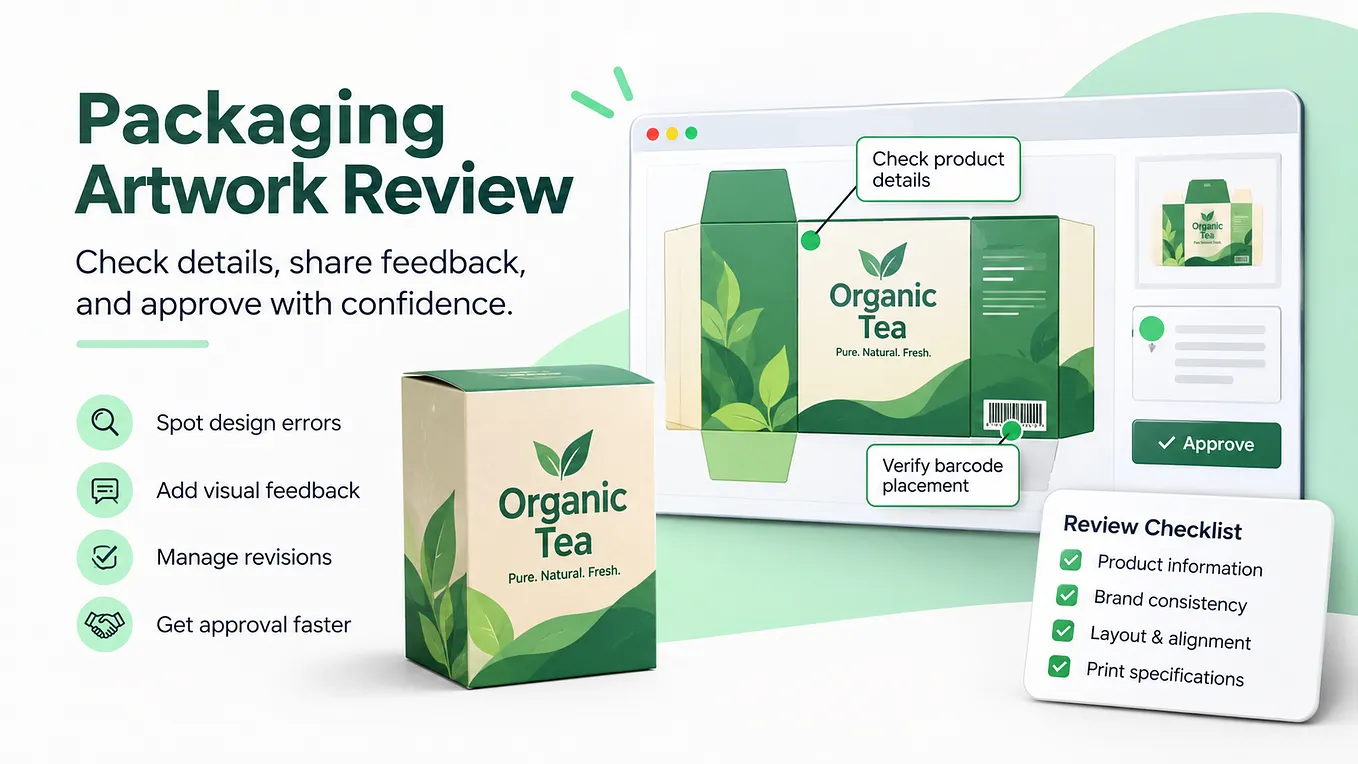
Teams can also decide how visual feedback will be handled. A focused review process, such as the one available through QuickProof, can keep comments connected to the work rather than scattering them across separate conversations.
The important point is to establish these expectations before the first draft arrives.
Know When a Request Is Ready
A creative team does not need perfect information before starting every project. But there should be a reasonable point at which a request is considered ready for production.
A simple readiness check might include:
Brief complete → Assets available → Priority confirmed → Reviewer identified → Deadline agreed
If one of these is missing, the request may need clarification before entering the production queue.
This small step can prevent incomplete requests from quietly becoming urgent projects later.
Start With Clarity, Not More Process
Creative workflow management does not begin when a designer opens a file. It starts when a request enters the team.
When intake is clear, priorities are visible, and review expectations are established early, creative teams have a stronger foundation for the work that follows.
The objective is not to add another layer of administration. It is to make sure creative work starts with enough clarity to move forward confidently.
Frequently Asked Questions
What should a creative project intake process include?
It should capture the project’s purpose, deliverables, deadline, audience, requirements, available assets, priority, and people responsible for review and approval.
How does better intake help creative teams?
Clearer intake can reduce repeated questions, incomplete requests, unexpected requirements, and confusion about deadlines or priorities.
Should every creative request follow the same process?
Not necessarily. A small internal request may need very little information, while a large campaign may require a more detailed intake. The process should match the complexity of the work.