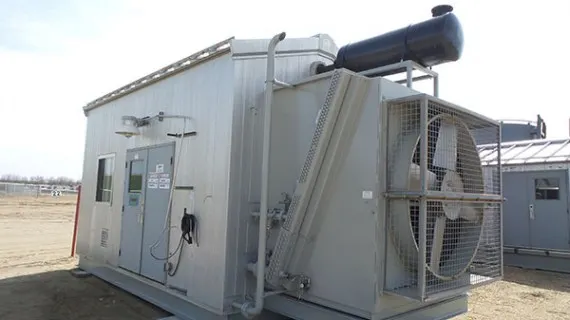
Some Important Things to Know About Rotary Screw Compressors!


A screw compressor is a kind of rotary compressor which compresses air. The main advantage of using this compressor is that it can supply compressed air with minimum fluctuation in delivery pressure continuously. Generally, two screws in a rotary screw compressor are used to compress the gas. This is done by driving the screws through a set of synchronized gears. Basically, it works by compressing the gas by means of reducing the clearance between the threads. The gas then exits through the screw ends. This mechanism is only as effective as the clearances between the rotors, called helicals, and the sealing of the open chamber, or compression cavities.
Rotary Screw Compressors don’t require any spring suspension, this is because of their smooth and compact design, which don’t have any vibration associated with them. This means less maintenance and noise. As per your needs you can find different consumer-grade models, these are typically used in commercial settings and general industrial-based application. Typically they are used to power heavy construction machinery.

Now is there any difference between oil-free and oil-flooded compressors?
Get R5 Solutions’s stories in your inbox
Join Medium for free to get updates from this writer.
Firstly, the oil-free models are simply compressed air charged from the action of the screws without the assistance of an oil seal. These units consist of a lower psi discharge and are more suited for lower-end jobs. Other oil-free units are also there which produce a large psi. These compressors consist of multi-stage sets of screws, they are oil-free and are not contaminant-free machines, and need filtration, as hydrocarbons and other contaminants can find their way to the outside air.
Secondly, the oil-flooded type rotary screw compressors can have a higher level of compressed air psi. and provide cooling for the gas charge. The oil-flooded units have oil injected into the cavities, despite being separated from the discharge stream when cooled. after this its then filtered and recycled back into the unit. To combat the effect of oil carrying through the air pressure, there are two solutions one being coalesce vessels or a filter. The other method to capture the leaked oil is to allow the oil to be condense and driven out of the air stream via condensate equipment.
You can find a variable speed drive in generally all the models, wherein you can adjust the air flow. Similarly another such rotary unit known as the supercharger is great since the advantages of using this model means there’s reduction in low leakage levels, parasitic losses, in comparison to the typical roots-type units.