Rending the Veil
Aware Presence


We look out the window and see a tree. Immediately, the mind names it. The tree needs pruning. A fellow human being is identified: young, old, attractive, threatening. A face now arrives with yesterday’s history.
That is precisely the trouble. Naming settles into familiarity, familiarity into habit, and little by little the living mystery disappears behind what we think we know. The oak is no longer the improbable flowering of earth, rain, sunlight, and time. The stranger is no longer another expression of the same mysterious life that looks out through our own eyes.
The world remains, but its depth has thinned. Beneath these useful labels, the natural harmony linking one form of life with another slips from view.
Nothing is wrong with naming. The veil descends when the name alone becomes enough.
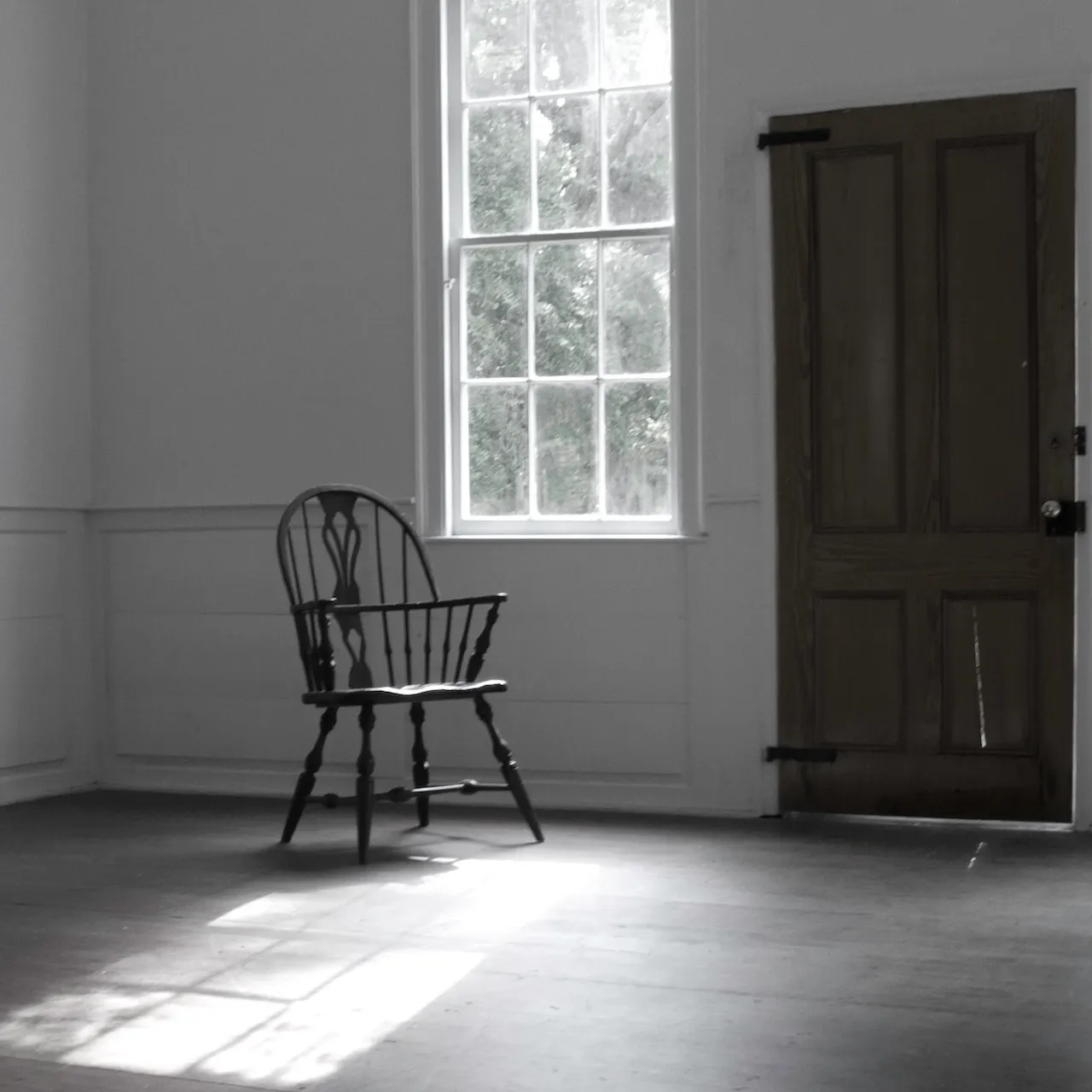
Sometimes the habit loosens its hold. Light settles across a wall. A phrase of music catches us before we know why. We look into another person’s face without reaching immediately for memory or judgment. For an instant, perception comes before interpretation. The ordinary appears strange and vivid again.
We have not acquired anything new. Something has simply fallen away.
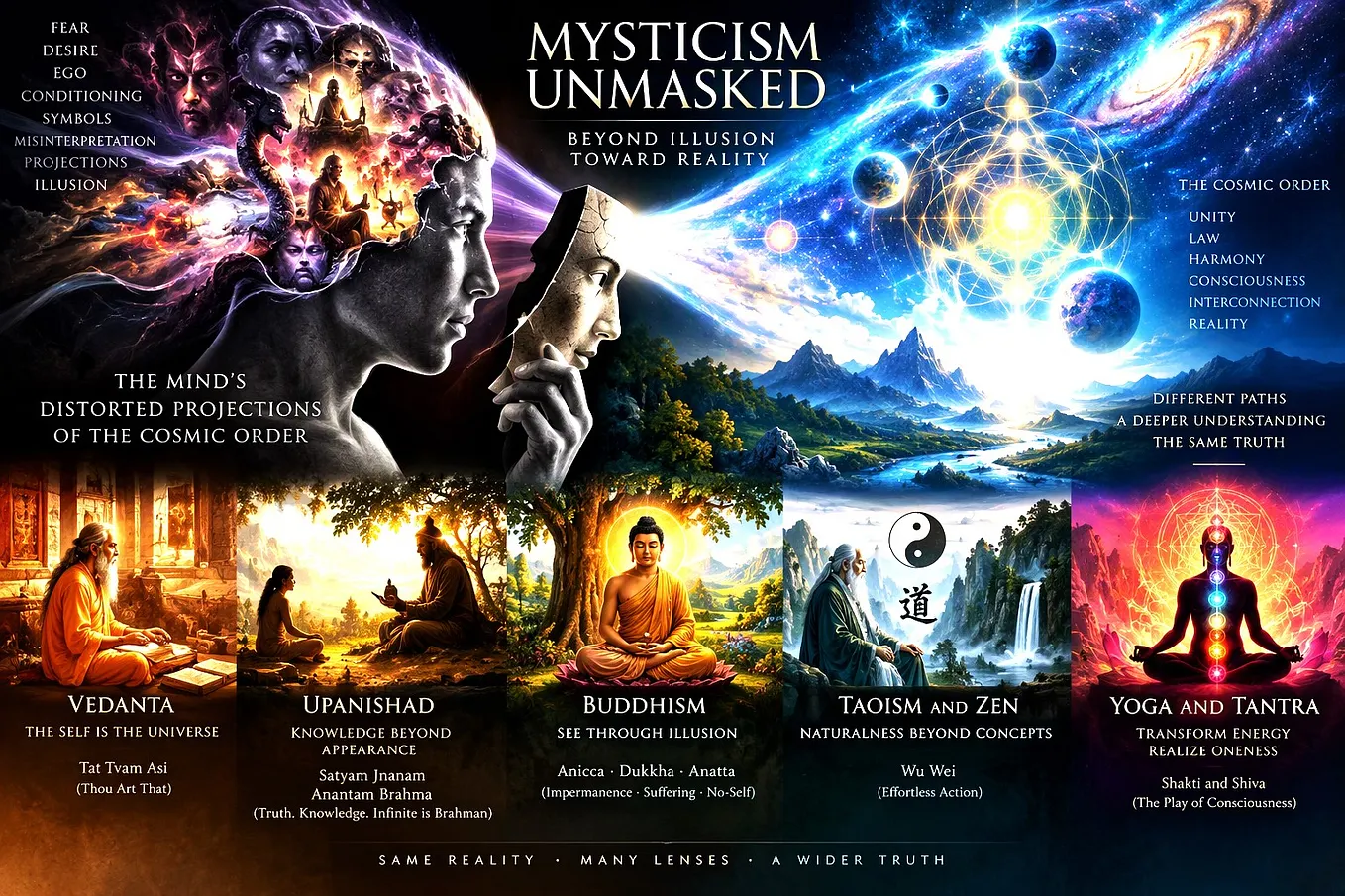
The subtle knife, awareness, rends the veil, removing not reality but what conceals it. The tree is still an oak. The stranger remains another person. But when we’re present, these identifications cannot fully obscure what we see. Beauty blooms through these familiar forms, and we let it be.
Presence bears a sense of belonging. Boundaries remain, but they do not feel absolute. We glimpse an order in which distinct forms of life belong to a living whole. Wonder returns as reality exceeds the names we have given it, and we feel the natural wisdom of simply allowing it.
Thought continues. We remember, plan, compare, and choose. It serves without taking over our attention. A thought appears, changes, and disappears. An emotion rises and passes. The story of who we are remains useful without claiming to be our entire identity.
When memory and anticipation take over, they become twin vampires, draining vitality from the only moment there ever is: now.
The old story of Martha and Mary points to the same imbalance. Martha is absorbed in all that must be done; Mary sits still and attends. The story does not condemn doing. It reminds us of what doing requires if it is not to become merely restless activity: the ground of being from which intelligent action can arise. Mary has not abandoned life. She has returned to its source.
This is the “one thing needful” beneath all our necessary doing. Without it, even useful activity can carry us away from the present. Being does not replace doing. It gives doing its balance, intelligence, and human depth.
Get cosmosmariner’s stories in your inbox
Join Medium for free to get updates from this writer.
We ordinarily speak as though a human being possesses awareness: I am aware of this thought. I am aware of that sound. But look more closely. The thought itself is not aware; it arises in awareness. So does a memory. A sensation, a face, a sound, a fear — all come and go. Awareness does not come and go with them.
The relation then reverses: awareness is not something the person possesses; the person appears within awareness. Aware presence is consciousness recognizing itself as the open space in which thought and experience arise.
Here lies the paradox: what we seek cannot be found as an object because it is that by which all objects are known. The seeker is looking for the very presence from which the looking arises. We are not trying to manufacture awareness. We wake from the dream that awareness belongs to us.
Eckhart Tolle has pointed the way“Our very presence then becomes our identity rather than our thoughts and emotions.” Another of his recent signposts: “Ultimately you are the now.”
This is not merely an inward discovery. It changes the way we meet one another and act in the world. The question is not only what good we can do, but whether it is done from aware presence or from conditioned thought.
When we are hurt, that distinction is put to the test. “There is only one perpetrator of evil on the planet, human unconsciousness. That realization is true forgiveness.”
These words do not deny cruelty, excuse harm, or erase responsibility. Their force lies in what falls away: the comforting assumption that unconsciousness belongs only to the guilty other. It is a shared human vulnerability—the sleep in which fear and grievance can govern our actions. To see this is humbling before it is consoling.
A grievance, rehearsed often enough, hardens into an identity. What began as an injury colors everything we see. The past keeps recruiting the present.
Aware presence breaks that continuity, not by denying what happened but by seeing the grievance without being wholly claimed by it. We can remember the injury without making it who we are. The wound need not dictate the next act.
Acceptance is not resignation. The reality before us may demand a necessary no, an act of protection, or an effort to change what is harmful. We can act within the present rather than against the fact that it is here. Right action need not be driven by the anger it seeks to answer.
Suffering takes us deeper still. Pain ordinarily contracts the world around the one who suffers: my wound, my loss, my fear. Met in awareness without becoming the whole of who we are, suffering loosens that contraction. What seemed only to diminish us reveals a life larger than the separate self.
This is the alchemy hidden within conscious suffering. The pain is real, but it is no longer merely private. We recognize in it the vulnerability common to every human life. What isolates us becomes a doorway into communion.
Consciously met, human suffering opens onto our essential equality. Truth and beauty are no longer abstractions. They are the harmony of natural law, lived as compassion, balance, and fruitful action. We live, at last, more fully as human beings.
Sometimes the shift is so slight that we almost miss it. Light rests on a wall, and for once we do not hurry to explain what we see.
Nothing has been added. No new world has been built. And still, everything seems newly given: more intimate, more luminous, as though the earth had been waiting quietly for us to look again at the living depth of what is already here.