What a Clogged Septic Filter Can’t Tell You About Detergent


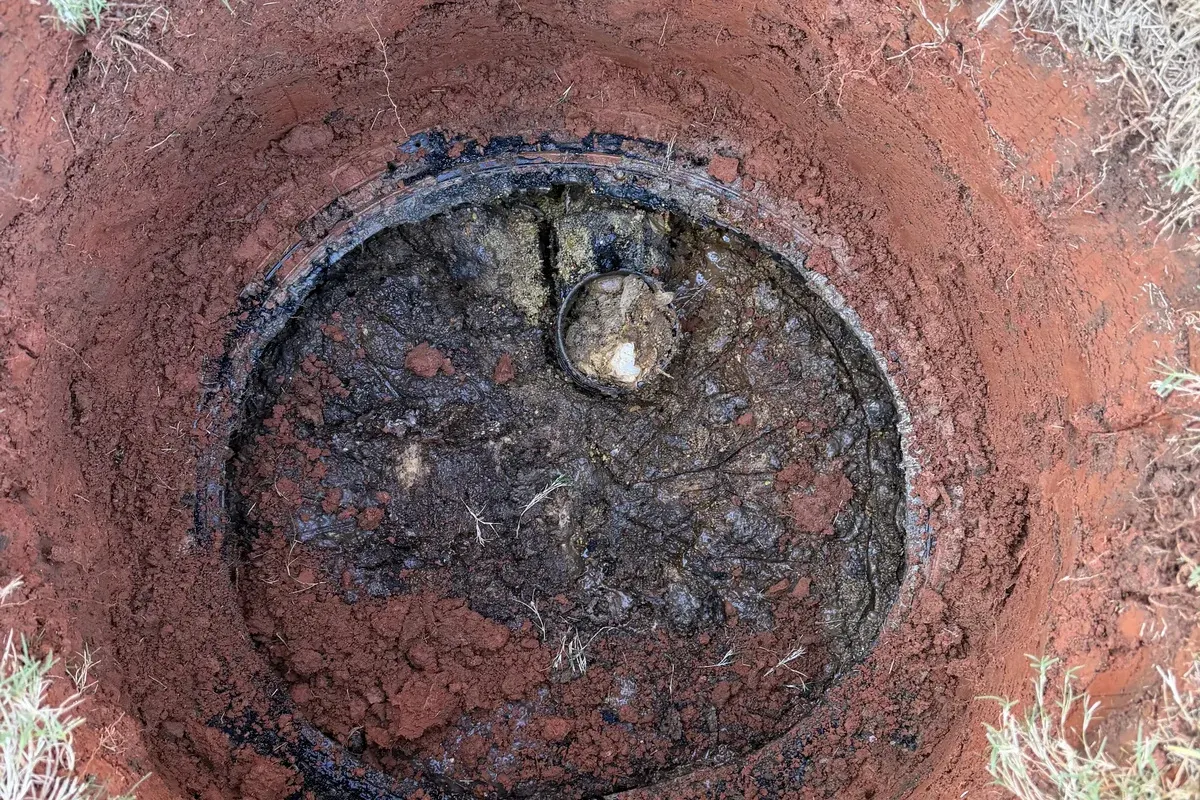
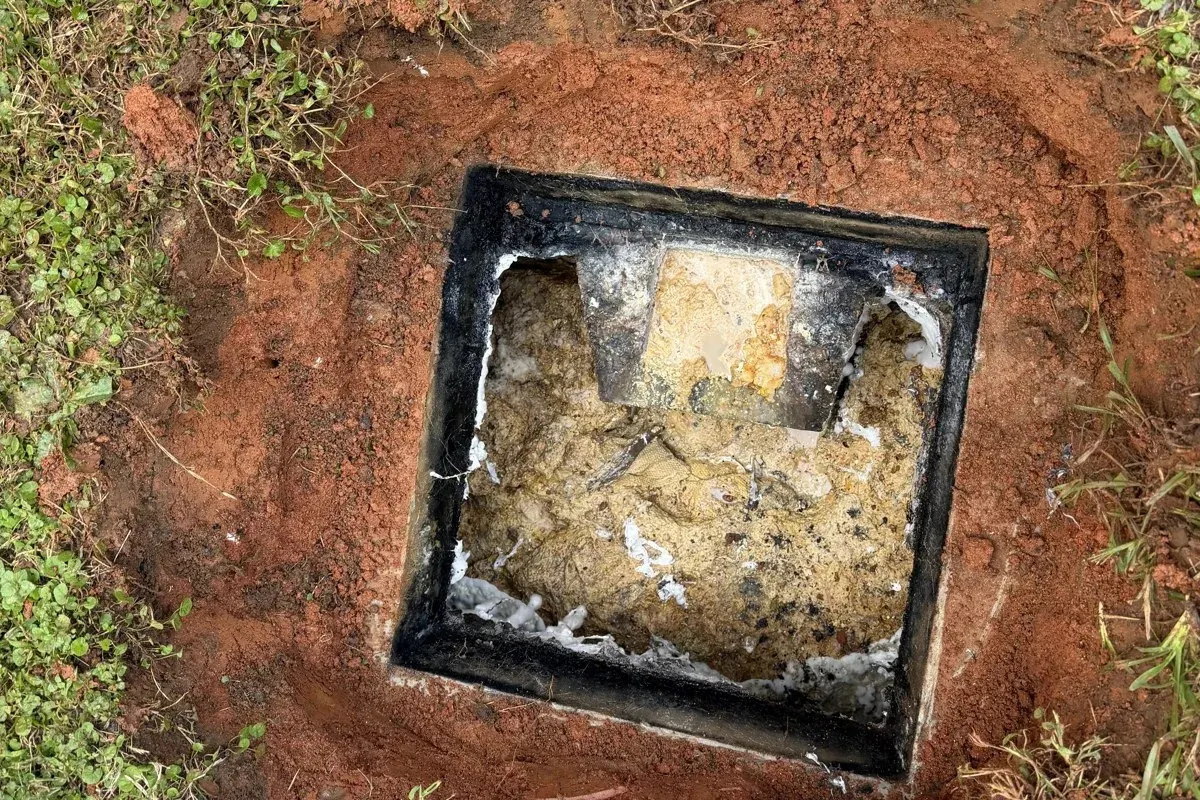
On August 6, 2026, our crew visited a home in Boiling Springs, South Carolina, because the septic system was backing up. They uncovered the 1,000-gallon concrete tank and pumped it. During the work, they found the baffle filter caked with buildup. The filter was cleaned, and the crew documented the condition before backfilling the excavation.
That kind of job is a good example of why I don’t automatically blame laundry detergent when someone calls about a septic problem. The filter had accumulated enough material to restrict wastewater flow, but we didn’t perform a laboratory analysis of what was on it. I can’t tell you detergent caused the buildup, and I wouldn’t make that claim just because the homeowner happened to use a particular brand.
Get Rock Solid’s stories in your inbox
Join Medium for free to get updates from this writer.
Most ordinary laundry detergents are suitable for a properly functioning septic system when used according to the manufacturer’s instructions. Liquid detergent and powder can both be reasonable options. Using excessive amounts or repeatedly sending strong disinfectants into the tank is a different matter, but a normal household load doesn’t usually create that kind of concern.
Water use can be more important than people realize. Wastewater from the washing machine enters the septic tank, where solids settle before the liquid moves toward the drainfield. Running several loads close together increases the amount of water the system must handle over a short period. If the drainfield is already saturated or having trouble accepting wastewater, heavy laundry use may expose that problem.
When homeowners report gurgling drains or sewage backups, I generally recommend examining the septic tank first, because assuming the cleaning products are responsible can hide the real cause. Pumping lets us evaluate the tank’s condition and check for wastewater returning from the drainfield. If necessary, we can also investigate suspiciously wet soil around the drainfield.
That’s why I don’t consider buying a specialty detergent a substitute for proper maintenance. Use the recommended amount of detergent and spread out heavy laundry loads. Keep the tank on an appropriate pumping schedule too. Most residential tanks need pumping about every three to five years, depending on their condition and household use. If the system already has a blockage, changing detergent won’t remove it.