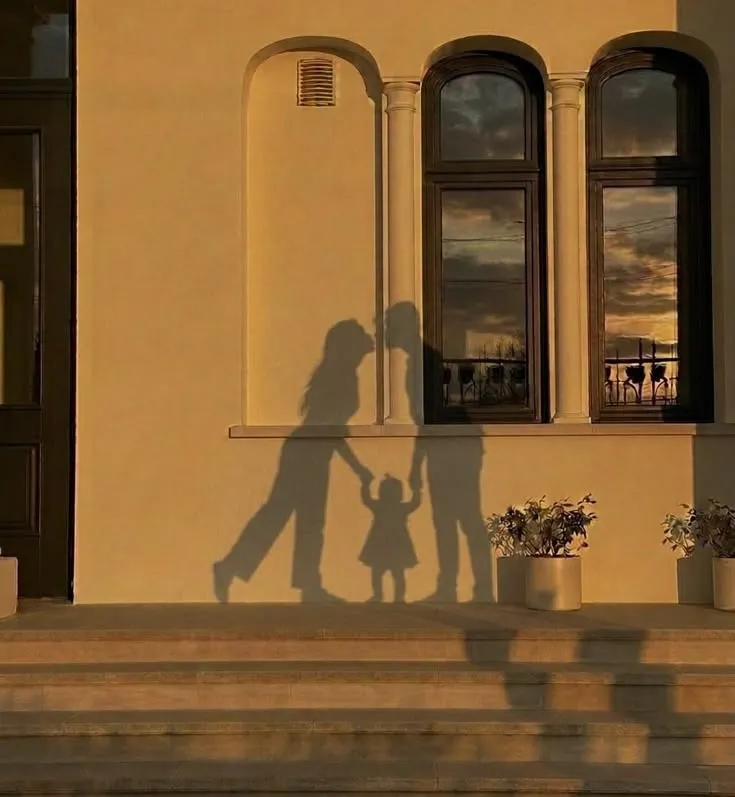
I was his first home..


On a mother’s love, a wife’s place, and the responsibility of the man between them.
Before he became someone’s husband, he was someone’s little boy.
A boy whose mother held his hand, wiped his tears, celebrated his achievements, and prayed for him long before he understood the meaning of sacrifice.
She raised him, fed him, encouraged him, and loved him when he had nothing to offer in return.
She was his first home.
Then one day, he grew up and got married.
Another woman became the person he came home to. The one who listened to his worries, shared his dreams, and stood beside him through life’s uncertainties.
Suddenly, his mother began to wonder:
How can someone who met him as a growm man make me feel like a stranger to the child I spent my life raising?
But what about his wife?
She never witnessed his childhood or shared his mother’s sacrifices. Yet she chose to love him, build a future with him, and embrace the responsibilities of marriage.
Why must wanting a place in my husband’s life make me the woman who took someone’s son away?
Get roveset’s stories in your inbox
Join Medium for free to get updates from this writer.
In Islam, a mother’s position is deeply honoured, yet a wife also has rights that her husband must fulfill.
So why do we sometimes treat these responsibilities as though one woman must lose for the other to feel loved?
Perhaps the problem isn’t simply two women competing for one man’s love.
Perhaps it is also a man who has yet to understand how to fulfill his responsibilities toward both.
A husband should never make his wife feel guilty for expecting her rightful place in their marriage. Likewise, a son should never make his mother feel forgotten simply because he has built a family of his own.
He must learn to establish boundaries without disrespect, make decisions without injustice, and protect his marriage without neglecting the woman who raised him.
Because being caught between two women does not excuse him from taking responsibility.
He is not responsible for fulfilling everyone’s expectations, but he is responsible for how he treats them.
Sometimes I wonder:
If I were his mother, could I accept that he no longer needs me the way he once did?
And If I were his wife, could I understand the heart of the woman who loved him first?
Perhaps love was never meant to be measured by who came first, but by how we honour the different places people hold in our lives.
She was his first home.
But she was never supposed to be his only one.
xx. R.10