‘The NUTCRACKER’

The LONG STORY of ‘The NUTCRACKER’
The Nutcracker” is a famous ballet composed by Pyotr Ilyich Tchaikovsky. “The Nutcracker” has become one of the most popular and enduring ballets, especially during the holiday season. “ Pyotr Ilyich Tchaikovsky composed “The Nutcracker” ballet between 1891 and 1892. The choreography was by Marius Petipa and Lev Ivanov. “The Nutcracker” ballet premiered at the Mariinsky Theatre in St on December 18, 1892.
The story is based on E.T.A. Hoffmann’s “The Nutcracker and the Mouse King” and follows a young girl named Clara who receives a nutcracker doll as a Christmas gift.
E.T.A. Hoffmann led a multifaceted life as a lawyer, composer, music critic, and writer during the Romantic era in Germany. E.T.A. Hoffmann, born Ernst Theodor Wilhelm Hoffmann on January 24, 1776, in Königsberg, Prussia (now Kaliningrad, Russia). Hoffmann’s father, Christoph Ludwig Hoffmann, was a lawyer, and his mother, Luise Albertine Doerffer, came from a family of jurists. The family faced financial difficulties, and Hoffmann’s parents had a strained relationship, which possibly contributed to the emotional themes in his later works. Hoffmann showed an early interest in music and literature. His parents encouraged his artistic inclinations, and he received piano lessons. Tragedy struck early in Hoffmann’s life with the death of his father when he was just a young boy. This loss had a profound impact on him, and themes of loss and melancholy. Despite his artistic interests, Hoffmann initially studied law at the University of Königsberg, following in his father’s footsteps. Hoffmann pursued a legal career and held various positions, including that of a judge. However, he found the legal profession unsatisfying and sought solace in the arts. Hoffmann’s love for music led him to compose and perform. He worked as a conductor and music director in Bamberg and later in Leipzig. Hoffmann’s dual interests in law and the arts converged in his literary works. He began writing tales, plays, and essays, often exploring themes of the supernatural, fantastic, and macabre. Hoffmann was part of the Romantic movement, which celebrated individual expression, emotion, and imagination. His works reflect the Romantic fascination with the mysterious and otherworldly. E.T.A. Hoffmann’s life was marked by a blend of legal, musical, and literary pursuits, shaped by personal challenges and a fascination with the mystical. These elements profoundly influenced the themes and tones of his imaginative and often eerie tales.
“The Nutcracker and the Mouse King” is a story written by E.T.A. Hoffmann in 1816. It later served as the basis for the libretto of Pyotr Ilyich Tchaikovsky’s famous ballet, “The Nutcracker.”
In the story, Clara Stahlbaum and her brother Fritz are celebrating Christmas Eve at their home. The mysterious godfather, Herr Drosselmeyer, a toymaker and magician, arrives with gifts, including a nutcracker for Clara. Clara becomes fond of the nutcracker doll but accidentally breaks it during a scuffle with Fritz. Later that night, unable to sleep, Clara sneaks back to the living room to check on the nutcracker. To her astonishment, the clock strikes midnight, and magical events unfold. The room transforms, and an army of mice led by the fearsome Mouse King emerges. The Nutcracker comes to life, leading a group of toy soldiers to defend Clara against the mice. During the battle, the Nutcracker is wounded. Clara intervenes, throwing her slipper at the Mouse King, helping the Nutcracker defeat him. The Nutcracker is then transformed into a handsome prince as a reward for Clara’s bravery. The Prince, now the Nutcracker, takes Clara on a magical journey through the snowy forest to the Land of Sweets. Clara and the Prince are greeted by the Sugar Plum Fairy, ruler of the Land of Sweets. Hey, witness a series of delightful dances representing different sweets from around the world. The ballet concludes with a grand celebration in the Land of Sweets, and Clara awakens to find herself back at home.
“The Nutcracker and the Mouse King” is a tale that blends fantasy, magic, and a sense of wonder. Tchaikovsky’s ballet adaptation has further popularized this enchanting story, making it a beloved part of holiday traditions around the world.
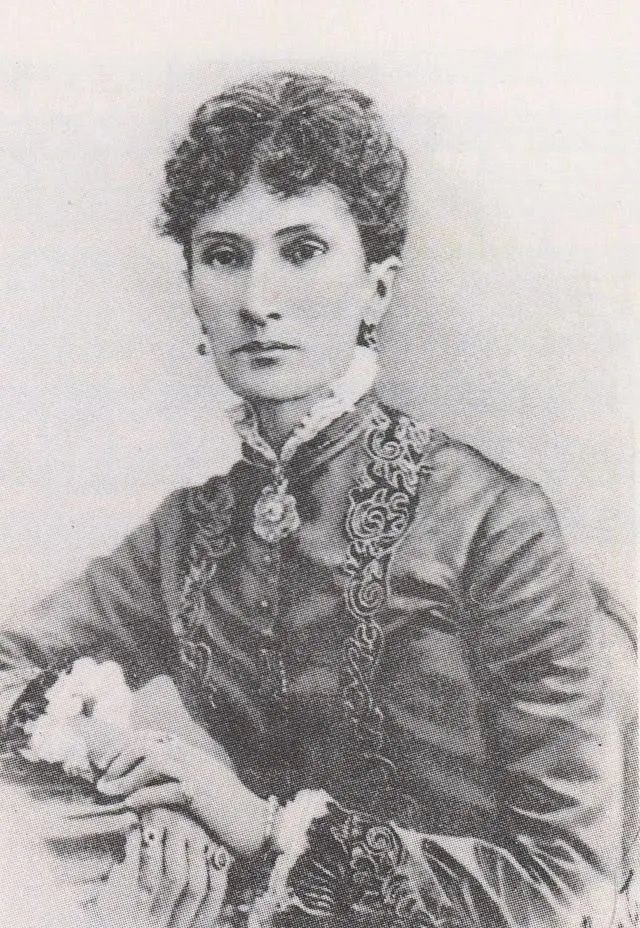
Tchaikovsky was born on May 7, 1840, in Votkinsk, Russia, to a family with French and Russian ancestry. His childhood displayed an early interest in music, and he began piano lessons at an early age. Tchaikovsky’s family had a strong cultural influence. His mother, Alexandra, supported his musical pursuits, while his father, Ilya, worked as a mining engineer. Tchaikovsky received education at the School of Jurisprudence in St. Petersburg, preparing for a career in civil service. After completing his education, Tchaikovsky briefly worked in the Ministry of Justice. However, he left the civil service to pursue a career in music. Tchaikovsky’s formal musical education included studies at the St. Petersburg Conservatory under Anton Rubinstein. Tchaikovsky received financial support from benefactors, including Nadezhda von Meck, which allowed him artistic freedom. Nadezhda Filaretovna Frolovskaya was born on December 10, 1831, into a noble family. She married Karl von Meck, a railroad engineer, at the age of 16, and they had 13 children together. Nadezhda inherited a considerable fortune after her husband’s death, which provided her with financial independence. She managed her husband’s railway business interests and investments, demonstrating business acumen. Her patronage allowed Tchaikovsky the financial means to focus on his compositions. Although they never met in person, von Meck and Tchaikovsky maintained an extensive and intimate correspondence for over a decade. They discussed various topics, including music, philosophy, and personal matters. The exact reasons for the termination of their relationship in 1890 remain unclear. Some theories suggest financial troubles on von Meck’s part, while others propose a clash of expectations. During the period of von Meck’s support, Tchaikovsky composed several masterpieces, including his Fourth, Fifth, and Sixth Symphonies, as well as the ballets “Swan Lake,” “The Sleeping Beauty,” and “The Nutcracker. “ Tchaikovsky dedicated his Symphony №4 in F minor, Op. 36, to Nadezhda von Meck as a token of gratitude for her support. After Nadezhda von Meck’s death in 1894, Tchaikovsky expressed regret for not having been able to meet her in person. He acknowledged her role in his life and artistic career.
Tchaikovsky’s compositions reflect a blend of Russian and Western European influences. His music often evokes strong emotions, and he became a master of orchestration. Tchaikovsky’s notable works include symphonies, operas, ballets, and concertos. Some of his famous compositions are “Swan Lake,” “Sleeping Beauty,” the “1812 Overture,” and “The Nutcracker.”
In “The Nutcracker” ballet, the Nutcracker and the Mouse King are key characters derived from E.T.A. Hoffmann’s original story. The main character in “The Nutcracker” ballet, the central characters are Clara and the Nutcracker Prince. Clara is a young girl who receives a Nutcracker doll as a Christmas gift. Throughout the ballet, Clara is the audience’s guide through the magical events that unfold, and she plays a central role in the story’s development. In some versions of the ballet, Clara is also known as Marie. In general, Clara is often depicted as a character who is old enough to experience a sense of wonder and excitement during the magical events of the ballet but still young enough to embody the innocence and imagination associated with childhood. Her age is a key element in conveying the enchantment and joy of the holiday season as she embarks on a magical journey from her family’s Christmas celebration to the Land of Sweets. In some versions of the ballet, Clara plays a crucial role in the battle. Her act of throwing her slipper at the Mouse King is a pivotal moment that helps the Nutcracker overcome his adversary. This action showcases Clara’s bravery and contributes to the theme of the heroine’s journey. Clara’s journey from the real world to the Land of Sweets can be interpreted as a coming-of-age experience, symbolizing growth, maturity, and self-discovery. The toys, including the Nutcracker, coming to life reflect the power of imagination and the magical perspective of a child. The Nutcracker’s transformation from a wooden doll to a human prince symbolizes the magic and enchantment of the Christmas Eve story. The battle between the Nutcracker and the Mouse King represents the timeless theme of the triumph of good over evil.
These symbolic elements contribute to the enduring appeal of “The Nutcracker” as a ballet that resonates with audiences of all ages, offering a magical and timeless experience. The blend of fantasy, magic, and Tchaikovsky’s iconic music has made it a cherished classic in the world of ballet.
Act 1:
Christmas Eve Celebration:
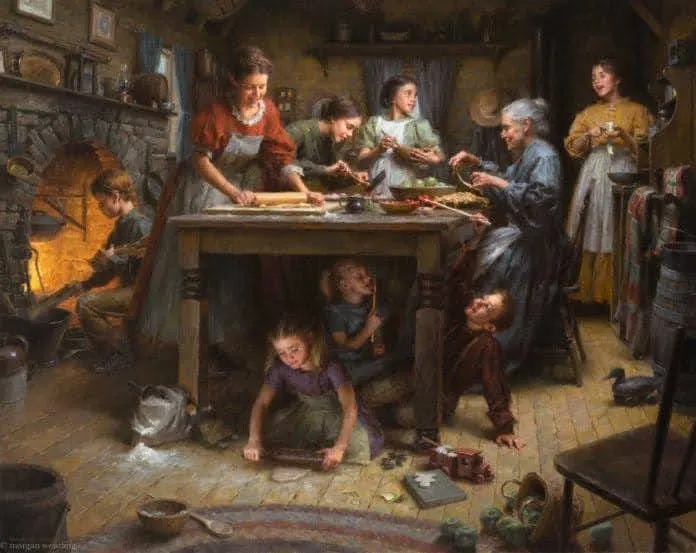
The ballet begins with a festive Christmas Eve party at the Stahlbaum family’s home.
Family and friends gather to celebrate, including young Clara Stahlbaum and her mischievous brother Fritz.
Gifts and Drosselmeyer’s Arrival:
The mysterious toymaker Herr Drosselmeyer arrives with magical gifts for the children.
Clara receives a Nutcracker doll, and Fritz becomes jealous, leading to a scuffle that results in the Nutcracker being broken.
The Nutcracker Comes to Life:
After the party ends, Clara sneaks back to check on her beloved Nutcracker.
Get Zehra Rumeysa B.’s stories in your inbox
Join Medium for free to get updates from this writer.
At the stroke of midnight, magical events unfold: the Christmas tree grows, and the toys, including the Nutcracker, come to life.
Battle with the Mouse King:
The room transforms into a battlefield as an army of mice led by the fearsome Mouse King appears.
The Nutcracker, now a life-sized prince, leads the toy soldiers in a battle against the mice.
Transformation and Journey to the Land of Sweets:
Clara intervenes to save the Nutcracker, throwing her slipper at the Mouse King.
The Nutcracker is transformed into a handsome prince, and he takes Clara on a magical journey through the snowy forest to the Land of Sweets.
Act 2:
Arrival in the Land of Sweets:
Clara and the Prince arrive in the Land of Sweets, greeted by the Sugar Plum Fairy.
The Fairy welcomes them and introduces various sweets from different lands who perform dances in their honor.
Dances of the Sweets:
The ballet features a series of delightful dances, including the Sugar Plum Fairy’s solo, Spanish Chocolate, Arabian Coffee, Chinese Tea, Russian Trepak, and more.
Waltz of the Flowers:
The Waltz of the Flowers is a grand ensemble dance featuring the most delicate and beautiful flowers.
Sugar Plum Fairy and Prince’s Grand Pas de Deux:
The Sugar Plum Fairy and the Prince perform a grand pas de deux, showcasing their artistry and grace.
Final Waltz and Apotheosis:
The ballet concludes with a festive celebration as Clara and the Prince bid farewell to the Land of Sweets.
Clara awakens back in her home, uncertain whether it was all a dream.
The Nutcracker ballet is a mesmerizing display of artistry and grace, where every movement seems to echo the rhythm of a magical dream. As the curtains rise, the dancers transport the audience into a world where toys come to life and the Sugar Plum Fairy reigns supreme. The music, composed by Tchaikovsky, weaves a tapestry of enchantment, guiding the dancers through a symphony of twirls and leaps. The Nutcracker, with its timeless tale and ethereal choreography, captivates the senses, leaving the audience in a convulsion of awe and delight as they witness the seamless fusion of classical ballet and holiday magic.
December 21, 2023 -Flower, Star, Triangle-