Neodymium vs Ferrite Magnets: Which One Does Your Application Actually Need?


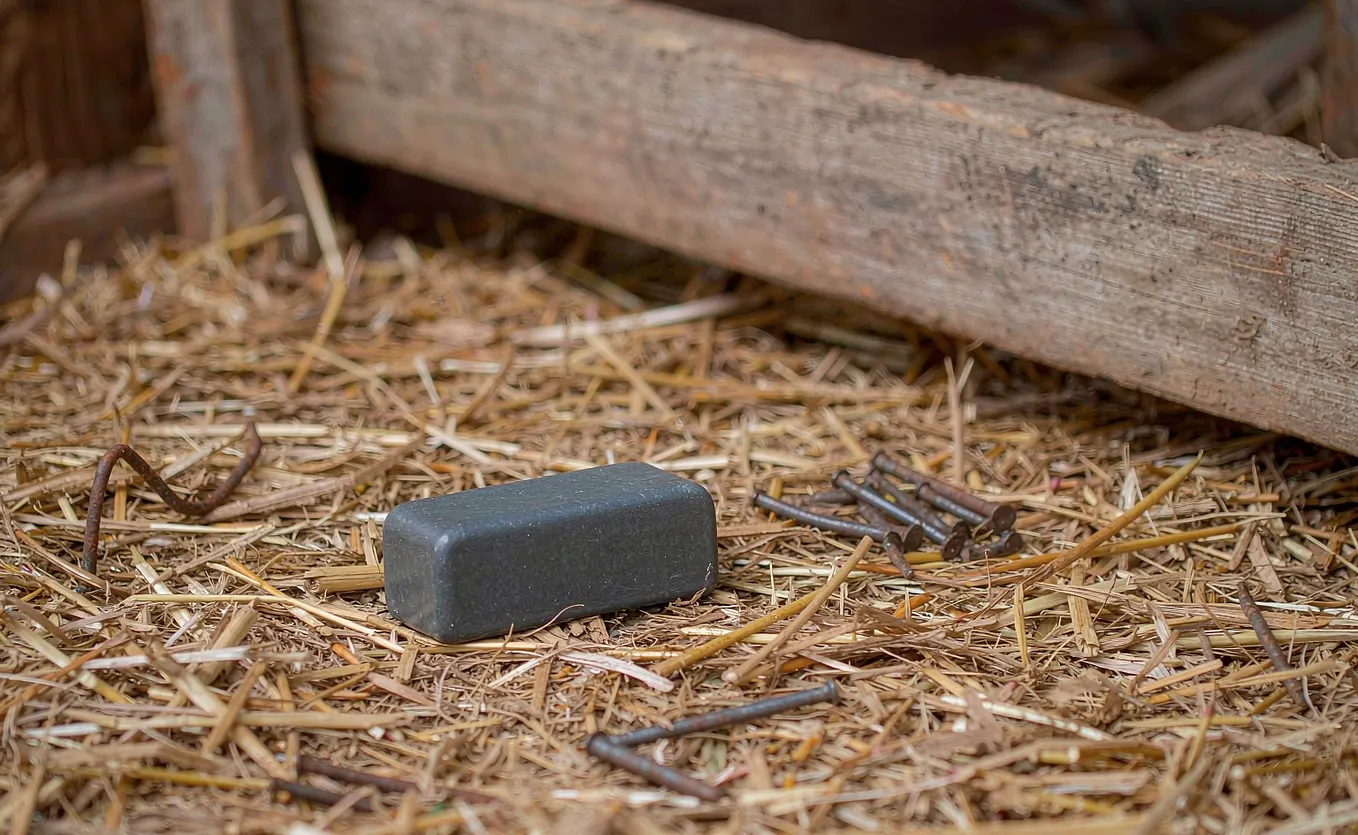
If you’ve ever had a tiny silver disc magnet snap out of your grip and pinch you hard enough to make you yelp, you’ve met neodymium. If you’ve ever pulled a dark gray, slightly chalky ring off the back of a speaker or an old fridge door, that’s ferrite — also called ceramic.
People ask me some version of the same question all the time: what’s the actual difference between neodymium and ferrite magnets, and does it matter which one goes into a project? Short answer: it matters a lot, and picking wrong usually means either overspending or watching something fall off a wall.
I’ve spent years around both types in holding, mounting, and lifting setups, so here’s the plain version.
The strength gap is bigger than you think
This is the headline difference. Neodymium is a rare-earth magnet, and pound for pound it’s the strongest permanent magnet material you can get your hands on. A neodymium disc the size of a coin can out-pull a ferrite magnet several times its size.
Ferrite is the workhorse of the magnet world — much weaker per unit of volume, but perfectly capable when you have room to go bigger. If your design can spare the space, a larger ferrite piece often does the same job for a fraction of the money.
So the first question to ask yourself is simple: how much space do I actually have? Tight space, need serious holding force → neodymium. Plenty of room → ferrite starts looking very sensible.
The funny thing is, strength isn’t usually the deciding factor
In real-world applications, the decision almost never comes down to raw pull force alone. It comes down to environment. Three things matter here:
Get MagneticHolders’s stories in your inbox
Join Medium for free to get updates from this writer.
Temperature. This is where ferrite quietly wins. Standard neodymium starts losing strength permanently at surprisingly modest temperatures — somewhere in the 80°C neighborhood for the common grades. Ferrite shrugs off heat far better, which is why it lives inside motors, speakers, and anything near an engine bay. (Grades and exact limits are a whole separate rabbit hole — worth their own article.)
Corrosion. Bare neodymium rusts. That’s why you almost always see it with that shiny nickel coating. Scratch the coating in a damp environment and the clock starts ticking. Ferrite, being essentially a ceramic, barely cares about moisture at all.
Brittleness. Both are brittle, but neodymium chips and cracks more dramatically if two pieces slam together — and with that much pull force, they will slam together. One mistake I see all the time is people letting two neodymium discs fly at each other out of curiosity, then being surprised by the shrapnel. Wear eye protection. Seriously.
So ceramic vs neodymium magnet — which one where?
Here’s how I’d actually split it:
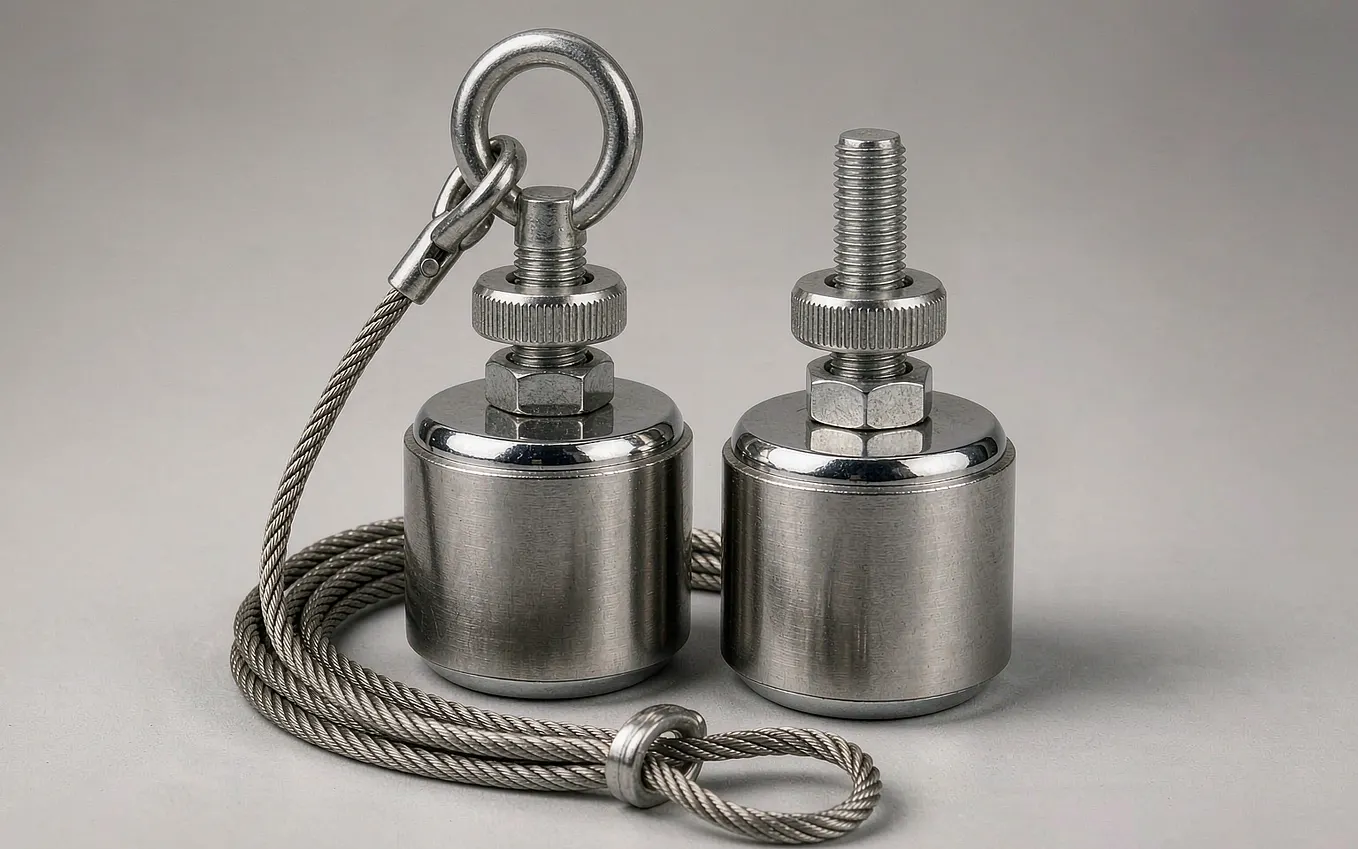
Go neodymium when: space is tight, weight matters, or you need maximum holding force in a compact package. Think magnetic mounts, tool holders, cabinet closures that need to feel solid, lifting applications where you’re dealing with serious loads. It’s also the right call when the magnet is indoors, dry, and at room temperature — its weaknesses simply never come up.
Go ferrite when: the application runs hot, lives outdoors or in damp conditions, or you need to cover a large area without spending much. Workshop organizers, magnetic sweepers, outdoor signage, anything near heat. I’ve noticed people dismiss ferrite as the “cheap option,” but in harsh environments it’s not the budget choice — it’s the correct choice. (I once watched a neodymium mount quietly let go on a machine enclosure that ran warmer than anyone admitted.)
Skip both and rethink when: you need something flexible (that’s rubber magnet territory) or you’re trying to magnetically separate things in a food line (different conversation entirely).
Are neodymium magnets worth it?
If you need the strength in a small footprint — absolutely yes, there’s no substitute. If you don’t, you’re paying for capability you’ll never use while inheriting heat and corrosion headaches ferrite doesn’t have. Match the magnet to the environment first, the strength requirement second, and you’ll almost never pick wrong.