Why Young Female Distance Stars Flame Out

How training load, RED-S, iron, puberty, and pressure cut promising careers short

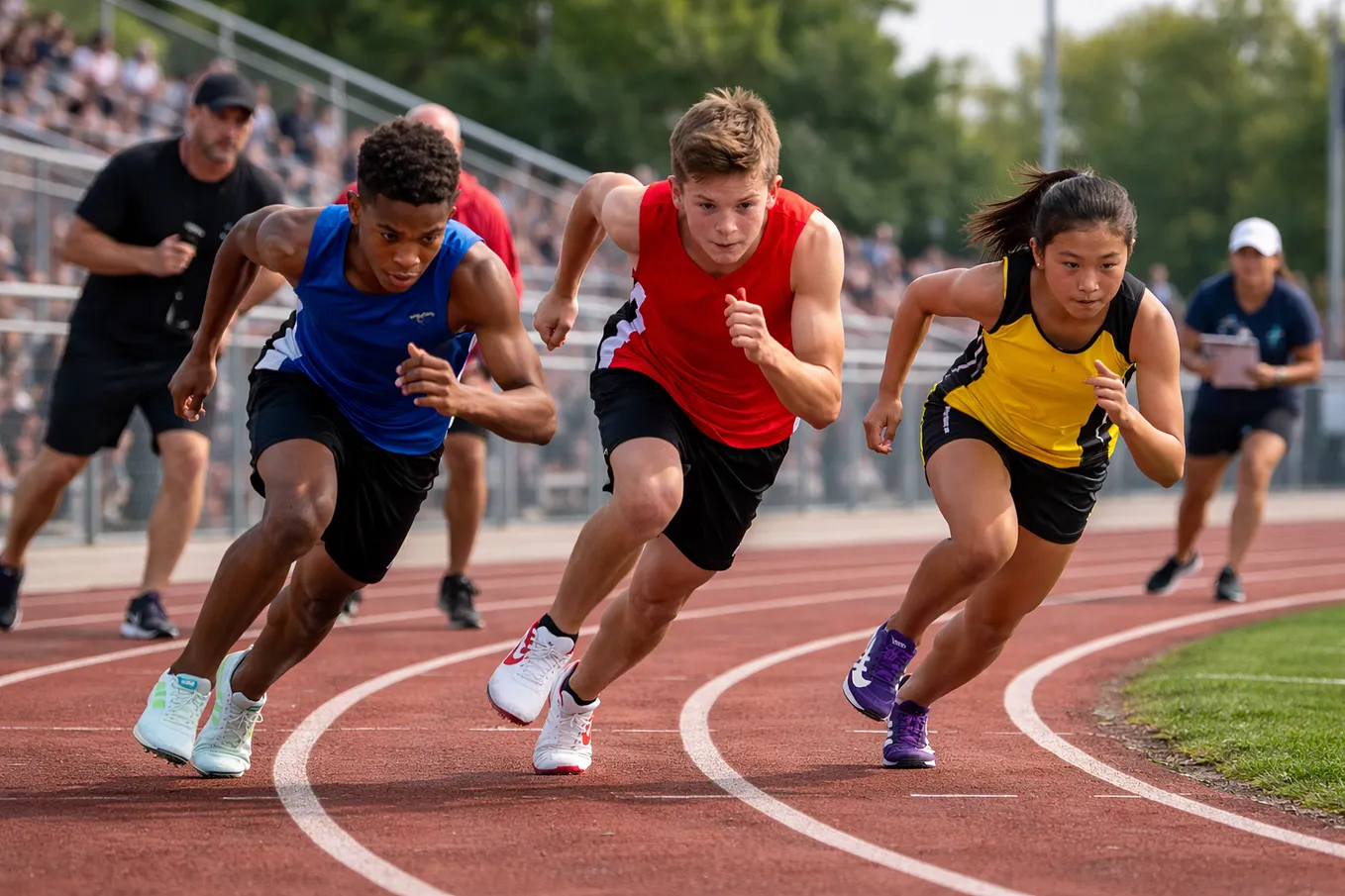
Every spring I watch a wave of gifted girls dominate middle- and high-school races, only to vanish from leaderboards a year or two later. Parents ask what went wrong. The short answer: the body keeps score. Rapid mileage jumps, low energy intake, iron shortfalls, bone stress injuries, and the shock of puberty create a perfect storm — worsened by adults who don’t know what to look for. Here’s a clear, evidence-based map of the problem and how to steer your runner through it.
The pattern you see is real
Bone-stress injuries are far more common in female distance runners than in males, and the risk rises sharply when energy intake lags behind training needs. The IOC’s 2018 and 2023 RED-S consensus statements document how low energy availability depresses hormones, slows recovery, and sabotages bone health and performance. Meta-analyses show female runners face higher stress-fracture risk, and Triad/RED-S features multiply that risk. PMC+3Olympics+3Olympics+3
Biomechanics Insight 🏃♀️
Bone stress builds fastest when training load spikes meet under-fueled bones. Amenorrhea or low bone mineral density can push tibia, femur, and navicular from “sore” to “stress fracture.” Screening for RED-S/Triad risk is injury prevention.
Why “early success” often backfires
Early sport specialization and year-round single-sport volume increase overuse injury and burnout without guaranteeing adult success. Recent open-access reviews and expert statements advise delaying specialization and capping weekly volume increases. The youth running consensus emphasizes gradual load, varied movement, and enough rest.
Puberty changes performance — and that’s normal
Around ages 11–15, girls experience growth and body-composition shifts that can temporarily slow times or change stride mechanics. Longitudinal data on adolescent track athletes show non-linear progression during these years; expecting linear PRs pushes some athletes toward harmful restriction and overtraining. Healthy adaptation beats chasing last year’s splits. PMC+1
Low energy availability → RED-S → bone injuries
In high-school runners, Triad features (low energy availability, menstrual dysfunction, low bone density) strongly predict injuries. Prospective and review papers link even one Triad component to higher stress-fracture risk, with amenorrhea magnifying risk the most. Parents should treat missed periods as a red-flag health issue, not a “sign of fitness.” PMC
Nutrition Fix 🍽️
Iron matters. Systematic reviews report high rates of iron deficiency in female endurance athletes. Low ferritin blunts oxygen delivery and can feel like “mystery fatigue.” Ask for labs that include ferritin, hemoglobin, transferrin saturation, and a plan that pairs iron-rich foods with vitamin C.
Coaching gaps and the cost of not knowing
Many high-school coaches still report limited confidence identifying RED-S/Triad risks, and studies of female scholastic runners highlight poor education on the link between menstrual health and bone stress injuries. This knowledge gap leaves girls vulnerable to preventable setbacks. iro.uiowa.edu
Get Steve Hadley’s stories in your inbox
Join Medium for free to get updates from this writer.
Case studies you can verify
- Mary Cain set national records and made the 2013 World Championships at 17. Under a program that prioritized weight loss, she developed RED-S symptoms and multiple bone injuries, later settling a lawsuit in 2023. Her story illustrates how culture and coaching can override basic health safeguards.
- Sarah Baxter dominated California prep running and NXN, then ended her senior track season due to a shin stress reaction, a classic high-load overuse injury in distance teens. sportrxiv.org
- Christine Babcock, a former U.S. high-school 1,600-meter record holder, missed collegiate seasons with foot and Achilles injuries — an example of how rapid progress can be derailed when bone and tendon capacity can’t match load.
- Anna Rohrer, two-time Foot Locker XC champion, suffered bilateral navicular fractures requiring surgery as a teen before long-term attempts to return; a reminder that early high mileage and structural hotspots need careful management.
Parent Power Move 🧭
Protect the long game. If periods stop, mileage jumps >10% week-to-week, or fatigue lingers >10 days, call time-out. Loop in a sports-medicine physician and a sports RD who understand RED-S and adolescent bone health. Olympics
What to do this season
- Fuel first: Prioritize 3 meals plus 2–3 snacks, and recovery carbs + protein within 45 minutes of hard runs. Screen ferritin at pre-season and mid-season.
- Progress load slowly: Cap weekly mileage and intensity increases; schedule down-weeks every 3–4 weeks. Follow youth running consensus guidance.
- Watch the calendar: Expect performance plateaus around growth spurts; adjust goals and races accordingly. PMC
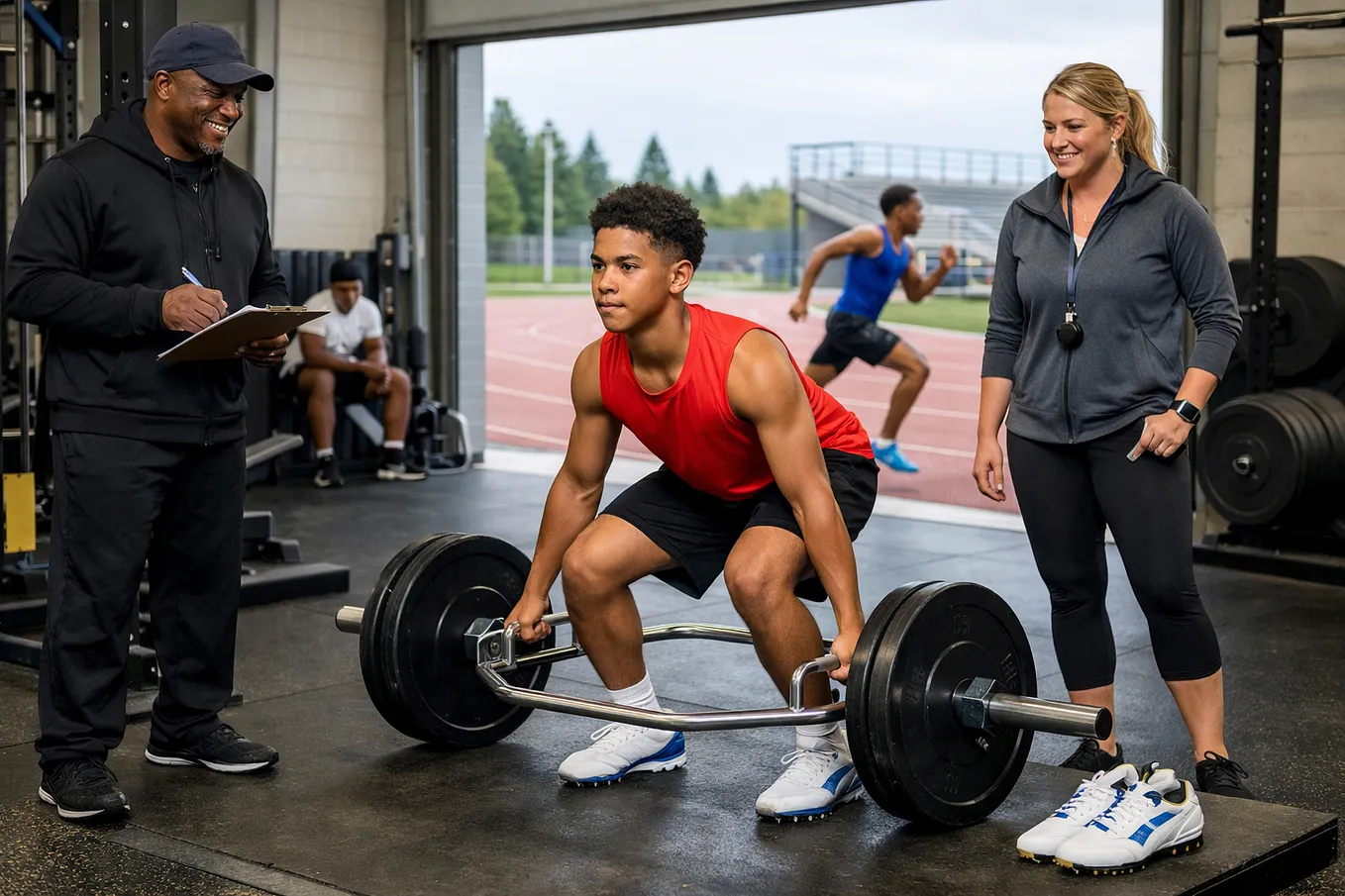
- Strength train: Two sessions per week to build bone and tendon capacity (hips, calves, feet, trunk).
- Track health, not just splits: Log sleep, mood, cycles, soreness. Treat menstrual changes as medical data. Olympics
- Build a safe culture: No weigh-ins, no weight targets, no comparison talk. Educate coaches and captains on RED-S/Triad warning signs. iro.uiowa.edu
Key Takeaways
- Many girls fade because their training and fueling don’t match rapid growth and race demands.
- RED-S/Triad signs are major injury multipliers; menstrual dysfunction is a medical red flag.
- Early specialization and big load spikes increase overuse injuries and burnout risk.
- Iron deficiency is common and treatable; test and address it before chasing more miles.
- A supportive, educated adult team prevents more DNFs than any workout plan.
References
Mountjoy, M., et al. (2023). IOC consensus statement on Relative Energy Deficiency in Sport (REDs). Br J Sports Med. Open access. Olympics
Mountjoy, M., et al. (2018). IOC consensus statement on RED-S: 2018 update. Br J Sports Med. Open access. Olympics
Rauh, M. J., et al. (2014). Associations between the Female Athlete Triad and injury among high school runners. Clin J Sport Med. Open access. PMC
Bishop, M. E., et al. (2021). Bone stress injuries in female athletes. Annals of Joint. Open access.
Krabak, B. J., et al. (2021). Youth running consensus: Minimising injury and illness risk. Br J Sports Med. Open access.
Mosher, A., et al. (2021). Revisiting early sport specialization. Frontiers in Sports & Active Living. Open access.
Pengelly, M., et al. (2024). Iron deficiency, supplementation, and sports performance. Sports Medicine — Open. Open access.
Tønnessen, E., et al. (2015). Performance development in adolescent track athletes. Scand J Med Sci Sports. Open access. PMC
University of Iowa (Unke, M.). (2024). Knowledge of the Female Athlete Triad and RED-S among high school running coaches (Master’s thesis). Open access. iro.uiowa.edu
Wayner, R. A., et al. (2024). Epidemiology of bone-stress injuries in collegiate athletes. Orthopaedic Journal of Sports Medicine. Open access.
Forester, E., et al. (2023). Amenorrhea and stress fractures in New Jersey female cross-country athletes. Journal of Women’s Sports Medicine. Open access.
Mary Cain, N.Y. Times Op-Doc (2019) and settlement coverage (2023). Open access sources.
Baxter injury reports (2014). Ventura County Star archives & MileSplit. Open access. sportrxiv.org
Christine Babcock collegiate bio noting foot/Achilles injuries. University of Washington Athletics. Open access.
Rohrer injury reports (2013–2015). DyeStat & MileSplit features. Open access.