AI Is Not Replacing You — It’s Saving You


For years, every major technological shift has come with the same fear: “Will this replace my job?” From the industrial revolution to the rise of the internet, change has always triggered anxiety. Today, artificial intelligence (AI) sits at the center of that fear.
Scroll through social media and you’ll see headlines predicting mass job losses, robots taking over offices, and humans becoming irrelevant. But the reality is far more practical — and far more hopeful.
AI is not replacing you.
AI is saving you.
It’s saving your time, your energy, and your mental bandwidth so you can focus on what truly matters.
The Real Problem Isn’t AI — It’s Overload
Modern work isn’t hard because people lack skills. It’s hard because people are overwhelmed.
Emails, meetings, deadlines, notifications, reports, data entry, repetitive tasks — most professionals spend more time managing work than actually doing meaningful work.
According to productivity studies, knowledge workers spend a large portion of their day on repetitive, low-value tasks. This constant context switching leads to burnout, decision fatigue, and reduced creativity.
AI didn’t appear to take your place.
It appeared to take away the parts of your job that were draining you.
AI as a Time Multiplier, Not a Job Killer
AI tools excel at tasks that are:
- Repetitive
- Predictable
- Time-consuming
- Rule-based
Think about what that includes:
- Drafting basic emails
- Summarizing long documents
- Organizing data
- Scheduling meetings
- Generating outlines or first drafts
- Analyzing large datasets quickly
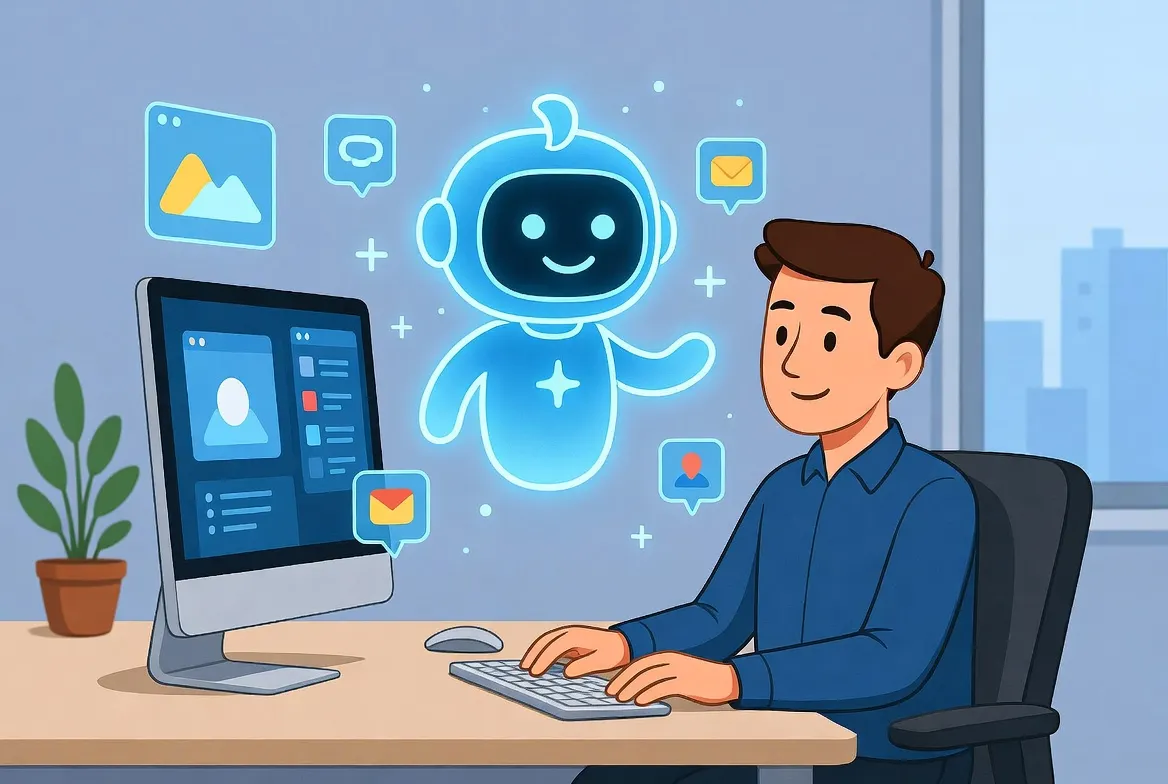
When AI handles these tasks, it doesn’t eliminate your role — it amplifies it.
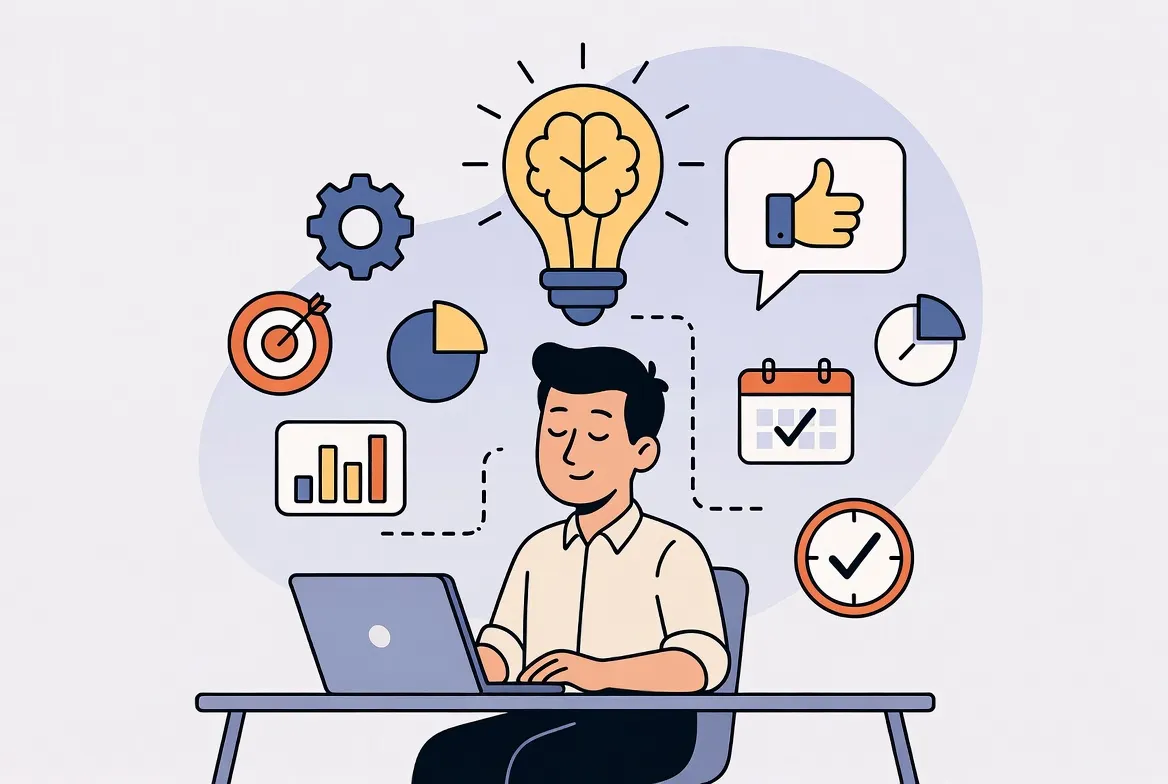
Instead of spending hours on busywork, you can:
- Think more strategically
- Solve complex problems
- Communicate better
- Learn new skills
- Focus on creativity and decision-making
AI becomes a productivity partner, not a replacement.
Why AI Still Needs You
Despite its power, AI lacks what makes humans essential.
AI cannot:
- Understand emotional nuance the way humans do
- Make ethical judgments independently
- Build genuine trust and relationships
- Create original ideas from lived experience
- Lead, inspire, or mentor others meaningfully
AI can suggest.
Humans decide.
AI can generate options.
Humans choose the right path.
The most valuable skills in the AI era aren’t technical — they’re human:
- Critical thinking
- Communication
- Emotional intelligence
- Creativity
- Adaptability
These skills don’t disappear because of AI. They become more valuable.
Get Mamun Akondo’s stories in your inbox
Join Medium for free to get updates from this writer.
How AI Is Already Saving Professionals
Across industries, AI is quietly improving everyday work.
Writers and Marketers
AI helps brainstorm ideas, write drafts, optimize headlines, and analyze performance — allowing creators to focus on storytelling, strategy, and audience connection.
Developers
AI assists with debugging, documentation, and repetitive code, freeing developers to architect systems and solve higher-level problems.
Entrepreneurs and Freelancers
From automating customer support to analyzing market trends, AI reduces workload and enables solo workers to operate like small teams.
Students and Learners
AI explains complex topics, summarizes materials, and personalizes learning — saving hours while improving understanding.
In every case, AI isn’t removing humans.
It’s removing friction.
The Shift: From “Doing More” to “Doing Better”
The biggest change AI brings isn’t speed — it’s perspective.
Previously, productivity meant working longer hours.
Now, productivity means working smarter.
With AI handling routine work:
- Results matter more than effort
- Output matters more than hours
- Insight matters more than volume
This shift rewards people who know how to:
- Ask the right questions
- Use tools strategically
- Interpret information
- Turn data into action
AI gives you leverage — but only if you learn how to use it.
Fear Comes From Not Adapting
Jobs won’t disappear overnight — but roles will evolve.
People who refuse to adapt may struggle, not because AI replaces them, but because they ignore it. History shows this pattern clearly:
Those who learn new tools stay relevant.
Those who resist change get left behind.
Learning AI doesn’t require becoming a programmer. It requires curiosity and openness.
If you can:
- Experiment with AI tools
- Integrate them into your workflow
- Understand their strengths and limits
You don’t lose value — you gain it.
AI Is Giving You Back Something Precious
Time is the one resource you can’t buy more of.
AI gives you:
- Time to think
- Time to learn
- Time to rest
- Time to create
- Time to grow
Instead of replacing your intelligence, AI protects it from exhaustion.
The professionals who win in the future won’t be those who work the hardest — but those who work the smartest.