Pride Month Ends. The Work Doesn’t.


I studied social movements in college. I was lived in and around Greenwich Village and the West Village, and I learned queer rights history the way you learn it in a classroom, at the level of the movement. Stonewall. The marches. The court cases that carry names everyone recognizes. I could trace the arc. What I knew beyond a classroom, I knew through people. Some of my closest friends and family are queer, and I learned the struggle through their lived experiences.
What I did not understand then is that a movement is not an arc. It is a pile of moments, most of them local, most of them unrecorded in any syllabus. I am learning that part now.
I marched in Manhattan many times. I never once went to Pride in Queens, where I live, until this year. Astoria Has Pride, a picnic at Socrates Sculpture Park a few blocks from my door, was the first. My own backyard, and it took me until 2026 to make it there.
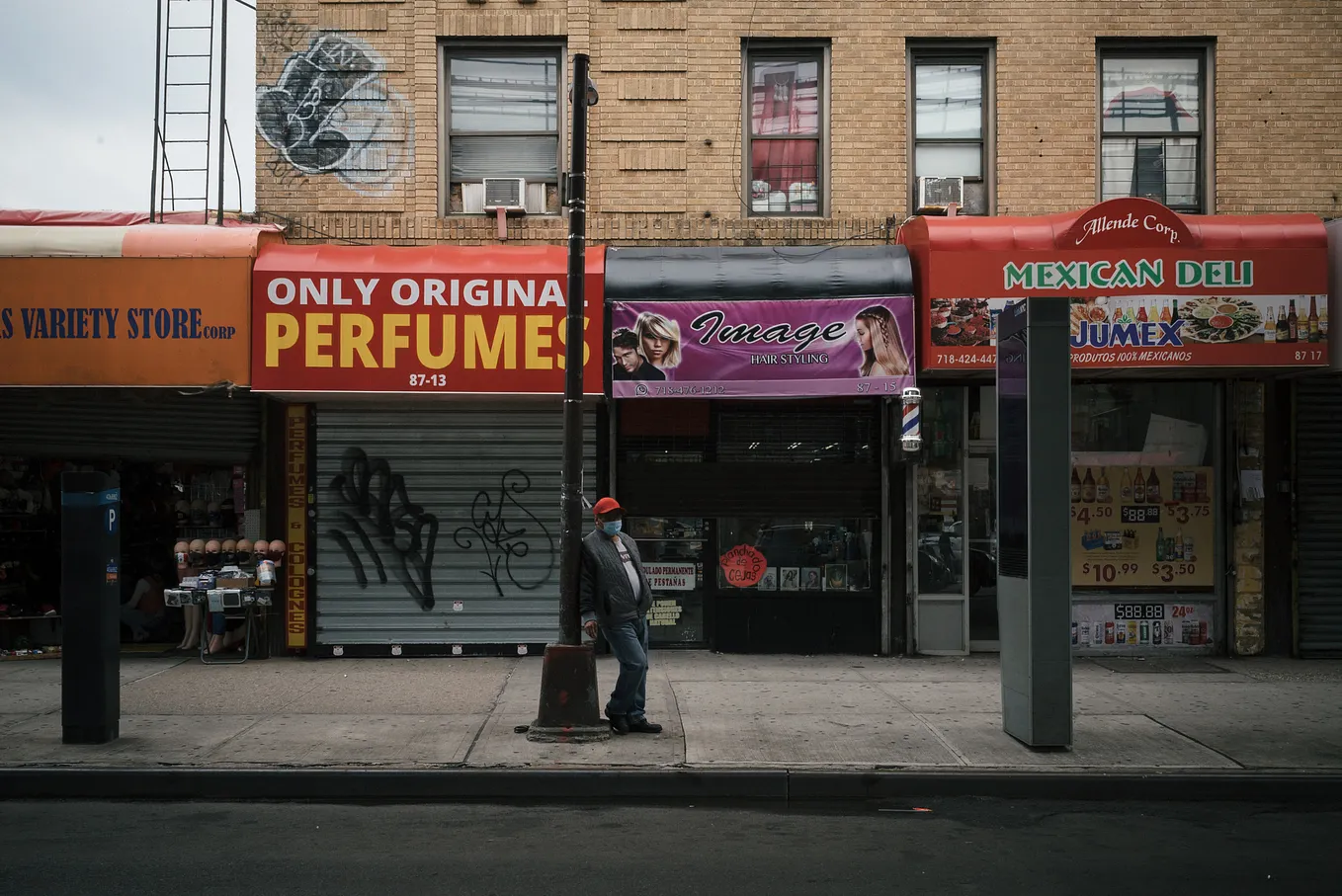
So when I started reading the history underneath it, most of it was new. Here is one piece I did not know. The corner of 78th Street and 37th Avenue in Jackson Heights is named for Julio Rivera. In July 1990 three men beat and stabbed him to death in a schoolyard there. The police first called it drug-related. The community refused that story, and the case became the first anti-gay hate crime tried in New York State. A schoolteacher named Daniel Dromm came out publicly and, with activist Maritza Martinez, started a parade in response in 1993. That is where Queens Pride comes from. It was never a party first. It was an answer to a murder the city wanted to file away.
That gap is the reason I am writing this. I had the movement and not the moments. I knew the Village and the marches and the court cases that carry names everyone recognizes. I did not know the corner a few subway stops from my apartment. My allyship did not come with the local knowledge attached, and the moments are where the work actually lives.
Because the easy version of allyship is the June version, and for years it was mine. I showed up, I waved, I posted the photo, and then the calendar turned and the work went back to the queer people who were carrying it all along. The floats are the celebration. They are not the work. The work is the eleven months nobody is watching, and most of it is local enough that I had to go learn it.
Here is what makes this year different. The pressure on LGBTQ people, and on trans people most of all, is no longer abstract or far away.
Get Shivani Dhir’s stories in your inbox
Join Medium for free to get updates from this writer.
In June 2025 the Supreme Court upheld Tennessee’s ban on gender-affirming care for minors in United States v. Skrmetti. The same month, in Mahmoud v. Taylor, the court ruled that schools must let parents pull their kids out of lessons that use LGBTQ storybooks. This past March, in Chiles v. Salazar, the court did not strike down Colorado’s ban on conversion therapy, but sent it back to be re-judged under a tougher First Amendment standard, which puts bans like it at risk nationwide. The Trump administration restricted passports for trans people, moved to bar them from military service, and ended the LGBTQ youth option on the national suicide hotline. None of that is rhetoric. Each one is a mechanism that reaches into a specific life.
New York pushed the other way. In November 2024 voters wrote anti-discrimination protections for sexual orientation and gender identity into the state constitution. The state’s shield laws protect doctors and patients who provide and receive gender-affirming care from out-of-state subpoenas. The split is the whole story. Where you live now determines what rights you keep, and we happen to live somewhere that still chooses to protect people.
That is necessary. It is not sufficient. A constitutional amendment does not pay a trans woman’s rent when she is fired, and a shield law does not help the kid who never hears that care exists. A declaration of rights is the floor, not the ceiling, and they hold only as long as the people who built them keep showing up to fund and defend them.
This spring the city built something new. On March 13, 2026, Mayor Mamdani signed an executive order creating the Mayor’s Office of LGBTQIA+ Affairs, the first standalone city office of its kind. He named Taylor Brown to run it, the first transgender person to lead a city office. The office absorbs the older Unity Project that Chirlane McCray started in 2017, so it is new but not invented from nothing. Its job is to help city agencies protect LGBTQ New Yorkers and to defend the city’s sanctuary protections for people fleeing other states. An office is a start, not a finish. Whether it gets real money in the next budget is the test. Watch the budget, not the press conference.
The City Council did its part first. In April 2025 it passed the Protect Trans Futures package, five laws that advocates called the strongest set of trans safety bills passed anywhere in the country. One of them, the Affirm Act, lets a patient countersue when an out-of-state actor comes after them for care they received legally in New York. Two of the council members who built that package represent us. Tiffany Cabán, who once chaired the committee on women and gender equity, sponsored one of the five laws. Julie Won has steered council money to LGBTQ programs in the neighborhood, from SunnyPride to Drag Story Hour to the Queens Pride parade. This is what structural allyship looks like. It is written down. It has bill numbers. It is also still not enough on its own, which is where you come in.
The year-round version is harder, and it is the one I am trying to learn. Here is where it starts.
Money first, and monthly. The Caribbean Equality Project in Richmond Hill serves Afro- and Indo-Caribbean LGBTQ immigrants and is raising money to build the city’s first Caribbean LGBTQ center. Queens Pride House in Jackson Heights is the borough’s main LGBTQ community center. The LGBT Network runs free HIV testing and the Queens Pride parade itself. Generation Q gives queer teenagers a place to go after school. Make the Road New York organizes trans immigrant workers and last year opened a permanent home in Corona. The Ali Forney Center, the city’s largest provider of housing for homeless LGBTQ youth, runs emergency housing in Queens with a waiting list that regularly runs about 200 kids deep. Monthly matters more than a one-time June gift, because federal cuts are squeezing all of them at once.
Then time, where there is a standing need. The Anti-Violence Project trains hotline counselors. The Queens Center for Gay Seniors needs people who will sit with older LGBTQ New Yorkers who have outlived a lot of their friends.
Then where the money goes the rest of the year. Friend’s Tavern on Roosevelt Avenue is the oldest gay bar in Queens and has been a refuge for LGBTQ Latino immigrants since 1989. Albatross is the oldest gay bar in Astoria. Fresco’s Cantina in Astoria runs the drag brunch and started Astoria Has Pride in the first place. These are small businesses owned by your neighbors. They keep the lights on in February, not just in June.
I sat on the grass in my own neighborhood this year for the first time, twenty minutes from an apartment I have lived in for years. The festival was the easy part. Learning what it sat on top of was harder, and it is not finished. The eleven months are the test, and I am only starting to take it. One organization. One business. One event. Then again next month, when no one is watching and the floats are gone. I am starting where I should have started a long time ago. In my backyard.