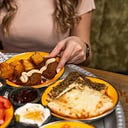
Estonian Cuisine: Black Bread and Traditional Preserves.

Estonian food is a great impression of the country’s rich normal assets, horticultural practices, and social impacts. Among its most esteemed culinary fortunes are **black bread** and an assortment of **traditional preserves**. Together, these components outline the substance of Estonian cooking, displaying its association with the land and its occasional abundance.
Dark Bread: The Core of Estonian Cooking.
Dark bread (must leib) is something other than a staple in Estonia; it is a social symbol and a wellspring of public pride. Commonly produced using rye flour, this dim, thick bread epitomizes the flavors and customs of the area.
Attributes of Dark Bread.
1. Flavor and Texture.
Estonian dark bread is known for its vigorous, somewhat acrid taste, which it creates during the aging system. The surface is generous and thick, with a chewy outside and delicate, damp inside. A few varieties might incorporate seeds, for example, caraway or fennel, which add profundity to the flavor.
2. Culinary Uses.
Dark bread is basic to Estonian dinners, frequently served close by soups, stews, and primary dishes. It can likewise be utilized as a base for open-confronted sandwiches, finished off with a variety of fixings like restored meats, cured herring, or nearby cheeses. The flexibility of dark bread makes it an ideal backup to both customary and contemporary Estonian food.
3. Cultural Significance.
Prepared in homes and pastry kitchens the same, dark bread is an image of Estonian personality. It frequently assumes a focal part in festivals and customs, like weddings and occasions. Generally, the principal portion of bread prepared in another house is praised as an image of success and favorable luck.
Customary Jam: A Sample of the Seasons.
In Estonia, conventional jams are a fundamental piece of the culinary scene, mirroring the occasional overflow of organic products, berries, and vegetables. These jams not only give a method for getting a charge out of occasional produce all year yet additionally feature the country’s creativity in food conservation.
Sorts of conventional jelly.
1. Berry preserves.
Estonia is wealthy in wild berries, including bilberries, lingonberries, and cloudberries. These berries are frequently made into jams and jams, catching the pith of summer in a container. The pungency of these berries coordinates wonderfully with dark bread, making for a straightforward yet magnificent treat.
2. Vegetable Pickles.
Pickling is a typical technique for saving vegetables in Estonia. Cucumbers, beets, and cabbage are frequently matured or salted with a blend of flavors, vinegar, and now and then sugar. These pickles are regularly filled in as side dishes, adding tang and smash to feasts.
3. Apple and Pear Preserves.
Apples and pears flourish in Estonia, and conventional jam produced using these natural products is well known. They might be changed into compotes or chutneys, giving a sweet differentiation to flavorful dishes.
4. Sauerkraut.
While ordinarily connected with different societies, sauerkraut has an extraordinary spot in Estonian food. Produced using matured cabbage, it is frequently served close to meat and is a staple throughout the cold weather months, featuring the significance of saving nourishment for long-haul stockpiling.
Conventional Dishes Highlighting Dark Bread and Jelly.
1. Kama.
A conventional dish produced using a mix of broiled grains, kama is frequently presented with yogurt or buttermilk and can be delighted in with a spoonful of berry preserve on top for a magnificent blend of flavors.
2. Open-Confronted Sandwiches.
Known as **võileivad**These sandwiches include thick cuts of dark bread finished off with different fixings like smoked fish, cheddar, and cured vegetables, frequently getting done with a touch of berry jam for added pleasantness.
3. Sült.
This conventional jellied meat dish is frequently presented with dark bread and pickles, displaying the equilibrium of exquisite and tart flavors that describe Estonian cooking.
Get Sidrabatool’s stories in your inbox
Join Medium for free to get updates from this writer.
Estonian cooking, with its accentuation on healthy fixings and customary strategies, offers a brief look into the country’s rural legacy and social personality. Dark bread and conventional jam are not simply food things; they are images of local area, manageability, and the profound association between the Estonian public and their territory. Together, they make a culinary encounter that is both consoling and nostalgic, welcoming everybody to relish the kinds of Estonia’s rich culinary legacy. Whether delighted in at home or in a clamoring market, these components catch the quintessence of Estonian neighborliness and the excellence of its regular assets.