“The Complete Guide to Crafting a Winning University Application”


When applying to universities, understanding the various components of the application process is crucial for a successful submission. This guide will walk you through each element, providing detailed information and practical tips to help you navigate the process smoothly.
Academic Transcripts
What are They? Academic transcripts are records of your educational history, including courses taken, grades earned, and dates of attendance.
When are They Required?
- In the UK, universities generally request transcripts for 10th and 12th-grade courses when applying for undergraduate programs.
- In Canada, transcripts are usually required from the 10th grade to your highest level of education.
How to Submit:
- Obtain Your Transcripts: Contact your school to obtain copies of your most recent academic transcripts, typically from 10th or 12th grade.
2. Check Institution Requirements: Review the specific requirements of the institution you’re applying to. Some accept electronic copies, while others demand originals or certified copies.
3. Submission Methods:
- Online: Institutions accepting electronic copies usually provide an application portal where you can upload scanned transcripts.
- Mail: For institutions requiring physical copies, send your transcripts to the admissions office.
- In-Person: If feasible, submit your transcripts in person at the institution’s admissions office.
Statement of Purpose (SOP)
What is it? A Statement of Purpose is a written document explaining your motivations for pursuing a particular undergraduate program.
How to Submit:
- When you are applying to a university, you will have the opportunity to upload or copy and paste your Statement of Purpose (SOP) as part of the application process. Most universities offer an online application system where you can create an account, complete the application form, and upload or enter your SOP and other necessary documents.
References or Supporting Letters
What are They? Undergraduate applications usually require at least two or three letters of recommendation from referees, such as teachers, professors, or employers.
How to Submit:
- During the application process, provide your recommenders’ (teachers, professors, or employers) contact information (email addresses). The university’s system will send them an email to your recommenders with instructions on submitting their Letters of Recommendation (LORs). This email will usually include a link to the special portal or page on the university’s website where they can upload their LORs.
- It’s important to inform your recommenders that they will be receiving an email from the university and to ask them to look out for it in their inbox. If they do not receive the email, they should check their spam or junk mail folders.
Resume/Curriculum Vitae (CV)
When is it Required? While not commonly requested for undergraduate admissions in the UK, US, or Canada, certain programs or institutions may ask for a CV.
How to Submit:
- Some colleges and universities may ask you to submit a resume or CV as part of your application packet1. In this case, you should follow the instructions provided by the college or university on how to submit your CV. Follow the provided instructions for CV submission, which may include uploading it to an online portal, emailing it, or including it with other application materials.
- If the college or university you are applying to does not specifically request a CV or resume, you may still choose to include one with your application to provide additional information about your academic achievements, extracurricular activities, work or volunteer experience, and unique skills. In this case, you should follow the general application instructions provided by the college or university on how to submit supplemental materials.
Entrance Exam Scorecards
What are They? Entrance exam scorecards, such as SAT/ACT scores, are often required for undergraduate courses.
How to Submit:
- For the SAT, you can send your scores to up to four colleges or scholarship programs for free at the time of registration or on the test day for up to nine days after the test date. After that, you have to pay $12 for each additional score report you send.you can send your scores to colleges and universities by logging into your College Board account and selecting the “Send Scores” option. You can then choose the colleges and universities you want to send your scores to and pay any applicable fees.
- For the TOEFL, you can send your scores to up to four institutions for free when you register for the test or on the test day. After that, you have to pay $20 for each additional score report you send. you can send your scores by logging into your ETS account, selecting the “View Scores” option, and then choosing the “Send Additional Score Reports” option. You can then select the institutions you want to send your scores to and pay any applicable fees.
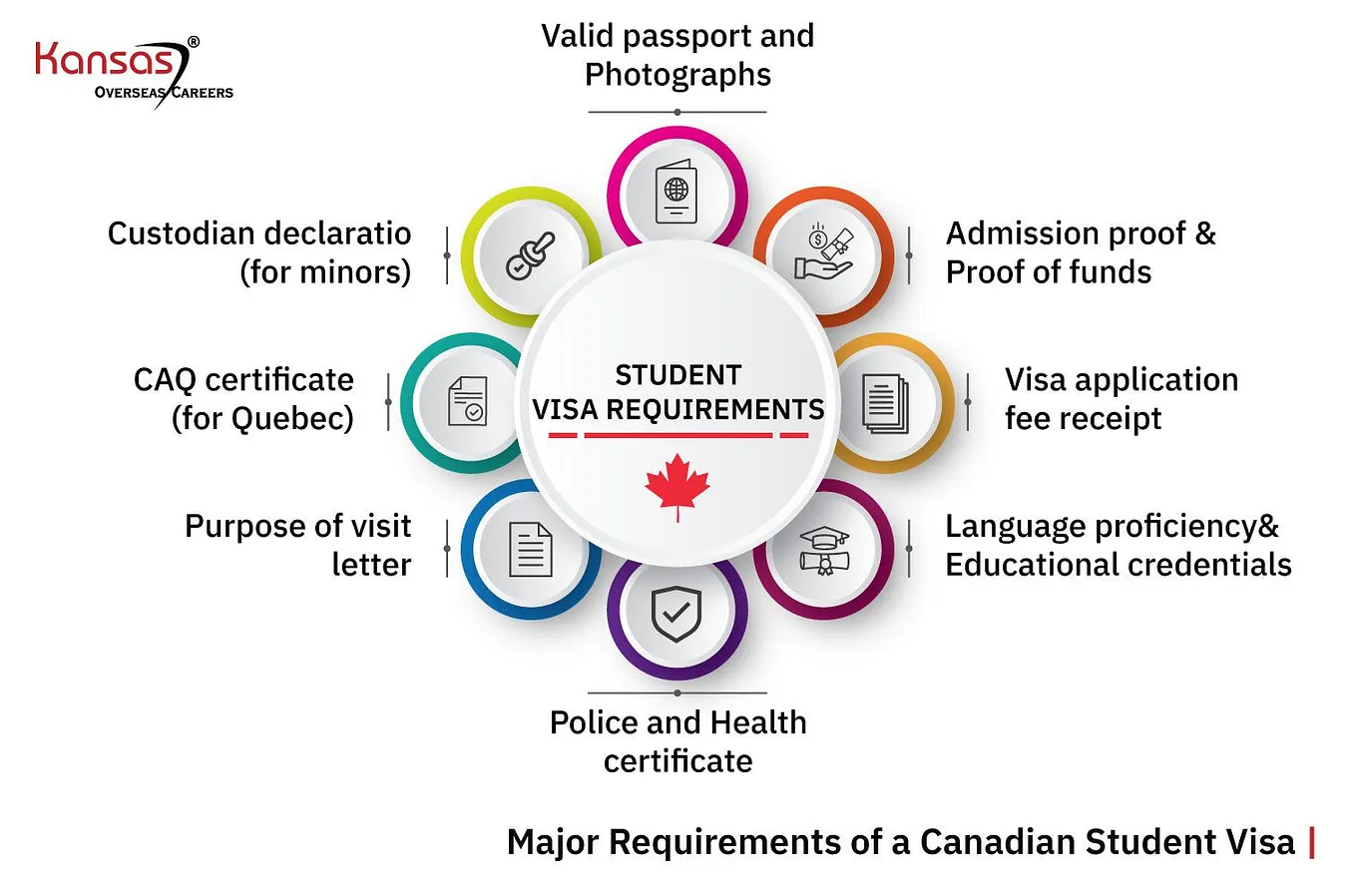
Passport
- Passport Checklist:
- Before you begin your university application process, review these important passport-related considerations:
- Check Expiration Date: Ensure your passport is valid for at least six months beyond your intended stay in the host country. Renew it if necessary to avoid complications.
- Keep Copies: Make multiple copies of your passport’s main page (containing your photo and personal details). Store these separately from your passport itself, ideally in digital and physical formats.
3. Emergency Contact: Share a copy of your passport and travel itinerary with a trusted friend or family member. In case of loss or theft, having access to these documents can expedite assistance.
4. Visa Requirements: Research the specific visa requirements of your intended study destination. Different countries may have varying documentation needs.
Get sneha sarkar’s stories in your inbox
Join Medium for free to get updates from this writer.
5. Passport Photos: You may require additional passport-sized photos for visa applications and other official documents. Be prepared with extras.
6. Keep It Secure: While studying abroad, safeguard your passport in a secure location, such as a hotel safe or a locked drawer in your accommodation.
7. Check for Visa Pages: Ensure your passport has enough blank visa pages for any required stamps or visas. If not, consider getting additional pages added or renewing your passport.
“Additional Documents Required for Indian University Applications.”
If applying to an institution in India, additional documents like Class 10/SSLC Marks Card, Two-Year PUC or Class 12 Marks Card, Transfer Certificate, Migration Certificate, and a copy of your Aadhaar Card may be necessary.
Sample Recommendation Letter:
Subject: Recommendation for [Student’s Name]
Dear [Recipient’s Name],
I am writing to highly recommend [Student’s Name] for [Purpose of the Recommendation]. As [Your Title/Position], I have had the pleasure of knowing [Student’s Name] for the past [Number of Years/Months] at [Your Institution’s Name].
During this time, I have been consistently impressed by [Student’s Name]’s dedication, diligence, and academic prowess. They have consistently performed at the top of their class in all subjects, demonstrating a deep understanding of a wide range of topics.
[Student’s Name] is not only academically gifted but also displays a level of maturity and responsibility beyond their years. They are always willing to help their peers and actively participate in class discussions, often providing unique insights.
In addition to their academic achievements, [Student’s Name] has also been an active participant in extracurricular activities such as [Mention Extracurricular Activities], further showcasing their dedication and leadership skills.
I am confident that [Student’s Name] would be an excellent fit for your [Institution/Program/Scholarship]. They have my highest recommendation, and I am confident that they will continue to excel in their future endeavors.
Please feel free to contact me if you need any further information.
Best regards,
[Your Name]
[Your Contact Information]
Sample CV:
John Doe
Contact Information: 123 Main Street, Anytown, USA johndoe@example.com (123) 456–7890
Objective: Experienced professional seeking to leverage an extensive background in project management, customer service, and coding in a software development position.
Education:
- Bachelor of Science in Computer Science, University XYZ, 2015–2019
Work Experience:
- Software Developer, ABC Company, 2019-Present
- Developed and maintained code for in-house software applications.
- Debugged and resolved technical issues.
- Managed project timelines and work updates using Agile methodologies.
- Customer Service Representative, DEF Company, 2015–2019
- Handled customer inquiries and complaints.
- Provided information about products and services.
- Maintained customer records and updated account information.
Skills:
- Proficient in Java, C++, HTML, CSS, and JavaScript.
- Excellent problem-solving abilities.
- Strong communication skills.
Certifications:
- Certified Professional in Java Programming, Oracle, 2020
Volunteer Experience:
- Coding Instructor, Local Youth Coding Camp, Summers 2017–2019
References: Available upon request
By following this comprehensive guide, you’ll be well-prepared to tackle the university application process, ensuring that you provide all necessary documents accurately and on time.