The Quiet Work of Diplomacy

A reflection on dialogue, restraint, and the unseen side of international relations
In recent weeks, much of the global conversation has been shaped by rising tensions, uncertainty, and the possibility of escalation in different regions of the world. Headlines tend to focus on conflict, strategic competition, and the visible moments when diplomacy appears to fail. Yet behind these moments, there is another side of international relations that receives far less attention. Diplomacy often operates quietly, through ongoing conversations, informal channels, and continuous efforts to prevent situations from escalating further. It is rarely visible, and when it works, it often goes unnoticed.
Get Sofia Rodriguez’s stories in your inbox
Join Medium for free to get updates from this writer.
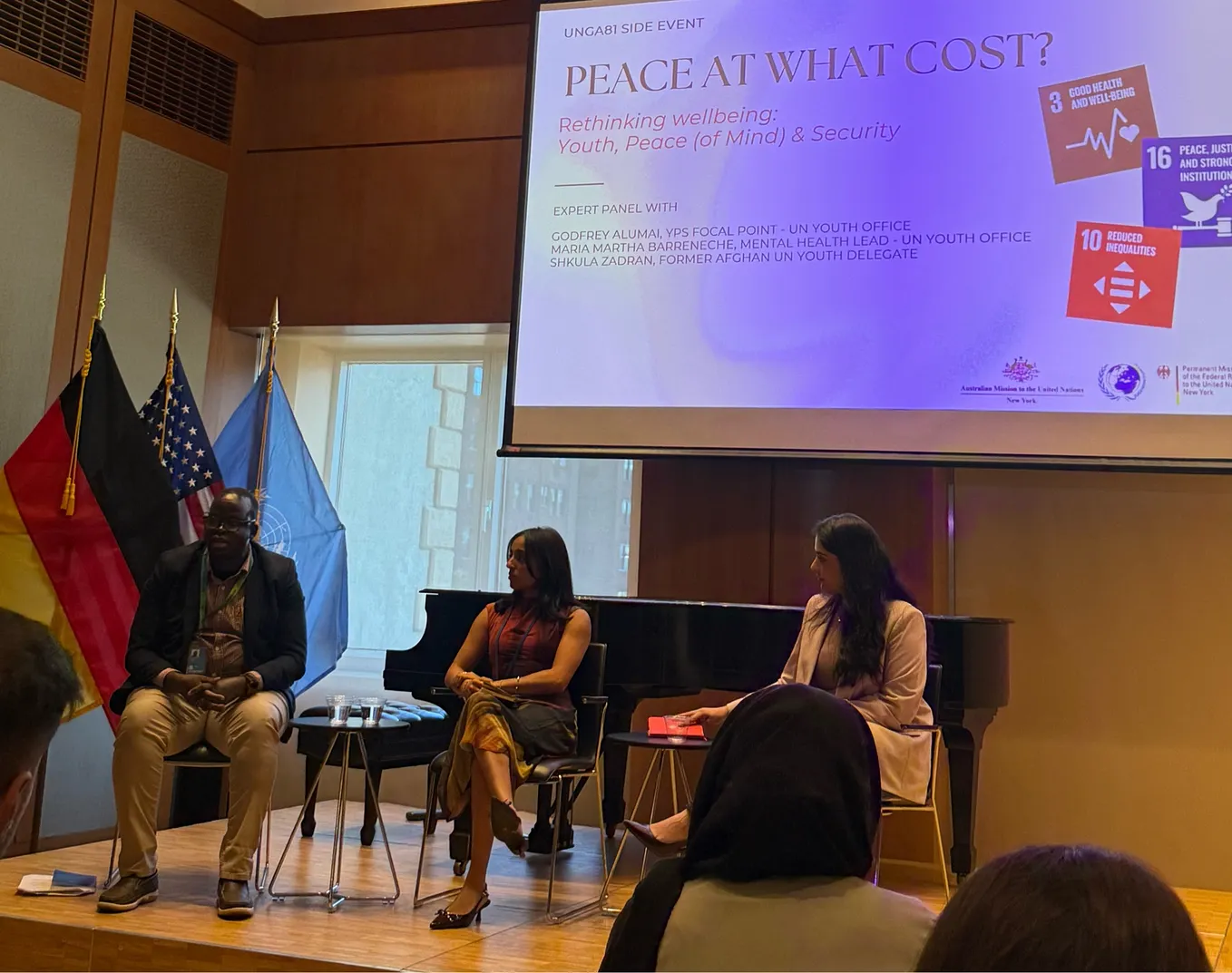
In periods of heightened tension, the role of dialogue becomes both more difficult and more necessary. Maintaining communication between actors, even when disagreements are deep, is one of the few tools available to reduce uncertainty and avoid unintended consequences. International institutions, including the United Nations, play an important role in sustaining these channels, helping preserve space for dialogue even when political positions appear far apart. At the same time, diplomacy today is not limited to formal negotiations between governments. It also takes place through networks of institutions, experts, and international organizations that contribute to shaping understanding and facilitating communication across borders.
What makes diplomacy particularly complex is that its success is often measured by what does not happen. When tensions do not escalate, when communication is maintained, or when agreements are quietly reached, these outcomes rarely become headlines. Yet they remain essential to the functioning of the international system. In a global environment increasingly defined by uncertainty, the value of these quieter efforts becomes more evident. While political discourse often emphasizes strength and positioning, long-term stability continues to depend on the ability of actors to engage, listen, and negotiate. Ultimately, diplomacy is not only about resolving conflicts once they arise, but about maintaining relationships and preserving the conditions that make cooperation possible, even in moments when it seems most fragile.