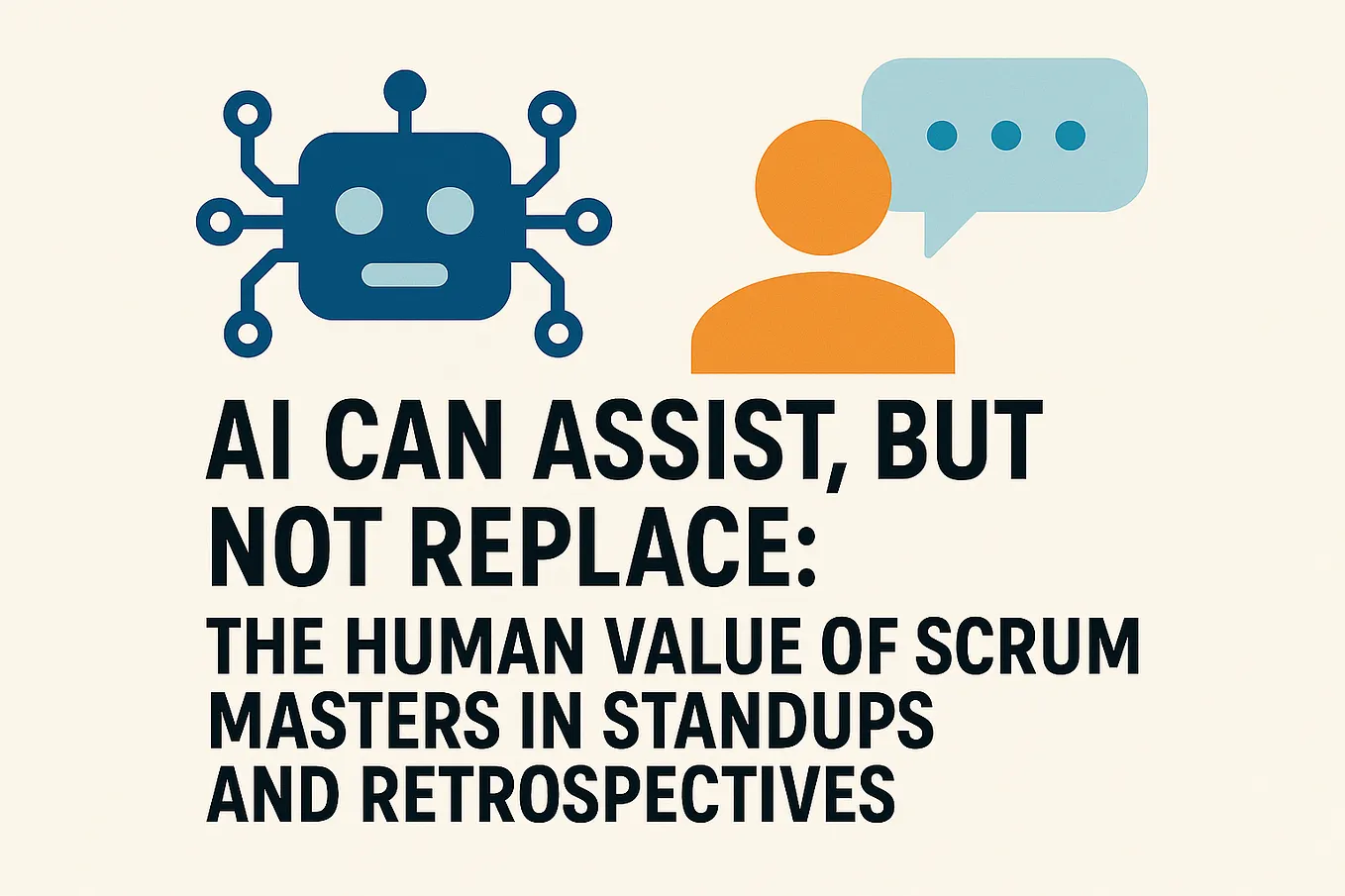
Agile Transformation: Herding Cats or Leading Teams?

Mastering Agile Transformation: Lessons from Leading Program Management at Scale

Title: “Agile Transformation: Herding Cats or Leading Teams?”
If you’ve ever tried to get multiple teams to align on an Agile framework, you’ll know it’s a bit like herding cats — except the cats have opinions, deadlines, and a love for post-it notes. As someone who has spent 9+ years juggling timelines, budgets, and the occasional existential crisis, I’ve learned a few lessons about managing Agile transformations at scale. And spoiler alert — it’s not all about standups and sprints.
Lesson 1: Agile Isn’t a Buzzword — It’s a Lifestyle
Let’s start by addressing the elephant in the sprint room. Agile isn’t about throwing in a Scrum or Kanban board and hoping for the best. It’s a mindset that requires commitment — and possibly therapy — especially when scaling it across teams.
One of my earliest projects involved transitioning three teams to Agile simultaneously. Picture this: half the team was excited, the other half thought Agile was just another passing fad, and I was somewhere in between, holding a backlog and praying the burndown chart wouldn’t flatline. The key? Communication. Lots of it. Daily standups turned into therapy sessions, and retrospectives sometimes ended with chocolate cake — but it worked.
Lesson 2: Tools Don’t Solve Problems — People Do
Jira is great, Confluence is fantastic, and Slack can be a lifeline — but no tool can replace actual conversations. At one point, my team got so obsessed with updating Jira tickets that we forgot to talk to each other. The result? Tasks were moving across the board, but progress was slower than a Windows update.
Get Sonal Agarwal’s stories in your inbox
Join Medium for free to get updates from this writer.
The fix was simple — weekly sync-ups with no laptops. Just whiteboards, markers, tea and coffee. It reminded everyone that collaboration is about humans first, tools second.
Lesson 3: Transparency Isn’t Scary — It’s Your Best Friend
Agile preaches transparency, but let’s be honest — it’s not always easy to show your flaws, especially when the sprint review is staring you down like a judgmental auditor. I’ve had teams admit mid-sprint that they underestimated effort, and guess what? The world didn’t end. Instead, we used it as an opportunity to pivot, adjust priorities, and yes — blame it on scope creep.
Transparency builds trust, and trust builds teams that can weather setbacks without pointing fingers (or throwing keyboards).
Lesson 4: Celebrate the Chaos — It Means You’re Growing
No Agile transformation is smooth. If yours is, you’re probably doing it wrong. Embrace the chaos — it’s a sign of progress. I remember launching a project with shifting requirements, multiple stakeholders, and timelines tighter than skinny jeans. It wasn’t pretty, but it forced us to stay adaptive, focused, and oddly enough — creative.
In the end, we delivered, and the chaos became part of the story we told to inspire future teams (and scare interns).
Final Thoughts: Agile Is a Journey, Not a Sprint
Scaling Agile isn’t about perfection; it’s about persistence. It’s about failing fast, learning faster, and occasionally bribing teams with pizza & pasta to keep morale high. My experience leading program management at scale has taught me that success comes from focusing on people, embracing transparency, and being okay with a little mess along the way.
So the next time someone asks if Agile is just a fancy way to hold more meetings, smile, hand them a post-it, and tell them it’s more like controlled chaos — and you wouldn’t have it any other way.