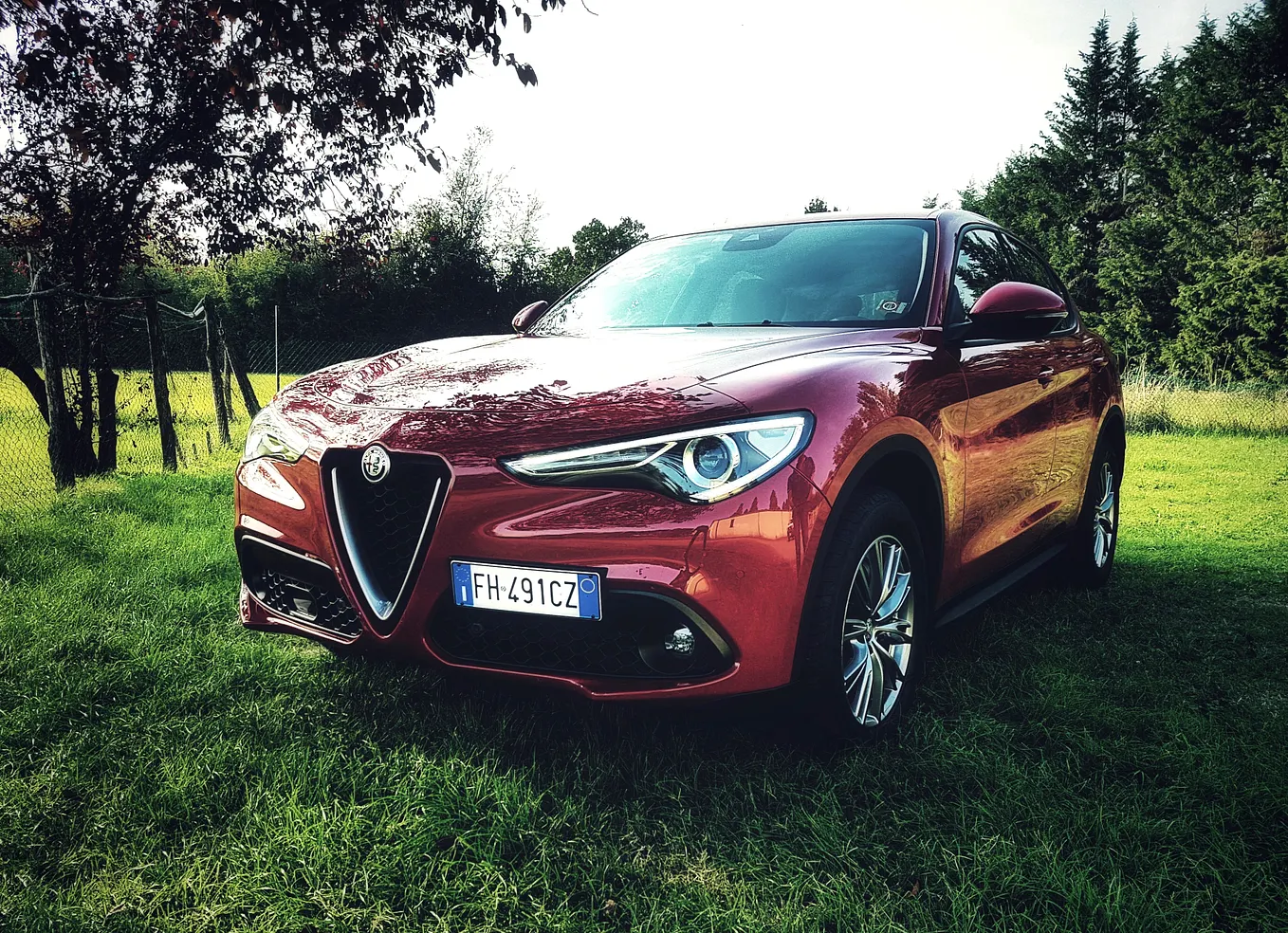
Lexus NX350h hybrid review


Three Years with a Lexus NX 350h F-Sport that’s sporty in name only.
The Italian car magazine Quattroruote calls it a “reliable traveler.” That could easily be the end of this review.
The powertrain is hybrid: a 2.5-liter four-cylinder petrol engine running the Atkinson cycle, paired with three electric motors. In the city, the combustion engine shuts off constantly and you glide between traffic lights in a silence that initially feels like something’s broken. Fuel consumption is low — not so much because of the electrification, but because of the car’s temperament.
It’s not slow. It has 244 horsepower. But the disconnect between input and the CVT’s response doesn’t exactly invite you to floor it. The steering follows the same philosophy: you turn, the car thinks about it. It’s a train. You climb aboard, hit the gas, take the Brenner Pass, and find yourself in Amsterdam. The key is to go straight. Its strength isn’t dynamics — it’s comfort.
The cabin is as luxurious and comfortable as you’d expect. There are gadgets I never knew I needed but now couldn’t live without: heated steering wheel, heated and ventilated seats, head-up display, climate control you can activate from your phone, 360-degree cameras without which I’d never park again. The ambient lighting offers sixty-four colors, so you can drive bathed in a Kyoto autumn if you like.
Get Stefano Iotti’s stories in your inbox
Join Medium for free to get updates from this writer.
On the margins of this technological abundance sits the electric door opening system: an algorithm checks for passing cyclists or cars before unlocking. None of my passengers have ever managed to open the door without instructions.
The sound system turns every drive into a private concert hall. You listen to Kind of Blue cocooned in double-glazed silence and serenely accept being stuck in traffic.
The infotainment works. The 14-inch screen responds to touch. You can say “open the window” and it opens the window. Completely useless, but it hints at the future. After years of systems that required BBC-newsreader diction, it feels like a miracle.
The driver assistance maintains your lane, manages following distance, slows in traffic. You’re there — technically in command, practically free to think about something else.
You arrive and you’re not tired.
That’s the point.