we’re stuck

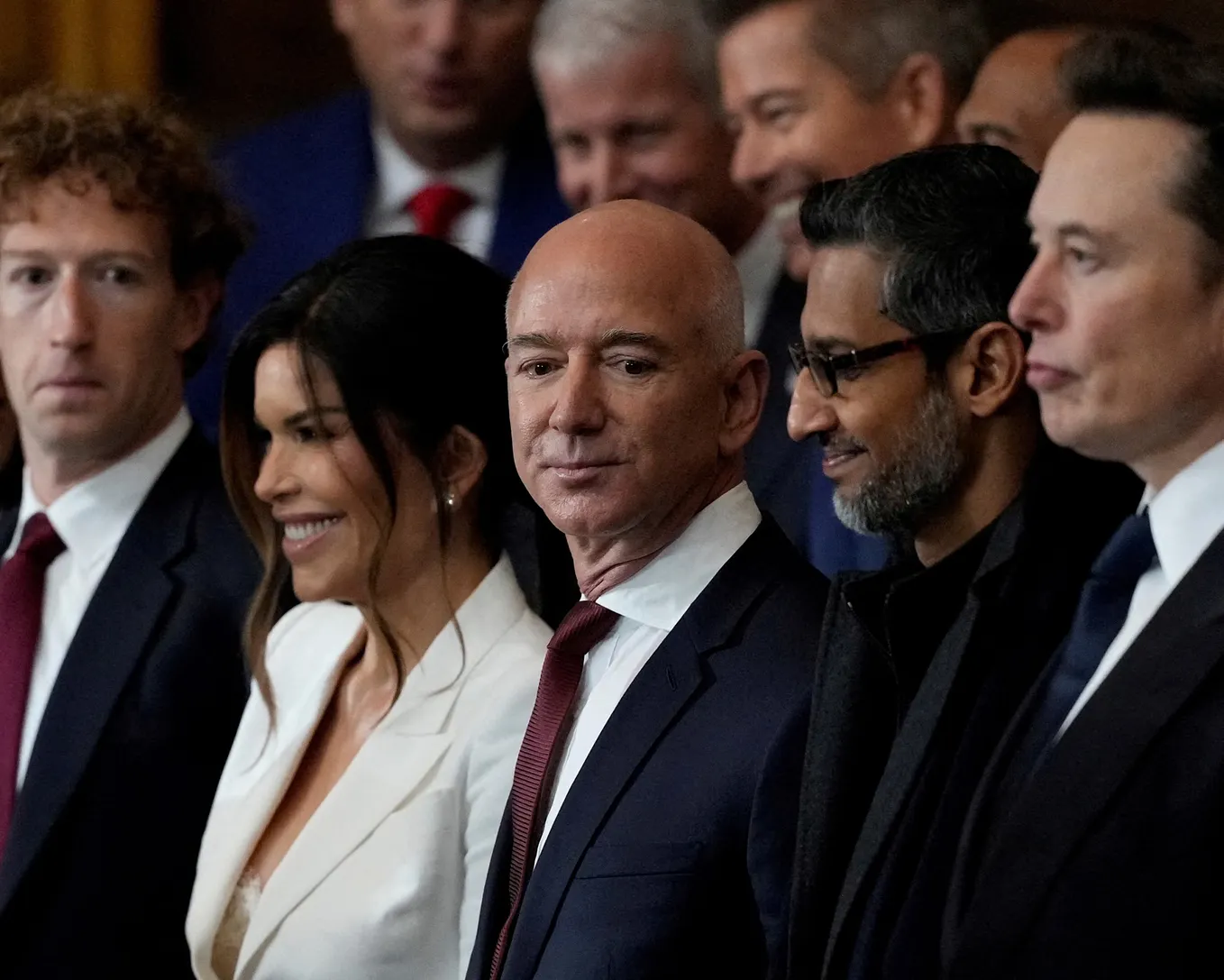
The large multinational corporations dominate the global economy. Their wealth and power are heavily influential within the political sphere. Aside from those who suck the teat, the rest of us suffer.
During the 19th century there had been an idea that a competitive free market would limit corporate power concentration (therefore: anti-trust legislation). The revisionist historians of the 1960s (William Appleman Williams, Gabriel Kolko, James Weinstein, Arno Mayer, Gar Alperovitz, Howard Zinn, Lloyd Gardner, etc.) showed the fallacy of that idea.
During the early part of the 20th century conservatives (governmental minimalists) of the Republican Party became the main political channel re: corporatism. Liberals of the Democratic Party espoused the idea that government could/should regulate capital; but once their candidates decided that they “need” to get funding from the corporations and the rich, the Democratic Party became part of the problem.
Alternatives:
Get Steven Welzer’s stories in your inbox
Join Medium for free to get updates from this writer.
Socialists recognize that the large corporations are bound to dominate politics and they advocate socialization. But concentrated wealth and power in the hands of the state is not a good idea and, moreover, it’s beyond the capability of the government to direct/coordinate a modern complex industrial economy.
Libertarians say that really free market competition would limit cartelization. But they’re naive about it (never happened, never will).
So: the status quo (characterized by corporate dominance) is not viable and neither alternative to the status quo is viable.
So: given the context of the modern complex industrial economy, we’re stuck.
(until that happy day when we deconstruct the modern complex industrial economy)