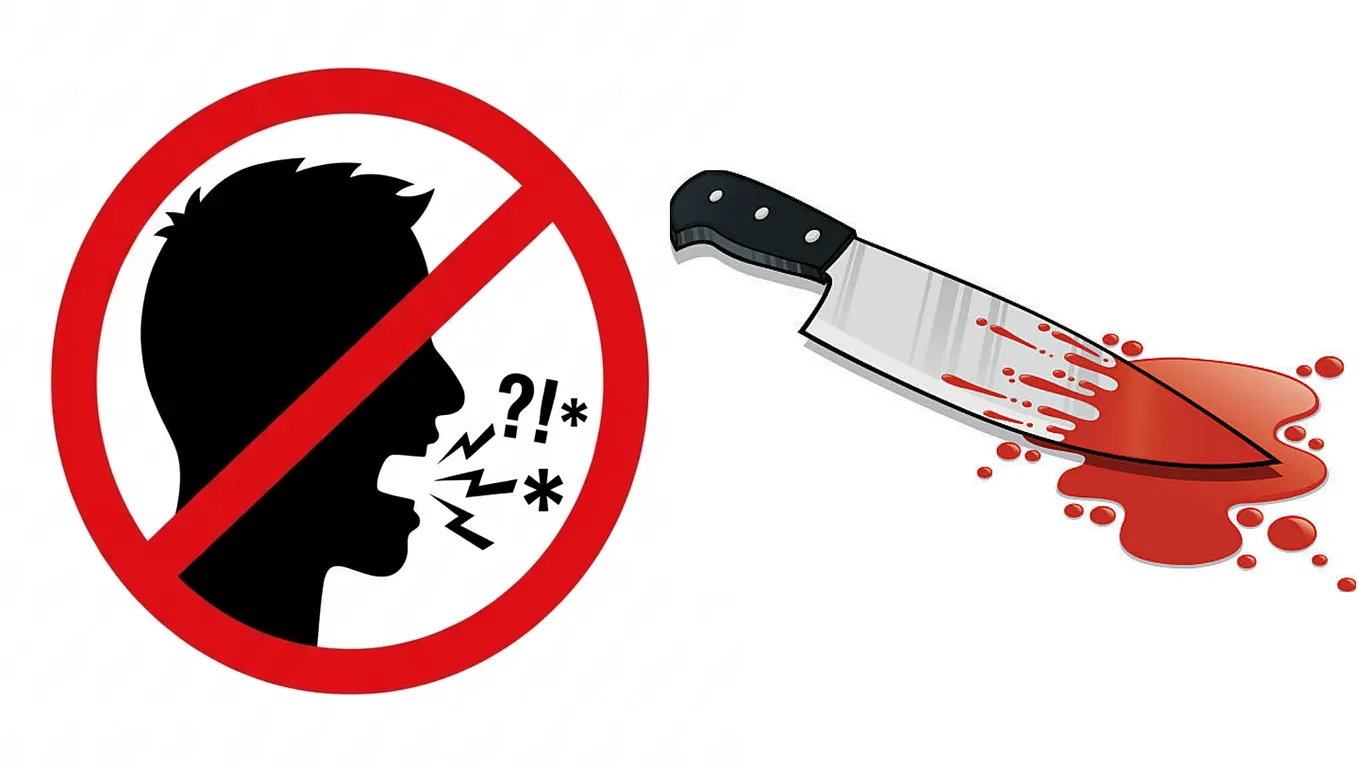
To meat or not to meat, that is the question

The dilemma has accompanied humanity forever. The longstanding debate, more relevant than ever today, centers around the primary questions -
Are humans meant to eat animals?
Are people who consume meat humanely different than those who don’t?
I write this to find the answer.
Let’s talk nutrition first. Today, the entire food conversation around the world is obsessed with one word — Protein.
The meat-eaters are content, for they are consuming everything that they possibly can in the food chain. If there’s a new meat in the market tomorrow that gives even better protein, it’s going in. The nutritional variety in their food is often boasted over that of vegetarians. But that doesn’t weaken the latter’s stand. Not one bit.
Vegetarians have the strongest point to retaliate with examples of many people who, while not most, do achieve all nutrient-levels of a meat-eater, if not better. But those three words — while not most — say a lot. In the case of meat-eaters, it’s generally the other way around. Few suffer while most meet requirements, or easily have the scope to. So is it this ratio that decides the winner for this point?
To be fair, the options are all out there, so the ratio can be the same logically. It comes down to one important point — ease of access. Are meat-eaters a category of people who lead a simpler life by accessing what’s easily available to meet their nutrition requirements? And are vegetarians the kind of people who would consciously take more efforts for their body when the path is ‘tougher’?
One category of meat-eaters is surely made that way. They simply don’t have a filter of right and wrong. It doesn’t matter. It’s tasty, so bring it on. There’s nothing more to it. No introspection. For them, it’s just another food, like plants.
As an analogy, when a vegetarian wants to understand a meat-eater’s mind, they need to meet a vegan. Vegetarians are to vegans what meat-eaters are to vegetarians. The way vegetarians consume dairy and see nothing wrong with it is probably the same way meat-eaters see meat.
On the other hand, there are meat-eaters who have their boundaries. For the argument’s sake, if we disregard medical/taste reasons, then the boundary is the same that vegetarians draw to not consume meat. These meat eaters might consume chicken, but not mutton. Or mutton, but not beef.
For this category, it’s okay to consume some meat, but not all. Obviously, there are religious and cultural reasons also to account for. Or as Kurt Cobain said, “It’s okay to eat fish, they don’t have any feelings.” That’s my next point. Feelings. Size. The bigger the being, the more empathy attached to it. You wouldn’t feel the same way for prawn as you’d feel for goat. Someone I once knew said they didn’t eat “anything with a face,” and that’s a big philosophy of many eggetarians.
Because if that wasn’t the case, then say, why do meat-eaters look down upon cultures that consume dogs? Why the hesitation there? Clearly, there is a line, a threshold for them too. Empathy exists among both, it’s just that for meat-eaters, it begins from a farther point than vegetarians.
Coming back to the reasons for meat consumption, there’s of course the cultural aspect. In many cultures across the world, meat eating was and always has been a normal and essential part of their diet and not an acquired habit.
Get Suyashdeep Sason’s stories in your inbox
Join Medium for free to get updates from this writer.
It goes without saying how geography has shaped the eating habits as well. A yak is eaten in the mountains not because it’s exotic, but to simply adapt to the colder climate and limited agriculture. A coastal man has always eaten rice and fish, because the region has historically given him that.
Then, we cannot talk about meat consumption without talking about religion. I did a short study about why and how religions permit eating meat, the ones that do.
God in Islam says, “And He created the cattle for you as a source of warmth, food, and many other benefits.” God in Christianity says, “Everything that lives and moves about will be food for you. Just as I gave you the green plants, I now give you everything.”
Sikhism and Judaism allow eating meat with distinct restrictions. Many traditions in Buddhism encourage vegetarianism but meat eating is acceptable in others.
Hinduism has a very clear and proven history of meat-eating. It goes back to the Vedic period, which mentions that meat eating was common among everyone, including rishis (Brahmins), warriors (Kshatriyas), and the general population. The irony of present-day Hindus hushing about this reality is funny. Everybody knows this, it’s just not admitted openly. It’s fine to evolve from your past, but you cannot change it.
In fact, Jainism is the only religion in the world that completely restricts meat eating, based on Ahimsa (non-violence).
So the answer that I got from religion was more human than divine. Basically what all religions (except Jainism) say is that it’s okay for man to eat meat, as long as you kill it nicely. I shouldn’t have been surprised as you cannot expect a godly answer from a man-made construct.
Thus, there are countless reasons like this why meat is consumed. But the primary argument vegetarians pose against meat is a moral one. Killing another being for your stomach. Is that fair?
Meat-eaters counter that with two strong points. Humans are just another animal species, and eating meat is a normal part of the food chain that exists among the carnivores. In fact, practically speaking, there will be an imbalance in our ecosystem if humans refrain from consuming certain meat/seafood. But then, it can be argued that we reached this point because of human choices in the first place.
The second reason they counter with is not taken very seriously, but it’s worth mentioning. Plants also have life. What about that? Is killing plant life for vegetables and fruits not killing? Or is killing limited only to beings that locomote?
Animals express. Plants cannot. Does that make it easier to be a vegetarian? In their defense, humans have something more than other species. Conscience. Empathy. Compassion. The idea of killing an animal is heartbreaking, because humans have a choice. Alternatives. But it circles back to that argument that animals kill animals, so how is a human (another animal) killing an animal any different?
Ultimately, when I think of the vegetarian stance, I can’t help but empathize with it. They’re right in their philosophy and choice of not consuming a living being, acting on morality. Though I can’t help but also agree with meat consumption. I can’t justify it morally, but at the same time, I don’t feel it’s criminal to want to do it. It’s okay. For them, the conscience is overpowered by the need or desire to eat it, for whatever reason.
Being an animal lover, I obviously feel the pain when I think about the idea of what they go through. But that thought is momentary. It doesn’t stay forever to overpower the decision. There is something in the mind that dismisses it, respectfully.
Because it’s not like meat-eaters aren’t animal lovers. They equally are. But it’s a different dynamic when it comes to food.
Right now, there isn’t a clear winner. With time, there could or could not be. Logic supports one side, while morality supports another. You can’t solve the debate with just one. The answer lies somewhere in between — not fully logical, not fully moral.
Originally published at http://suyashdeepsason.wordpress.com on April 9, 2026.