Food sustainability — a case study

The Bulkie app and system
“Sustainable development [meets] the needs of the present without compromising the ability of future generations to meet their own needs.”
Introduction
This was group project for a UX/UI course, we were ask to pick a subject and we decide to do the food sustainability one because the four of us decide that with such a broad subject we would certainely find a a lot of problems to work on. But first what is food sustainability?
It can be hard to define as it can mean different things to diferente people. Are seasonal fruit and vegetables better for the environment? Is it also a problem of how the food is ship? Can we live like we live today in a sustained way? We ask ourselfs this questions and to get an answer we conduct our secondary/primary research.
Researche Phase

We did a secondary research, in which we found that are several issues/problems to food sustenability: like the over use of solis; over production of food; importation of food has a big impact on the environment; availability of seasonal food, quality/health; it concerns people’s livelihood when they are farmers;
For our primary research we interviewed eight people, only consumers. We had a big demographic and we can report that the majority of answers were about seasonal food, access to local farmers, convenience of the local shop vs going to a bigger supermarket, the environmental impact, price of food and some users don’t really care about the issues. By this a mean some people were concern about small farmers, organic and seasonal food, but didn´t care about the price. Others were more concerned about the prices and convinence of store locations. Some care about the nationality of the food, if it was organic…but in the end choose price over quality. Others made decisions base on the enviromental friendly packing other didn´t.

The overall feedback was that people wanted to eat healthier and have more options for seasonal/organic food with little inconvenience and if possible reduce the excess of plastic.
How can we help our users?
Empathy Phase
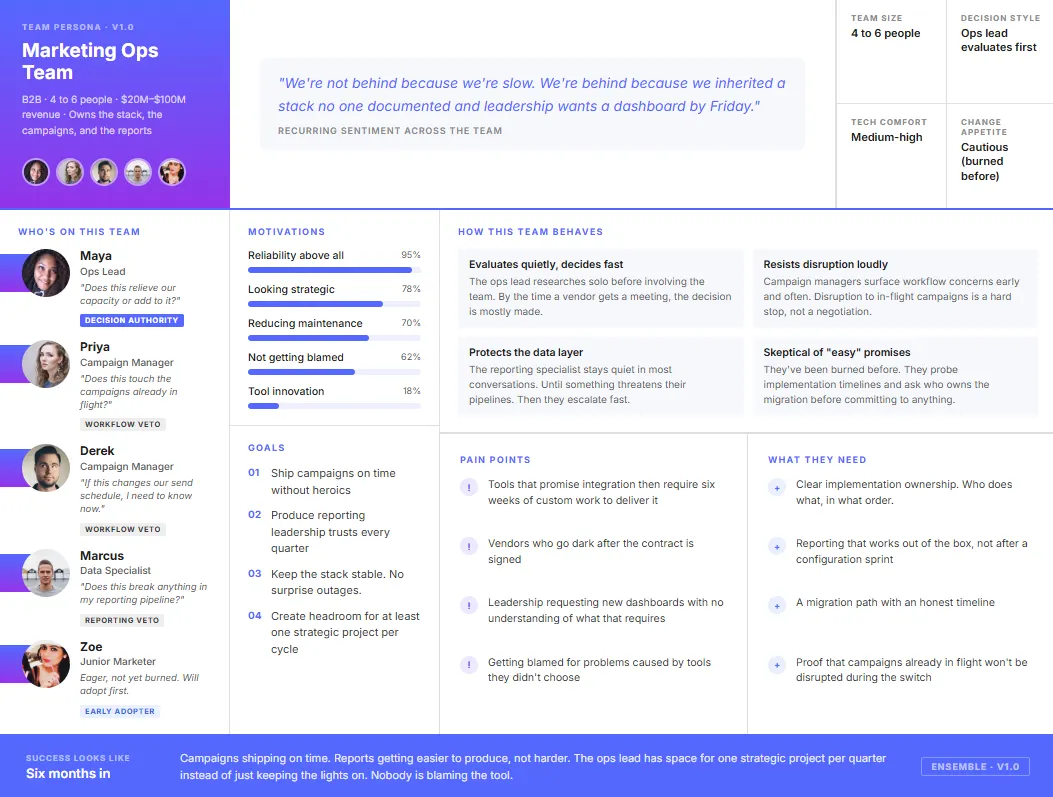
By building an empathy map we join all of our gaderings from the interviews we were able to create two personas.

Ana is an older lady with a lot of time on her hands that prefers to buy locally, organic and seasonal food. The only issue we could find for Ana that she finds unpleasent to buy in supermakets because of the lack friendly service, she stills has to go there sometimes because of the lack of organic and seasonal food near her.
Ethan is a very busy young student living in Lisbon. He is very environmentally conscious, his worried about his health and organic options avalabe. He has some time constraines that really impact his goals for obtaining healthier food. He would apreciate products or locals that align more with his enviromental concerns.

We created a journey map for Ethan. On a normal day he wakes up at 7 a.m. and goes to class, in the afternoons he studies in the librabry until late so when he leaves to go home he no longer can buy his grocessiries in a smaller market that sells seasonal and organic food. He has to go to the supermarket and when he get theres he is sad about the over usage of plastic. To make things worse when he gets home he realizes that the food doesn´t really look that healthy. It looks very artificial. His journey map has a lot of lows and not many ups, but that’s ok! From the user journey we could see a lot of opportunities to help Ethan’s daily life, for example: more opening hours for local markets, more places selling organic food/seasonal not imported food, less packaging of the food and buying in bulk.
Get Susana Eduardo’s stories in your inbox
Join Medium for free to get updates from this writer.
With this done we asked ourselfs what ideias can we develope?
Ideation Phase

In the ideation process we thought of eating the rich, making plastic illegal, investing in a bulk system that allows the public to have a lot more food variety ( like for example rice/pasta/beans/ non-perishable foods) in containers this would allow for the option of people buying in bulk. In Portugal we have that option in one big supermarket chain Auchan, but only for dry fruits and “gummy bears”, we would like to build on that. For the digital solution with came up with the following ideias: an app with information about bulk quantity in a store; an app with a scanner that releases the product from the bin; an app informing which stores have the more bulk options and an app to buy in bulk and have it send it home or schedule pick-ups.
After this we decided to join some of the app ideas and build one for a bulk system integrated in large supermarkets. This way we would give environmentally conscious people the opportunity to buy with more convenience and less wasted plastic. We build a storyboard for our users Ethan and Ana showcasing both of the bulk systems in the stores and the app. We decided to call it the Bulkie system/app.

we asked some people for feedback about the storyboard they were worried about hygiene and adaptation to the system and if the bins broke, (we can’t do anything about those) but overall the feedback was positive. Know what we asked ourselfs?
Prototype Phase
Well know we prototype. Having choosed the name for our solution — Bulkie app, we did a user flow show casing the most importante part of our digital solution. What do I mean. If a user wants to use his phone to get the necessary products from the Bulkie system he can. All what he has to do is enter the app, click on the scan bottom, scan the code on the container, choose the quantity that he needs and by pressing enter the produce is releace to a reusebal bag. He can also choose to pay inside of the app or go to a cashier in the supermarket.

After the user flow we did the lo-fi to get a general ideia of how the app would work and how the users would interact with it. And because a picture is worth a thounsand words, here’s our solution to Ethan’s problem.

Conclusion
Even though this was a very big problem to takle and it was our first time doing this UX process, I learned more about food sustanability. I learned the importance of doing secondary research, I learned how to make interviews and the process of writing a good question, I need to practice more followup question to get more insights from the users. But I can always go back to either my secondary research or asking the user again . I learned that making user personas and journey map’s will help me emphasize with the user and make me a better UX designer. Also learn how importante it is to brainstorm our ideas while working on a group project. Feedback and bouncing ideias from each other to improve our work. An if I’m stuck I can always go back and retace some steps.
But more importantily I learned the necessary steps to this work and gather insights and document them is a big help in UX design.
Tools: Figma, Notion, Post-tis and a lot of paper.
Timebreak: 1 week
Thank for reading I hope you like it!