Trends in Visual Design: What’s Next for UI/UX

In a world where users are bombarded with choices, captivating visual design isn’t just a nice-to-have; it’s a necessity. A staggering 88% of online consumers are less likely to return to a site after a bad experience, underscoring the importance of a seamless user interface. As designers, we face the challenge of not only attracting users but keeping them engaged in an ever-evolving digital landscape. In this article, we’ll explore the latest visual design trends — from the resurgence of minimalism to the integration of augmented reality — that can elevate your UI/UX game and address these common pain points. Get ready to discover actionable insights that can transform your design approach!
Neumorphism: The Soft UI Revolution
Neumorphism, often referred to as “soft UI,” is a design trend that merges flat design with subtle 3D elements. This approach uses soft shadows and highlights to create a sense of depth, making user interfaces feel more tactile and engaging. Applications like Google’s Material Design and Apple’s iOS have begun incorporating neumorphic elements, resulting in interfaces that are not only visually appealing but also provide a sense of interaction.
Benefits: Neumorphism offers a fresh aesthetic that can make applications feel modern and approachable. It encourages user interaction by mimicking real-world objects. However, there are challenges: if overused, neumorphism can lead to usability issues, as the subtle design may confuse users about clickable elements.
The Rise of Dark Mode
Dark mode has gained immense popularity, with platforms like Twitter, Instagram, and Slack offering this feature to users. The shift towards darker themes is driven by the growing concern for eye strain and the desire for battery-saving options on OLED screens.
Benefits: Dark mode not only reduces eye fatigue but also enhances the readability of text and visuals. Accessibility is another advantage; users with certain visual impairments often find dark themes easier to navigate. Brands effectively implementing dark mode have seen increased user satisfaction and engagement.
Minimalism: Less is More
Minimalist design is a trend that champions simplicity, focusing on essential elements while removing clutter. This design philosophy allows users to navigate interfaces effortlessly and find information quickly. Examples like Apple’s website and Google’s search page showcase how minimalism enhances user experience.
Impact: Minimalist designs can significantly improve user navigation, as they eliminate distractions and prioritize functionality. Research indicates that users can process minimalist interfaces 25% faster than more complex ones, making it an effective choice for enhancing usability.
Bold Typography as a Design Element
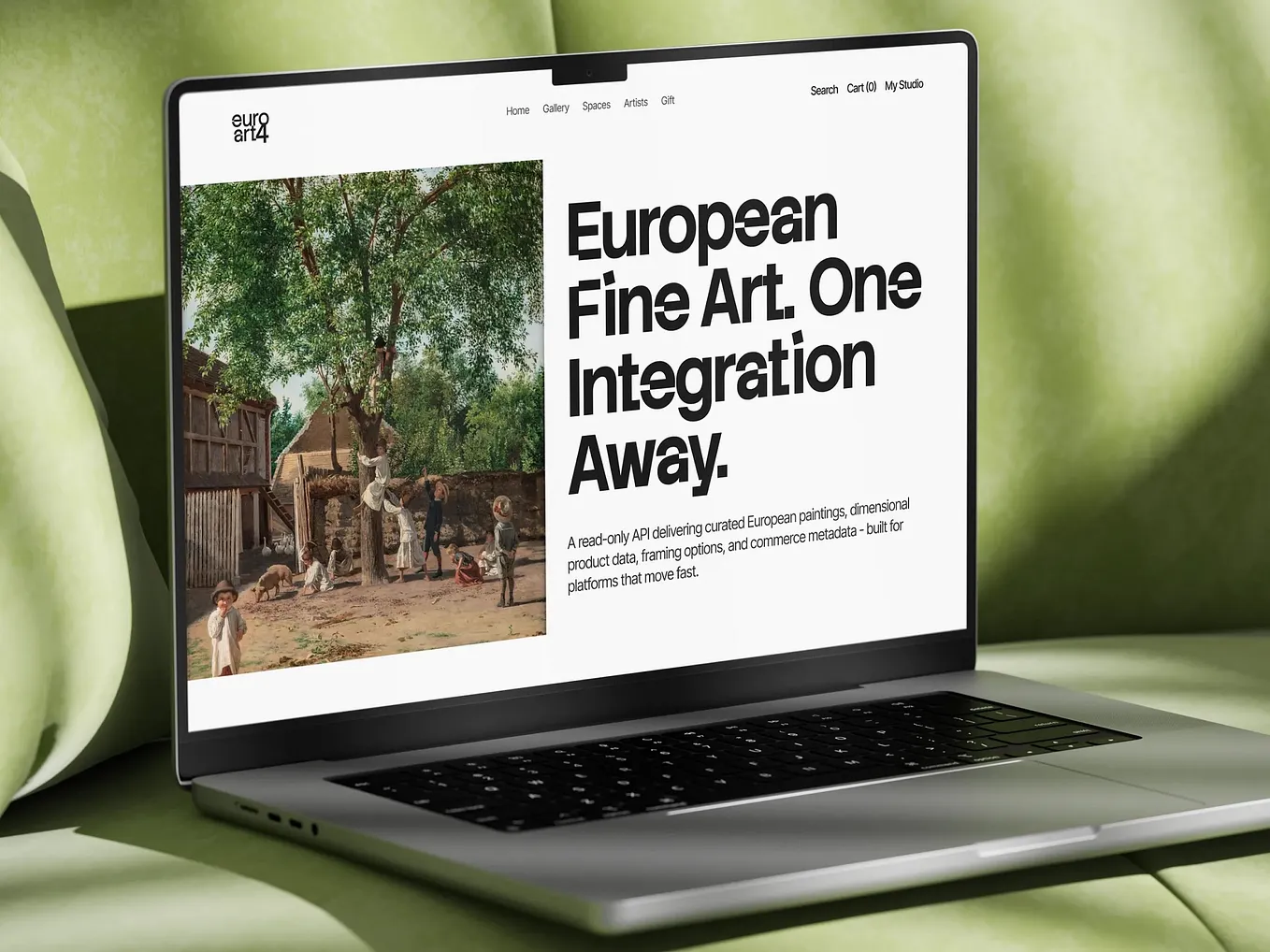
Typography plays a crucial role in visual design, and the trend of using bold fonts has surged. By leveraging distinctive typography, brands can convey their identity and messages effectively. Companies like Nike and Spotify use bold typography to grab attention and create a strong brand presence.
Benefits: Effective typography not only improves readability but also enhances user engagement. Bold typefaces can guide user focus to key messages, driving actions and conversions. Research shows that effective typography can improve reading efficiency by up to 30%.
Integration of 3D Graphics
The growing use of 3D elements in UI/UX design is creating more immersive user experiences. Applications like IKEA Place and Snapchat utilize 3D graphics to enhance interactions, allowing users to visualize products in real-life settings.
Get Thefinchdesignagency’s stories in your inbox
Join Medium for free to get updates from this writer.
Benefits: 3D graphics can make interfaces more engaging and realistic, increasing user retention. They help users better understand products and features, ultimately leading to improved decision-making.
Motion Design
Motion design encompasses animations and transitions that enhance user interactions. By incorporating subtle animations, designers can create dynamic experiences that guide users through an interface. For example, Dropbox uses animations to provide feedback during file uploads, improving user satisfaction.
Benefits: Motion can capture user attention, making interfaces feel more lively and engaging. It also serves as a functional tool, helping to direct user focus and providing context for actions, thereby improving overall usability.
Augmented Reality (AR) in UI/UX
Augmented reality is transforming user interactions by blending digital content with the physical world. Brands like L’Oreal and IKEA are leveraging AR to enhance customer experiences, allowing users to visualize products in their environments before making a purchase.
Benefits: AR creates immersive experiences that engage users on a deeper level. By offering interactive elements, brands can increase user satisfaction and drive sales through enhanced product visualization.
Personalized Experiences through AI
Artificial intelligence is revolutionizing UI/UX design by enabling personalized interfaces that cater to individual user preferences. Streaming services like Netflix and Spotify utilize AI algorithms to tailor recommendations, enhancing user engagement.
Benefits: Personalization improves user experience by making interactions more relevant and enjoyable. Tailored interfaces can lead to higher retention rates and customer loyalty, as users feel valued and understood.
Color Psychology and Emotional Design
Color choices significantly impact user emotions and decision-making processes. Understanding color psychology can help designers create interfaces that evoke desired feelings. For instance, brands like Coca-Cola and Starbucks use color effectively to communicate their brand identity and influence user behavior.
Examples: Brands that utilize color strategically can enhance user engagement and drive conversions. Effective use of color can evoke trust, excitement, or urgency, depending on the intended message.
Sustainable Design Practices
Sustainability is becoming increasingly important in visual design. Many brands are adopting eco-friendly design choices to align with consumer values. This includes using sustainable materials for digital products and promoting ethical practices.
Importance: Considering sustainability in design not only benefits the environment but also resonates with socially conscious consumers. Brands that prioritize eco-friendly practices can enhance their reputation and attract a loyal customer base.
Conclusion
The world of visual design is constantly evolving, with trends like neumorphism, dark mode, and augmented reality shaping the future of UI/UX. By staying informed about these innovations, designers can create engaging, effective user experiences that meet the needs of their audiences. Embracing these trends will not only elevate your design skills but also ensure that you remain competitive in an ever-changing digital landscape.