The Science Behind Music for ADHD: Why It Works

Attention Deficit Hyperactivity Disorder (ADHD) presents significant challenges, primarily in maintaining focus and sustaining attention. Individuals with ADHD often experience difficulty in staying on task, which can impact their productivity and daily functioning.
Music for ADHD, from classical to ambient sounds, serves as an auditory anchor for the mind. We’ll explore the science behind ADHD focus music, examining why it works and how to use various types of music that boost focus. Learn to create personalized playlists and use tools like Constella.App to optimize your listening experience.
Interestingly, while music can significantly aid focus, other techniques such as mind mapping also play a role in enhancing concentration. This technique visually organizes information, allowing for effective brainstorming. Understanding abstract ideas can improve cognitive flexibility, enabling broader perspective in tackling tasks.
ADHD and Its Impact on Concentration
People with ADHD frequently face obstacles when it comes to staying focused on specific tasks. This difficulty is not merely about a lack of interest or motivation but involves a fundamental difference in how their brains process information. The brain areas responsible for attention control might function differently, making it hard to filter out distractions and maintain focus.
- Emotional Regulation’s Role: Emotional regulation plays a crucial part in managing ADHD symptoms. It’s not just about keeping emotions in check, but also about how these emotional states can affect one’s ability to concentrate. When individuals with ADHD struggle to regulate their emotions effectively, it can lead to increased distractibility and decreased performance on tasks that require sustained focus.
- Influence on Focus: The interplay between emotional regulation and concentration is significant; heightened emotions can exacerbate attention difficulties. Strategies that enhance emotional regulation, such as mindfulness practices or therapeutic interventions, can indirectly improve attention control by helping individuals manage their emotional responses more effectively.
Understanding these aspects of ADHD provides insight into why traditional methods might not always be effective for improving concentration, highlighting the need for innovative approaches such as using music to support focus and emotional balance. Additionally, exploring the future of personal knowledge management tools could offer new strategies for individuals with ADHD to better manage their focus and retain information.
The Science Behind Music’s Power to Enhance Focus
Music therapy has long been recognized for its ability to influence brain function. When listening to music, various areas of the brain associated with attention control and information processing become active. This auditory stimulation can lead to changes in neuroplasticity, which is the brain’s ability to reorganize itself by forming new neural connections. These changes can help improve cognitive functions, making it easier for individuals, particularly those with ADHD, to maintain focus on tasks.

Dopamine and Mood Enhancement
The relationship between music and dopamine levels is crucial in understanding why certain types of music can benefit those with ADHD. Dopamine, a neurotransmitter, plays a significant role in mood regulation and cognitive performance. Listening to music that resonates emotionally can trigger the release of dopamine, leading to enhanced mood and motivation. This boost in mood can have a positive impact on concentration levels.
Types of Music That Work Best for Boosting Concentration in People with ADHD
Music has shown to positively impact focus and attention for individuals with ADHD. By engaging certain brain pathways, specific types of music can reduce distractions, calm the mind, and support sustained attention. Here’s a breakdown of how different music genres help ADHD focus, with tips on maximizing each genre’s benefits for ADHD.
1. Classical Music: Calm, Focused Structure
Classical music — especially compositions from the Baroque period — provides a consistent rhythm and well-balanced structure that creates a calming backdrop, ideal for maintaining focus. The structured patterns of composers like Bach and Vivaldi have been shown to support cognitive function and boost concentration. For ADHD users, the predictability and lack of abrupt tempo shifts in Baroque music make it easier to stay mentally anchored, reducing the likelihood of distraction.

- Examples: Bach’s Brandenburg Concertos and Vivaldi’s Four Seasons
- How to Use It: Setting up a playlist with long classical pieces that lack sudden changes can help ADHD users maintain a steady focus for extended study sessions or work tasks.
2. Lo-Fi Beats: Background for Deep Focus
Lo-fi music provides a smooth, relaxing beat without distracting lyrics, making it perfect for helping those with ADHD sustain focus. Its repetitive, low-energy beats create a tranquil environment that minimizes external and internal distractions. By reducing auditory stimulation and creating a steady background, lo-fi music helps ADHD brains stay connected to the task at hand, supporting continuous concentration for deep work.

- Examples: Lo-fi Beats to Study To playlists on Spotify or YouTube, featuring artists like Chillhop Music and Jinsang
- How to Use It: Lo-fi music works well for lengthy study sessions, reading, or creative work, providing a distraction-free, continuous flow that helps ADHD users keep their minds anchored on the task.
3. Ambient Music and Nature Sounds: Soothing for Repetitive Tasks
Ambient music and natural sounds, such as rain or ocean waves, offer a gentle, consistent auditory experience that can block out external noise and reduce mental fatigue. For individuals with ADHD, these types of sounds create a sense of calm that reduces overstimulation, especially during repetitive or less stimulating tasks. Nature sounds, in particular, have been found to lower stress and enhance mood, making them ideal for creating a low-pressure background that helps maintain focus.

- Examples: Brian Eno’s Music for Airports, and apps like Noisli or Rainy Mood
- How to Use It: Play nature sounds or ambient tracks while working on repetitive tasks or in noisy environments. By providing a calming sound loop, these tracks help ADHD users concentrate without becoming overstimulated.
4. Video Game Soundtracks: Designed for Immersion
Video game soundtracks are crafted to keep players focused and engaged, often featuring consistent beats that encourage immersion without distraction. Game music is intentionally composed to provide an engaging but non-intrusive background, helping players stay attentive for extended periods without becoming mentally fatigued. For ADHD users, this focus-boosting quality makes video game soundtracks a great option for staying on track during intensive tasks, like writing or planning.
- Examples: The Legend of Zelda: Breath of the Wild and Animal Crossing soundtracks
- How to Use It: Play video game soundtracks during tasks requiring prolonged focus, such as writing or organizing. The steady, immersive rhythm keeps users “in the zone” without interrupting mental flow.
5. Binaural Beats: Frequency-Based Focus Boost
Binaural beats are created when slightly different sound frequencies play in each ear, encouraging brainwave synchronization that supports a focused, relaxed state. Research suggests that certain frequencies, particularly around 14 Hz, can improve concentration and mental clarity. For those with ADHD, binaural beats can help reduce mind-wandering and increase focus on specific tasks by creating a conducive background for focus.
- Examples: Binaural beat tracks at 14 Hz for focus, available on Brain.fm or playlists on Insight Timer and YouTube
- How to Use It: Use headphones to listen to binaural beats during detailed work sessions or study periods, as the binaural effect relies on hearing separate frequencies in each ear.
Practical Strategies for Using Music as an ADHD Management Tool
Integrating music into daily routines can significantly enhance focus for individuals with ADHD. Here are some practical strategies to effectively use music as an ADHD management tool:
1. Create Personalized Playlists
Crafting personalized playlists for ADHD is a potent tactic, enabling users to tailor their music choices to specific tasks or moods. For instance, a playlist filled with calming ambient sounds or lo-fi beats could be ideal for tasks requiring sustained concentration, whereas upbeat classical pieces might be more suitable for creative endeavors.
2. Explore Music Therapy Techniques
Music therapy techniques can also play a vital role in managing ADHD symptoms. These techniques often involve listening to music with particular elements known to aid concentration, such as consistent rhythms or minimal lyrics. Engaging with these musical elements can help regulate emotions and improve cognitive performance.
3. Utilize Background Noise Apps
Utilizing background noise apps specifically designed for attention difficulties offers another layer of support. These apps often include features like customizable soundscapes or white noise options that can create an optimal auditory environment for focus. They allow users to experiment with different auditory stimuli until they find what works best for them.
4. Develop a Routine
Developing a routine that incorporates these strategies can transform how individuals manage their focus challenges. A practical approach would be adopting a Personal Knowledge Management System (PKMS). This system can help track and organize the various genres and sounds explored over time, noting which types of music enhance concentration the most. Over time, refine these playlists, adapting them as needs and preferences evolve.
Get Theo James’s stories in your inbox
Join Medium for free to get updates from this writer.
By taking advantage of personalized playlists and innovative music therapy techniques, individuals with ADHD can harness the power of music to navigate daily tasks more effectively and efficiently.
Constella.App: A Next Generation Tool for Managing Thoughts and Focus
Constella.App, a next-generation tool, redefines traditional methods like note-taking apps or physical planners. This innovative approach to managing thoughts and enhancing focus is particularly beneficial for individuals with ADHD. The tool stands out with its infinite graph interface, allowing users to jot down their thoughts swiftly without constraints on space or structure. Such flexibility is crucial for those who struggle with organization due to attention difficulties.
Key features of Constella.App include:
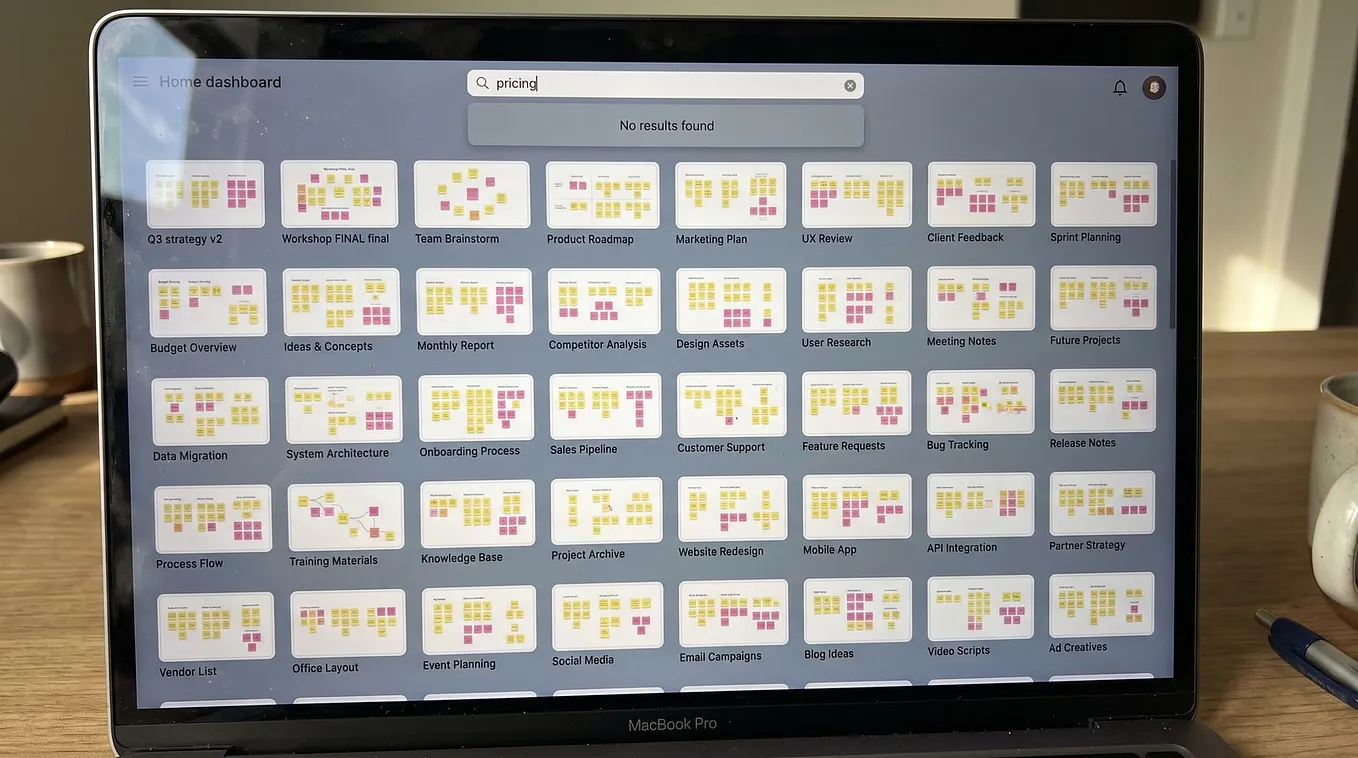
- Infinite Graph Tool: Unlike linear note-taking methods which often lead to top mistakes people make when note taking, the infinite graph interface provides a visual map where ideas can be connected freely. Users can explore their thoughts visually, fostering a more intuitive understanding of complex concepts.
- Intelligent Reminder System: This feature ensures that important ideas are easily accessible and not lost in the clutter. The system offers timely reminders, helping users recall essential tasks or insights exactly when needed, a solution that has personally helped me overcome forgetfulness.
These unique capabilities make Constella.App an invaluable resource for ADHD management. By transforming how information is stored and retrieved, it empowers users to maintain focus and harness their creativity effectively. With Constella.App, there’s no need to worry about running out of space or losing track of valuable thoughts — everything is organized seamlessly within its dynamic framework.
This revolution in productivity is part of a larger trend towards AI-powered note-taking which is changing the way we work, making us more productive.
Conclusion: Using Music And Constella.App For Effective ADHD Management Strategies
Explore benefits of using music for ADHD management by experimenting with various genres and styles. Each individual with ADHD has unique preferences and needs, so it’s essential to find what resonates personally. Whether it’s classical symphonies or ambient soundscapes, identifying music that boosts focus without causing distractions is key.
Constella.App stands out as a next-generation tool, complementing musical strategies. Its infinite graph interface allows users to jot down ideas seamlessly, helping manage thoughts amidst the chaos ADHD can bring. By integrating music playlists within Constella.App, you can track listening habits and optimize them for productivity. This approach aligns well with the idea that ADHD and career success can be closely connected when individuals find professional paths that align with their unique strengths.
- Experimentation is crucial — test different combinations of music and app features.
- Personalization matters — tailor strategies to fit individual needs.
- Persistence pays off — stay committed to finding the right balance.
Taking control of your focus through tailored musical experiences and intelligent apps can transform daily productivity battles into manageable tasks. If you’re seeking alternatives to traditional note-taking methods like Obsidian, consider exploring some recommended alternatives that may better suit your needs.
FAQs (Frequently Asked Questions)
What is ADHD and how does it affect concentration?
ADHD, or Attention Deficit Hyperactivity Disorder, is a condition characterized by symptoms such as inattention, hyperactivity, and impulsivity. Individuals with ADHD often struggle to maintain focus on tasks, which can significantly impact their daily functioning and emotional regulation.
How can music help individuals with ADHD improve focus?
ADHD focus music serves as a helpful tool for individuals by enhancing concentration levels and managing symptoms effectively. The right types of music can stimulate brain function, influencing areas responsible for attention control and information processing, thereby aiding individuals in sustaining their focus.
What types of music are best for boosting concentration in people with ADHD?
Different musical genres known to support focus include classical music, lo-fi beats, ambient sounds, and binaural beats. These genres often feature stable rhythms and calming elements that contribute to their effectiveness as study aids for individuals with ADHD.
What practical strategies can be used to incorporate music into daily routines for managing ADHD?
Individuals with ADHD can create personalized playlists tailored to specific tasks or utilize background noise apps designed specifically for those with attention difficulties. Experimenting with different types of music during work sessions can also help identify what works best for enhancing focus.
What is Constella.App and how does it assist in managing thoughts and focus?
Constella.App is a next-generation tool that offers an infinite graph interface allowing users to write down thoughts quickly without limitations on space or organization structure. Its intelligent reminder system ensures that important ideas are easily retrievable when needed most, making it a valuable resource for individuals managing ADHD.
Can you recommend specific study music tracks or albums for individuals with ADHD?
Recommended tracks or albums for studying with ADHD should be stimulating yet not overly distracting. It’s essential to choose music that enhances concentration without pulling attention away from the task at hand. Curated playlists featuring classical pieces or lo-fi beats can be particularly effective.