#19 Real leather or vegan alternatives?


Opening thoughts
Mushroom, cactus, pineapple, orange, mango, apple, corn — this is not my grocery list, but rather a growing range of alternative “vegan” sources to traditional animal leather. According to one estimate, the production of vegan bio-based leather substitutes is expected to rise by 37.4% CAGR from 2024 to 2034 to millions of square meters.
Artificial leather substitutes made from synthetics, often referred to as “pleather” (plastic leather) currently dominate the leather alternatives market due to their low costs, but they pose environmental problems. Non-biodegradable, they are derived from fossil fuels, shed microplastics, and end up in landfills. Thus, as environmental sustainability concerns grow, companies across industries are increasingly seeking bio-based vegan options.
Take Hugo Boss, which partnered with Ananas Anam to drop a limited-edition sneaker made from Piñatex, a leather alternative derived from pineapple leaf fibers:
Or consider Hermes which teamed up with US biotech startup Mycoworks to redesign one of its iconic bags using a leather alternative grown my mycelium:

The automotive industry is also making investments in this space. For example, BMW is exploring alternatives to leather for some of its car interiors through a collaboration with Deserttex, a cactus-based biomaterial:
The emergence of this market for bio-based vegan leather substitutes poses a real question about the future of traditional leather. For over 7,000 years, genuine, natural leather has been prized across industries for its durability and flexibility, and has evolved into a marker of status and luxury.
Under today’s new levels of sustainability scrutiny, however, leather has come under attack from the likes of PETA, who argue that the industry has a major sustainability issue, notably around GHG emissions, deforestation, animal welfare, water, and chemicals.
What does this mean for traditional leather? Are vegan options really better?
The tension between these two camps of materials has in some cases become legally contentious. For example, Italy approved a decree in June 2020 regulating the use of the term “leather” (and “fur”) to protect the leather industry. Under this policy, terms such as “vegan leather” or “synthetic leather” are prohibited.

Similarly, the US Federal Trade Commission’s “Leather Guides” aim to prevent deceptive practices in the leather industry by requiring accurate labeling and disclosure of non-leather content when materials are misrepresented as leather.
Making sense of this debate requires a nuance understanding of how the leather industry operates today, and what these vegan substitutes really are.
Therefore, in today’s piece, I dive deep into the leather industry. I start with all the basics to know about leather — from its structure and properties to its applications and processing; then, I address leather’s primary sustainability impacts and associated mitigations; finally, I briefly cover the vegan bio-based leather alternatives market and why it may not be the silver bullet you might expect from the mainstream narratives. Spoiler alert: “vegan” does not necessarily mean “sustainable,” and the answer to “real leather or ‘vegan’ alternatives?” is nuanced.
What is natural leather?
Overview
Leather refers to the bio-based material derived from animal hides or skins through processes that preserve the material and prevent decomposition.
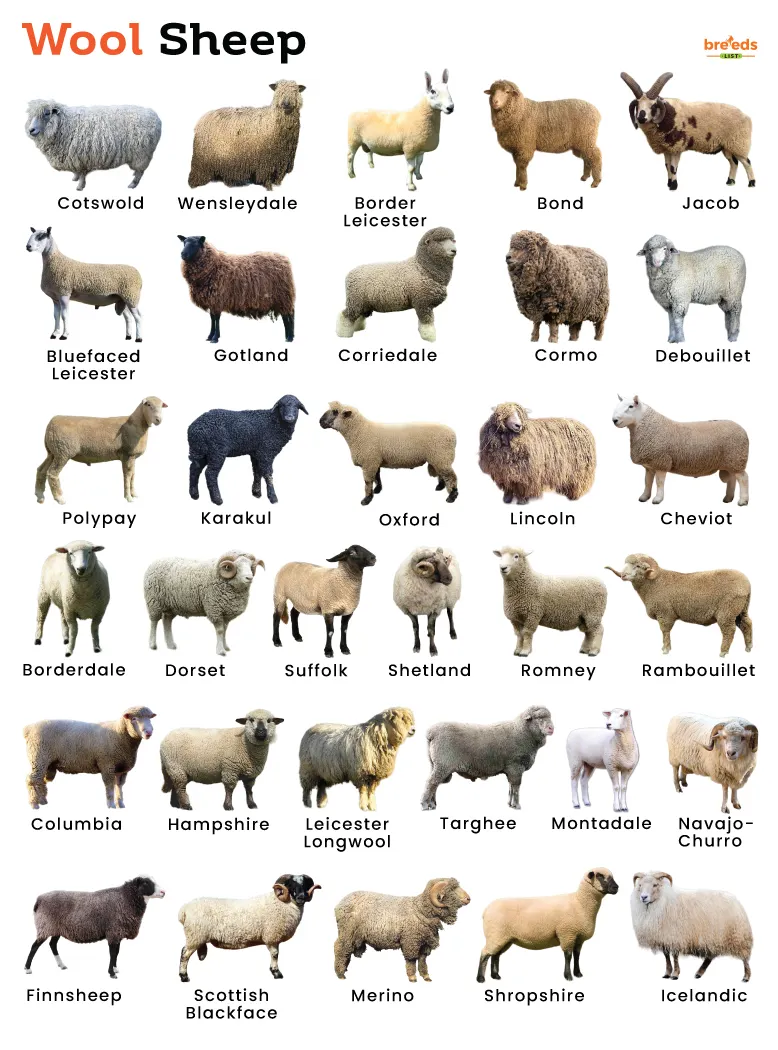
Over two-thirds of leather comes from bovine (cattle) hides, followed by sheep (~15%), goat (~9%), and buffalo (~6%) hides.
Here are a few examples:

Structure
Leather’s structure determines the different types of leather and their applications.
1 — Inside: the inside of leather consists of interwoven collagen (type of protein) fibers.
2 — Outside: the outside of leather consists of two key surfaces:
- Grain side: this is the outermost layer, showcasing the natural texture and pattern of the animal’s skin, revealed after hair removal. It is typically the visible, finished surface in leather products.
- Flesh side: the underside, characterized by a more fibrous, velvety texture is rougher and less commonly exposed, though some leather types, like suede, utilize this surface.

The diagram below summarizes the anatomy of leather:

In addition, note that leather can be segmented into different layers, including: full grain leather, top grain leather, genuine leather (or split leather), suede, and nubuck.
Properties
Leather’s natural structure provides several key properties that distinguish it from alternatives, as indicated in some regulations:
- Fibrous texture: leather retains the natural fibrous structure of the animal hide at both the microscopic and visible levels, giving it unique strength and durability
- Pore patterns: leather exhibits natural pore patterns that are often irregular and vary depending on the animal source
- Thickness and flexibility: leather has a characteristic thickness and flexibility that synthetics often attempt to mimic but can rarely match due to its natural elastin fibers
- Breathability: due to its fibrous nature, leather is naturally breathable, which is difficult to replicate in synthetic alternatives
- Aging and patina: leather develops a patina over time — a sheen formed by aging, wear, and oiling that is highly valued and cannot be authentically replicated in synthetic materials
Note: processing can enhance, reduce, or introduce new properties to suit specific applications.
Processing
Leather processing occurs in tanneries, where raw hides are chemically treated to stabilize them, preserving their structure and enhancing the properties that make them durable and functional. This transformation, known as tanning, typically follows four main steps:
1 — Preparation for tanning: hides are rehydrated and cleaned to remove impurities, followed by liming to depilate and deliming to reduce hide swelling, preparing them for the tanning process.
2 — Tanning: the tanning stage involves treating hides with agents to stabilize the collagen, making the leather durable and resistant to decomposition:
- Chrome tanning: uses chromium salts to quickly produce durable and flexible “wet-blue” leather; 85% of leather is tanned this way due to speed, cost-effectiveness, and durability
- Vegetable tanning: utilizes natural tannins from plant materials, offering a unique aesthetic, but requiring more time
- Chrome-free and metal-free tanning: avoids heavy metals, instead using alternatives like aldehydes; generally for specific performance uses (e.g., automotive)
These processes occur in large water-filled drums pictured below, ensuring even chemical penetration, minimizing friction, and allowing for thorough washing.

3 — Post-tanning treatments: after tanning, the leather undergoes dyeing for color and fatliquoring to infuse lubricants that enhance softness and flexibility. At this stage, the leather is typically cut into panels or shapes for specific products (although in some cases leather is finished first and then cut).

4 — Finishing: the final finishing phase includes mechanical techniques like sanding to create suede or nubuck, and chemical treatments that apply protective coatings and aesthetic enhancements.

Global leather market
According to Textile Exchange’s 2024 Materials Market Report, global leather production — measured by the weight of raw hides — was around 13.4 million tonnes in 2022 (the latest year for which data are available), with the hides and skins of nearly 1.5 billion animals used to produce leather.

According to other estimates, the leather industry in total produces about 23–24 billion square feet of leather a year, worth up to $50 billion.
Total global leather production (in 2023) is segmented below by animal type and country:

Leather applications
While precise global percentage allocations are not readily available, the following diagram on the US market provides a snapshot of some of the major end-use sectors:

As is the case in the US market, footwear is a significant consumer of leather, responsible for just under 50% of global production.
Is leather sustainable?
Now that we have established the basics of real leather, let’s turn to its sustainability performance.
Overview
One of the most important points to establish is that leather is a byproduct of the meat and dairy industry (as shown in the value chain diagram below). This means that farmers don’t raise animals just for their leather, as the value of hides and skins typically represents only up to 2% of the market value of the animal.

The trade organization Leather and Hide Council of America estimates that about 40% of hides worldwide are landfilled currently — releasing about 40 million metric tons of carbon dioxide equivalent each year as they decompose. Without the leather industry, even more animal hides and skins would end up as waste.
Important to note that while raw leather is itself plastic-free and biodegradable, that is not the case for finished leather which is often coated in a thin layer of synthetic polymer to enhance water resistance and durability.
Leather also generates positive socio-economic impacts. The number of people employed in the tanning industry worldwide is estimated at well over 500,000, with many more employed in downstream manufacturing sectors. According to the International Council of Tanners:
“In many of the world’s poorest economies, domesticated animals — cattle, goats and sheep — frequently represent the wealth and well being of local populations. Sustaining those animals is of crucial importance, even to being the line between living and starvation.”
So what are leather’s specific environmental impacts?
Just like every industry, leather has several main impacts to manage. A recent LCA study by Spin360 and Leather Working Group found that “raw material sourcing and upstream processes are the primary drivers of the environmental impact of leather production” in terms of global warming potential (GWP) and other impact categories. They found that 1m² of finished leather generates 22.48 kgCO₂e — with 68% of emissions coming from farming and slaughtering.
1 — Food or leather to blame?
This raises a crucial question: how should emissions be allocated between the food and leather industries? Who is ultimately responsible? While it is true that leather would not exist without the food industry, the consensus seems to be that collaboration across the entire value chain is required.
Within this shared value chain, deforestation (especially in the Amazon) and animal welfare (including intensive farming, transport stress, and slaughter practices) are concerns but are difficult to track due to a lack of overall supply chain transparency and certifications’ focus on leather processing. According to Textile Exchange:
“While multiple standards cover animal welfare for meat production, only a few small supply chains currently manage to maintain traceability of the hides of certified animals through to finished leather goods.”
Leading leather traceability certifications include ICEC TS SC 410 and 412. Additional useful tools for leather traceability include UNECE’s “Recommendation №46: Improve traceability and transparency of sustainable value chains in the apparel and footwear sector and the OECD’s “Due Diligence Guidance for Responsible Supply Chains in the Garment & Footwear Sector.”
Get Thomas Bernhardt-Lanier’s stories in your inbox
Join Medium for free to get updates from this writer.
2 — Inputs, outputs, and mitigation strategies in leather processing
In addition to these impacts linked to upstream processes, leather production itself generates significant environmental impacts.
Inputs
After raw hides, water, energy and chemicals are the top inputs in tanning.
- Water: water is used in the wet stages of tanning (to help chemicals penetrate raw hides), in steam production, in washing and cleaning cycles, and in abatement and cooling systems. In Italian tanneries, for example, 95% of water is treated and sent to sewage plants, and the average water consumption in 2022 was 122 liters per square meter of leather.
- Energy: leather production requires both electrical energy to run machinery, and thermal energy to heat water and equipment. In Italian tanneries, for example, the average energy consumption (in Tons of Oil Equivalent) for 1,000 square meters of leather produced was 0.88 TOE.
- Chemicals: chemicals are essential for achieving the desired aesthetic and physical properties of leather. In 2022, Italian tanneries consumed on average 2.46 kg per square meter. According to the previously mentioned LCA report, “within core manufacturing processes, the post-tanning stage emerges as the most impactful, particularly concerning abiotic depletion, and freshwater ecotoxicity. Chemicals are identified as the most significant environmental aspect in these areas, surpassing raw materials.”
Outputs
The main outputs in leather processing are wastewater, emissions, and solid waste.
- Wastewater: the leather tanning process generates large volumes of wastewater, heavily contaminated with chemicals from dyes and tannins. According to UNIC, 95% of water used in Italian tanneries is discharged.
- Emissions: Tanneries emit various air pollutants during production, including VOCs (Volatile Organic Compounds) from solvents and dust particles from drying processes. In Italian tanneries, for example, a square meter of leather produced generates 2,04 Kg CO2 eq.
- Solid waste: the production process results in substantial amounts of solid waste, including offcuts and shavings. In Italian tanneries, for example, less than 30% by weight of the raw hides entering tanneries is transformed into a finished product.
Mitigation strategies
Many tanneries are actively mitigating the environmental impacts of their operations through several key strategies:
- Water and wastewater: water use reduction, water use efficiency, wastewater treatment and recycling
- Energy and emissions: energy use reduction, energy efficiency, increased renewable energy
- Chemicals: safer and more sustainable chemicals, chemical management standards (e.g., ZDHC), chemical recycling
- Solid waste: waste reduction, waste recycling
On the topic of waste, the below diagram by UNIC — Concerie Italiane (the association representing the Italian tanning industry) represents the active practice of circularity within the Italian leather industry today. In this micro circular bioeconomy, waste (chemicals, water, shavings and trimmings, etc.) is converted into new value across the agriculture, food, pharmaceutical, cosmetics, and construction industries.
Important to note that the Institute of Quality Certification for the Leather Sector (ICEC) plays a critical role in ensuring sustainability within leather production by certifying tanneries, manufacturers, and supply chain actors against rigorous environmental, ethical, and social responsibility standards. As an internationally recognized certification body, ICEC evaluates companies on criteria such as traceability, environmental impact, chemical management, energy efficiency, waste reduction, and worker safety.
Bottom line
As a byproduct of the meat industry, leather is a form of recovered value, and its sustainability depends on its management, not the material itself (with major variations across regions). While supply chain transparency remains a challenge, especially in tracking certified hides, emerging innovations to manage water, energy, and chemical use in processing are improving leather’s overall impact.
Now what about leather alternatives?
0 — Overview
Vegan leather alternatives fall into two main categories: synthetic and bio-based. Synthetic vegan substitutes, made from polyurethane (PU) and polyvinyl chloride (PVC), are widely used but have environmental drawbacks due to their fossil fuel origins and limited biodegradability. Meanwhile, bio-based vegan substitutes are emerging as more sustainable alternatives, made from natural fibers, fungi, microbes, or lab-grown cells.
Four main types of bio-based leather alternatives are summarized below (note: the use of “leather” is technically incorrect here):

Here are a few examples of startups corresponding to each category:
1 — Mycelium “leather” (made from mycelium, the roots of fungi)
- MycoWorks (Reishi™)
- Ecovative (Forager™ Hides)
- MycoFutures (Myco™)
2. Microbial “leather” (fermented by yeast, bacteria, or fungi)
- Modern Meadow (BioFabbrica™)
- Polybion (Celium™)
3. Plant-based “leather” (derived from plant fibers)
- Ananas Anam (Piñatex®)
- VEGEA (GrapeSkin®)
- Natural Fiber Welding (MIRUM®)
- von Holzhausen (Banbū)
4. Lab-grown “leather” (cultured animal skin cells)
Now, let’s take a look at how these vegan bio-based alternatives stack up against real leather across three criteria: sustainability, performance, and economics.
1— Sustainability
- One key advantage of bio-based alternatives is their lower carbon footprint due to the avoidance of land use impacts and emissions from animal agriculture, which accounts for the majority of leather’s footprint
- In addition, many bio-based leather substitutes require less water and fewer toxic chemicals than traditional tanning processes
- However, not all bio-based options are plastic-free nor biodegradable. Many require synthetic additives for durability, which can limit recyclability and create microplastic pollution
2 — Performance
Bio-based vegan leather alternatives are rapidly improving but still face trade-offs compared to leather in terms of strength, durability, and aesthetics.
- Lab-grown leather substitutes are the closest match, as they are made from real collagen and can replicate natural leather’s strength and longevity, though they remain expensive and not yet widely available
- Mycelium and microbial leather alternatives offer a softer, more flexible feel similar to calfskin, but they generally lack the tensile strength of traditional leather and often require reinforcement
- Plant-based leather substitutes vary significantly in performance — some, like MIRUM®, achieve a leather-like texture and durability without plastics, while others, like Piñatex®, have a more fibrous feel and may require polymer coatings for resilience
3 — Economics
- Achieving commercial viability and scalability for bio-based vegan leather substitutes beyond limited-edition collections presents significant challenges. While these materials have garnered interest from major brands, transitioning from niche products to mass-market adoption has proven difficult. Key causes include high production costs, infrastructure and supply chain limitations, material performance issues, and funding and market uncertainty
- Notable examples of scalability setbacks include: Bolt Threads halted Mylo production in mid-2023 due to funding shortages despite collaborations with prominent brands like Stella McCartney, Kering, and Adidas; and NFW, known as “one of the world’s most innovative companies” announced mass layoffs and is undergoing significant restructuring
Closing thoughts
The debate between leather and its vegan alternatives is far from straightforward. While bio-based vegan alternatives are often marketed as the more sustainable choice, their environmental impact varies significantly depending on material composition, production processes, and disposal methods. More comprehensive life cycle assessments are needed to provide clear comparisons, but the real challenge for vegan leather substitutes lies in their performance limitations and scalability hurdles due to economic constraints.
When thinking about “real leather or vegan alternatives?” I recommend keeping in mind the following four guidelines:
1 — Always check the full material composition
Examine the full material composition of any alternative and assess the trade-offs involved, as the term “vegan” alone does not inherently indicate sustainability — just that the product is of non-animal origin.
2 — Focus on responsible production just as much as, if not more than, the material itself
Recognize that leather, as a byproduct of the meat industry, will remain widely available considering growing demand for meat and dairy. Responsible processing of leather may in many cases be a more sensible solution than replacing it with less durable alternatives that incorporate synthetics. More sustainable leather processing methods, such as Evolved by Nature’s innovative leather finishing technology or TFL’s impact-reducing tanning solutions for instance, illustrate the potential of this approach.
3 — Consider blending based on applications
A non-dualistic approach to this debate can offer greater holistic benefits. Rather than framing the choice as leather vs. vegan alternatives, a hybrid approach using composite materials can optimize both performance and environmental impact, depending on the intended application. Understanding the distinct roles each type of material can play is crucial for informed decision-making.
4 — Celebrate leather for what it is
While leather production undeniably causes negative externalities that require mitigation (as is the case for any commodity!), it is important to recognize and appreciate leather for what it is — a renewable, versatile, and highly durable material with deep cultural, economic, and aesthetic value.
As MycoWorks CEO Matt Scullin aptly put it:
“Leather is a beautiful traditional material and should not be imitated. Our product is not a substitute for leather, but a new natural solution available to brands. Just as ostrich and crocodile do not replace bovine leather, we do not propose Reishi™ as an imitation of another material, but as a new class of natural, premium material.”
Ultimately, the future of leather — natural or alternative — will depend on innovations that balance sustainability, performance, and economic viability. Rather than seeking a one-size-fits-all solution, the industry must embrace a diversified and responsible approach to material use.
Thank you to Alessandra Siena for her contributions to this piece.