Creating a Basic Locomotion System in VR Using Unity and Meta Quest

Introduction
Virtual Reality (VR) development in Unity, especially for Meta Quest 2/3, offers immense possibilities for immersive experiences. An essential aspect of VR applications is locomotion — how the user moves within the virtual environment. This article outlines the setup of a basic locomotion system using Unity’s XR Interaction Toolkit.
1. Locomotion System Setup
- Locomotion System: This is the foundation of movement in VR. It includes mechanisms for moving and turning within the virtual environment.
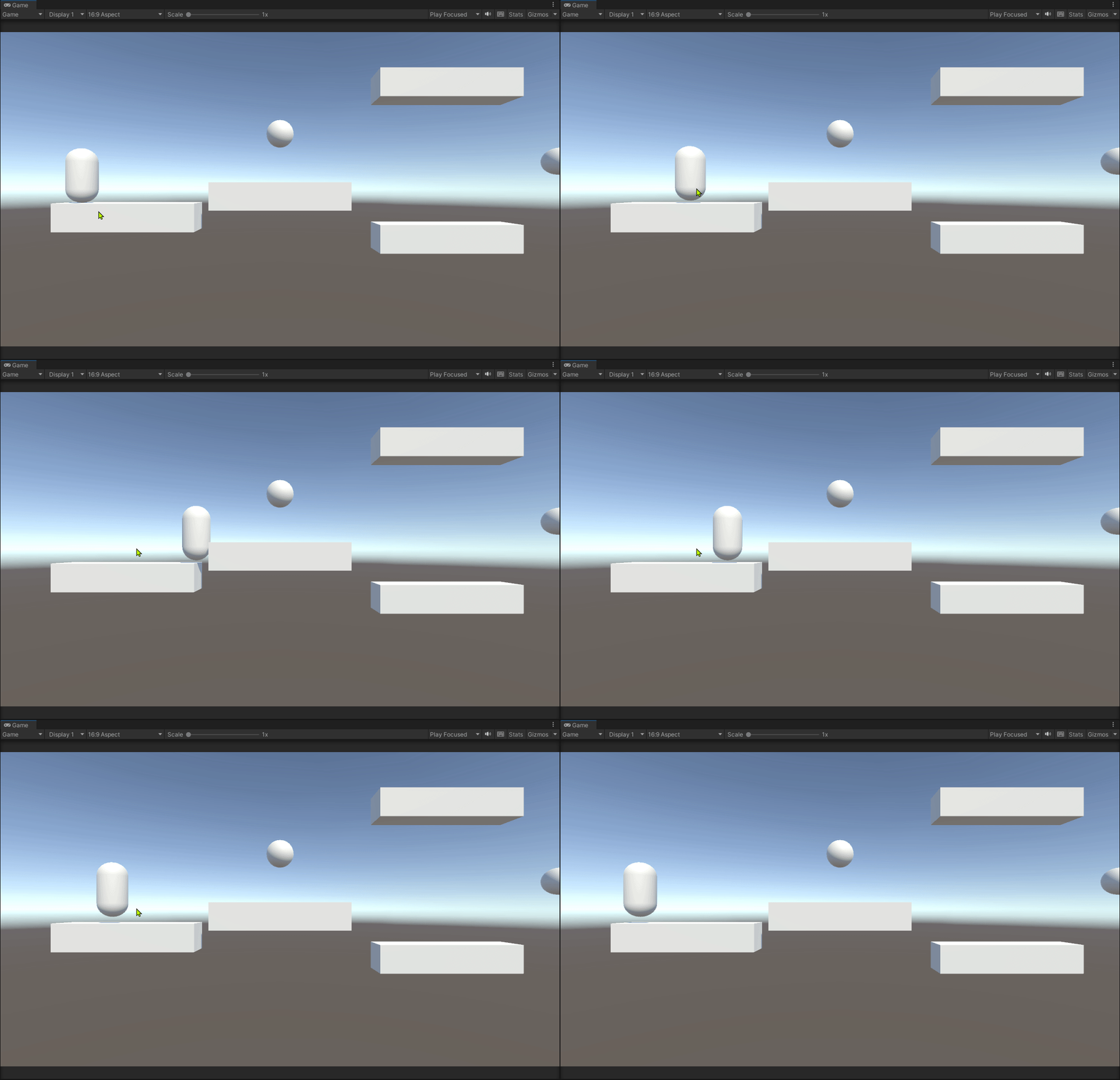
- Snap Turn Provider: This component allows the player to turn in fixed increments (e.g., 45 degrees). It’s useful for quick orientation changes and reducing motion sickness.
- Continuous Turn Provider: Offers a smoother turning experience, where the player turns at a continuous rate. This is more natural but can be disorienting for some users.
- Continuous Move Provider: Enables continuous movement in the direction the player is looking or pointing with the controller.

2. Implementation and Testing
- All components are action-based providers set up with default presets.
- Testing both snap and continuous options is crucial to determine what feels most natural and comfortable for different users.
3. Application Variability
- The choice of locomotion type (snap or continuous) depends on the game or application’s nature and the intended user experience.
- For example, fast-paced games might benefit from snap turning due to its quick orientation changes, while exploration-based games could use continuous movement for a more immersive experience.
4. Personalization and User Preference
- The main camera can be set as the forward source, allowing movement in the direction the user looks or turns their body.
- Alternatively, one of the controllers can be designated as the forward source, catering to different user preferences.
Conclusion
Get Thomas Mauro’s stories in your inbox
Join Medium for free to get updates from this writer.
Setting up a basic locomotion system in Unity for VR applications like Meta Quest is a fundamental step in creating immersive and user-friendly experiences. By considering various movement methods and user preferences, developers can tailor their VR environments to suit a wide range of applications and user needs.