Honorable Manhood

When researching possible dissertation topics, Joshua Lawrence Chamberlain was not my first topic proposal to the history department. He was actually my third choice. One of the other possible topics was Donald Trump. My dissertation proposal for him focused on answering the question, “How did Donald Trump win the 2016 election?” Today, that topic proposal seems completely irrelevant.
I spent two months reading everything “written by” Trump and everything written about Trump. In the end, the topic didn’t check all the requirements for the dissertation.
Almost every dissertation has five chapters. The second chapter is always the literature review. For the topic to be approved for a historical qualitative thesis, there has to be a minimum number of published books on the subject. At the time, there weren’t enough published books to satisfy the minimum number required for the literature review. (I may be one of the few people who’s read everything written by and about Donald Trump up to 2019.)
I didn’t choose Chamberlain initially because I was afraid I could not contribute anything new to the body of knowledge focused on JLC.
The Ph.D. dissertation must contribute some new and significant knowledge about the subject. This is one of the reasons many doctoral candidates don’t finish. They remain ABD (All But Dissertation) forever and never graduate. I have several friends who are “ABD for life.”
Get Tony Ludlow, Ph.D.’s stories in your inbox
Join Medium for free to get updates from this writer.
I’ve been happy every day that my first two topics didn’t make the final cut because I could spend 10 hours a day, six days a week, reading and writing about Joshua Lawrence Chamberlain for over two years. I got to travel to Maine, walk around in his house, visit the college where he taught, and enter the church where so many significant things in his life happened. I got to pay my respects at his grave. What a great gift for me to walk daily with Chamberlain for 26 months, read the same books he read, and align my values with his.
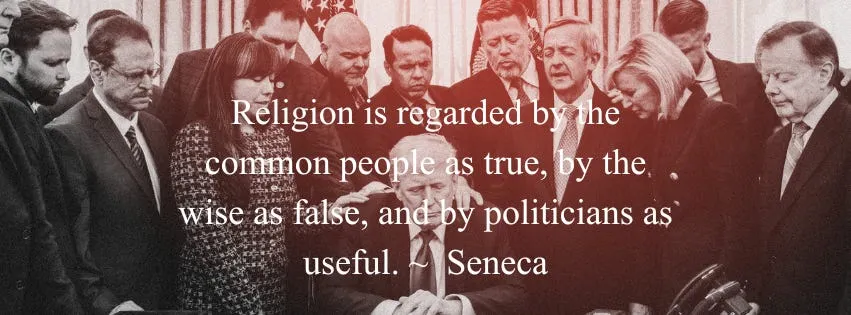
Do you know what happens to you when you immerse yourself into the world of honorable and virtuous people? You compare yourself to them; you compare others to that standard of integrity, dignity, character, and courage. Your own standards of excellence and self-discipline rise, making you unable to accept less from yourself and from those with ambitions to lead. It’s one of the dozens of reasons I could never vote for or support someone like Donald Trump; he is the antithesis of Joshua L. Chamberlain.
I had mixed emotions when my dissertation was finished and defended. I was sad because I no longer lived in Chamberlain’s life and times. The popular WWJD-themed t-shirts, coffee mugs, and bracelets were popular a few years ago. But my WWJD was not “What would Jesus Do?” Mine became “What Would Joshua Do?” I had no idea how Jesus would conduct life in modern times, but I knew how Joshua would.
In 1864, at the Battle of Petersburg, Chamberlain was severely wounded. The bullet entered his side and ripped through his body before lodging on the other side of his abdomen. Ninety percent of soldiers wounded like that died on the battlefield. After several surgeries, and against the desires of his wife and family, he returned to his regiment to fight til the end of the war.
At Appomattox, Grant designated Chamberlain to officially and ceremonially receive the surrender of the Army of Northern Virginia, ending the Civil War, 160 years ago.
Throughout his life, the wound from Petersburg would require additional surgeries and would torment him for the rest of his life. On February 24, 1914, he died of complications from that wound from fifty years earlier. It is believed that he was the last Civil War soldier to die of his war wounds.
Scholar, seminary graduate, college professor, Civil War hero, Medal of Honor recipient, Governor of Maine, and college president Joshua Lawrence Chamberlain raised the bar for what men and women could and should aspire to. For him, it was simple: honorable manhood.
Is there a place in American leadership for honorable men and women?