Mobile Platform Team
I have been working in a Mobile Platform at a big tech company for years and would like to share my thoughts about the Platform team and its responsibilities.
What is a Mobile Platform team?
A Mobile Platform Team is a group of software engineers, designers, and product managers who are responsible for developing, maintaining, and improving mobile applications (usually multiple applications) and related infrastructure for a company or organization. (Chat-GPT)
Who does the team serve?
The team could serve various users:
- End users who use the applications in B2C business.
- 3rd party users who use its SDKs or Libraries in B2B business.
- Internal users such as engineers, and QAs in the company.
What is the team responsible for?
1/ App Performance
This refers to the optimization of the app’s speed, responsiveness, and overall performance. For example, it involves:
- App size optimization
- App startup time (cold, hot)
- Crash-free rate
- ANR rate (Android)
- Mobile Data Traffic (data consumption, frequent API calls)
- App diagnostic/profile
- App memory
- App battery
- UI rendering
- Review newly added dependencies
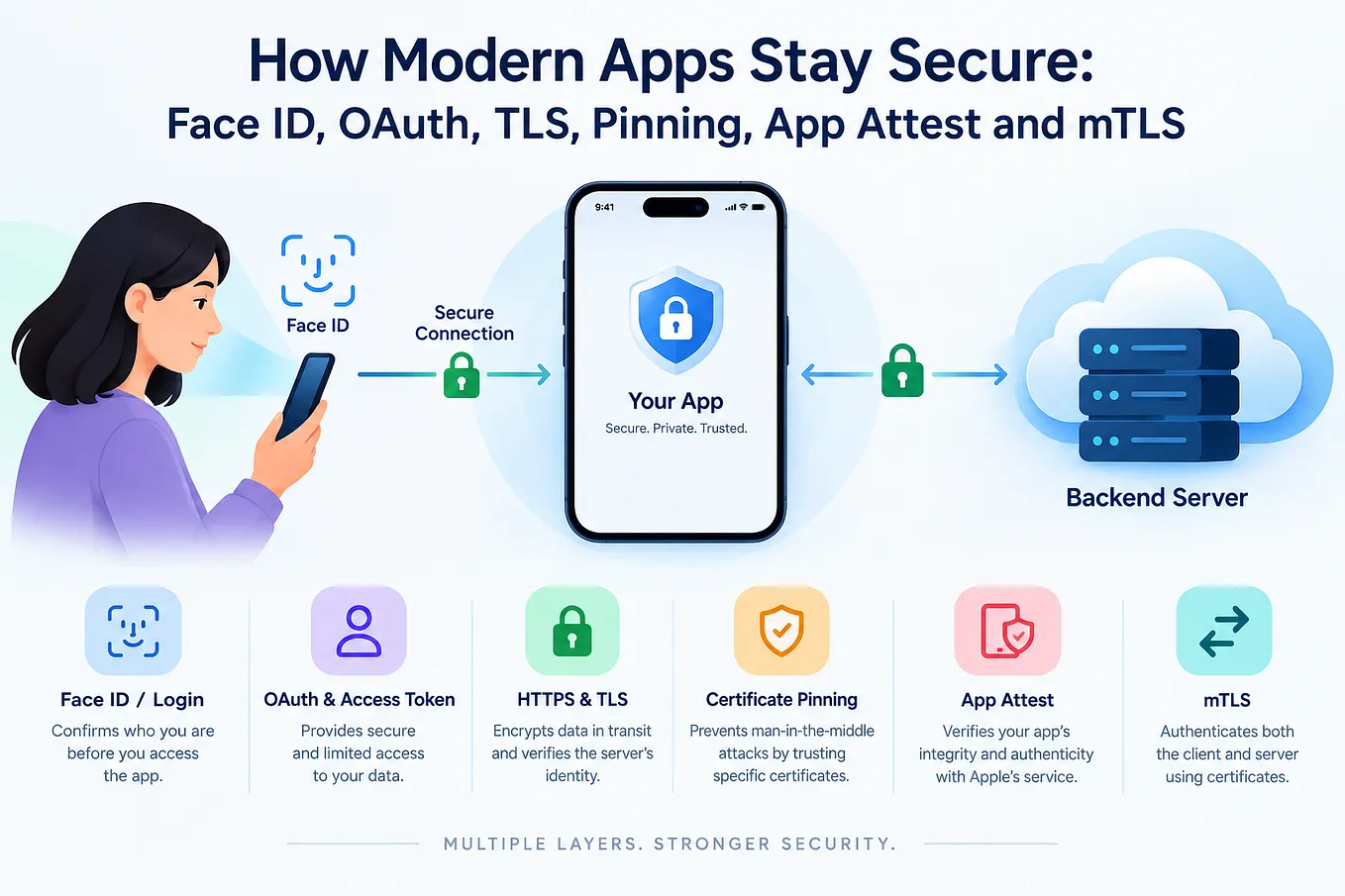
2/ App Security
This involves implementing strong security measures to protect the app and its users from threats, vulnerabilities, and attacks. This includes:
- Data encryption
- Secure authentication
- Secure Socket/HTTP connection
- Secure in-app WebView
- Regular security audits.
3/ App Architecture and Libs
Get Tan Tran’s stories in your inbox
Join Medium for free to get updates from this writer.
This is about designing and maintaining a scalable and maintainable app structure, using appropriate design patterns and libraries. It’s essential to ensure the app is easy to develop, modify, and extend. This includes:
- Maintain app architecture: MVVM, MVP, etc.
- Build core libs and components for Networking, Experiments, Analytics, Storage, etc.
- Build common Widget/UI components such as Button, BottomSheet, Dialog, ErrorView, etc.
- Build Unit/UI test frameworks
4/ Developer Experience
This focuses on creating a pleasant and efficient development environment for the app’s developers. It includes:
- Providing clear documentation, how-to, guidelines
- Code convention
- Tools & frameworks to monitor, track, detect, and report issues
- Best practices for most frequently used use-cases
- Speed up app build time
- Speed up CI/CD pipeline
- Code Review
5/ Release Management
This involves planning, scheduling, and coordinating the app’s releases, ensuring that new features, bug fixes, and improvements are delivered to users in a timely and well-organized manner.
- Automate cutoff and bump up app versions
- Automate build the app and inform QAs for testing
- Automate app whitelisting
- Automate app deployment
6/ Keep the app updated with the community standard
This means staying informed about the latest industry best practices, trends, and technologies, and continually updating the app to meet or exceed these standards. This helps maintain the app’s competitiveness and relevance in the market. It includes:
- Upgrade Android SDK, Xcode Migration
- Bump dependency version
- Bump minimum Android/iOS version
- Explore new tech and 3rd parties changes
Thanks for reading! Please let me know what you do in your platform team in the comments.