Creating a Stronger Skeletal Structure

A direct result from an active lifestyle is a stronger skeletal structure along with stronger tendons and ligaments. This also helps stimulate the production of synovial fluid for our joints, which helps them glide more smoothly across each other.

Just like a muscle that becomes stronger (after recovery) as a result from new stresses, our bones become stronger in the much same way. When we exercise with resistance the muscle will pull or push the weight using the bones and joints as levers, guides, and controls, so in actuality muscle in action without its skeletal counterpart would be a pile of useless muscle spasms.
Get Wade Yoder’s stories in your inbox
Join Medium for free to get updates from this writer.
Our body’s direct response to inactivity is to shrink things into proportion with our need, this happens with our bones in what we know as bone density. It is a simple process of supply and demand, but it is reduced or increased over a period of time, that is why someone can get skeletal injury or damage when overdoing an activity it is not used to. A gradual increase of stress is how we can get our brain to signal for increased bone density and how our tendons and ligaments strengthen as well.
Chronic inflammatory joint conditions: I like to think of chronic inflammation as an injustice left unattended and the longer it is left to fester, the angrier it gets! This is how our skeletal structure feels if we either gain weight without the supporting muscle to go with it or we are overweight and start becoming inactive causing us to lose the very muscle our skeletal structure is relying on to help split the duty of the carrying this extra weight. Simply imagine a joint area as getting upset with a load it has not been conditioned to carry and we can imagine where the source of the inflammation is coming from a little better. Inflammation is the root source of most all chronic diseases and works in much the same manner in our joint areas, causing discomfort and mobility issues.
Weak bones can be a result of inadequate sun: vitamin D is the sun vitamin and the level of vitamin D in our body largely determines the amount of calcium our body can absorb from our diet. We can have a calcium rich diet, but if we don’t have enough vitamin D in our body, it will cause the calcium to pass through unabsorbed.
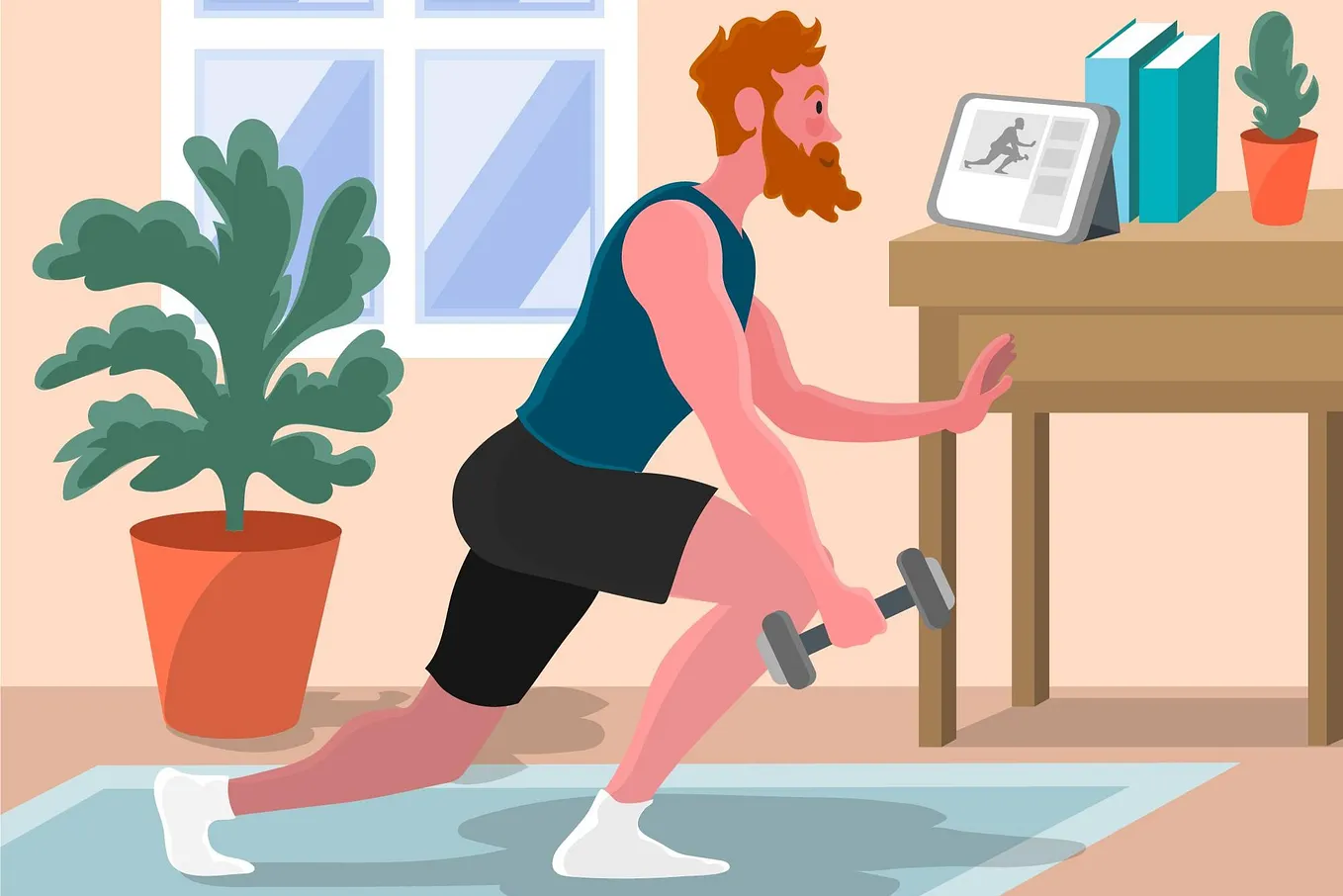
Exercises for skeletal strengthening: though most exercises will strengthen the skeletal area it tugs against, there are some that we can do that help our joints move in better unison with each other. These are compound movements and are simply real-life movements, such as picking a weight off the floor and lifting it above your head, push-ups, pull-ups and squats. Compound movements for a beginner can be as simple as to lay on the floor (on your back or stomach) and then get back to a standing position, repeats this movement several times. These types of real-life movements help muscles, joints, tendons and ligaments to work in synergy with each other. To take it up a notch for increased skeletal strength and capability, simply find a way to add resistance to your selected exercise movement(s).
Our body is unequally designed to continually modify itself for the conditions we place it under; the weakening or strengthening itself part largely depends on us!