Finale: BPI 2022

The other day I have already posted about my attempts at MEXT in which, wasn’t a fruitful one. It was a daunting phase since my backup plans were about to reach its limit at that time.
Applying for Beasiswa Pendidikan Indonesia (BPI) wasn’t in my to-do list until I encountered someone online who happens to be a fellow applicant back in April 2022. After being informed about this program, I began collecting more information just in case I might apply for this program later (which I did).
You might already familiar with LPDP that’s offered by Kemenkeu RI. I could say BPI is a sister scholarship of LPDP (if that sounds make sense) since both programs came from the Indonesian Government. But what differs BPI from LPDP is that BPI is a more targeted scholarship as only people under certain categories can apply. (You can check more about it here)
In my case, I applied under the Pelaku Budaya scheme. For this specific scheme, eligible persons that can apply are those who have been accepted into programs that’s prioritized by the Direktorat Jenderal Kebudayaan, in which my desired major (media design) falls under the category of digital humanities and new media program. (Anyway this requirement has changed a lot in BPI 2023, so please read the latest guidebook thoroughly)
Documents I submitted for BPI 2022 include:
- Ijazah & Transcript
- KTP
- Photograph
- English proficiency test
- Letter of Acceptance from university
- Recommendation letter by academics
- Medical assesment (surat keterangan sehat & bebas narkoba). You can get this at either hospital or puskesmas. Mine looks like this below.

- Surat pernyataan komitmen
- Letter of Intent/Personal statement (written in English with 1,5k — 2k words, things should be covered: self-introduction and detailed plans upon graduation)
- Study plan (the same format as personal statement except it’s all about our reasons in choosing the major and plans for the entire period of study)
On July 24, I got informed that I passed the 1st round and was scheduled for an interview on July 29.
Get Qomariah Najmi’s stories in your inbox
Join Medium for free to get updates from this writer.
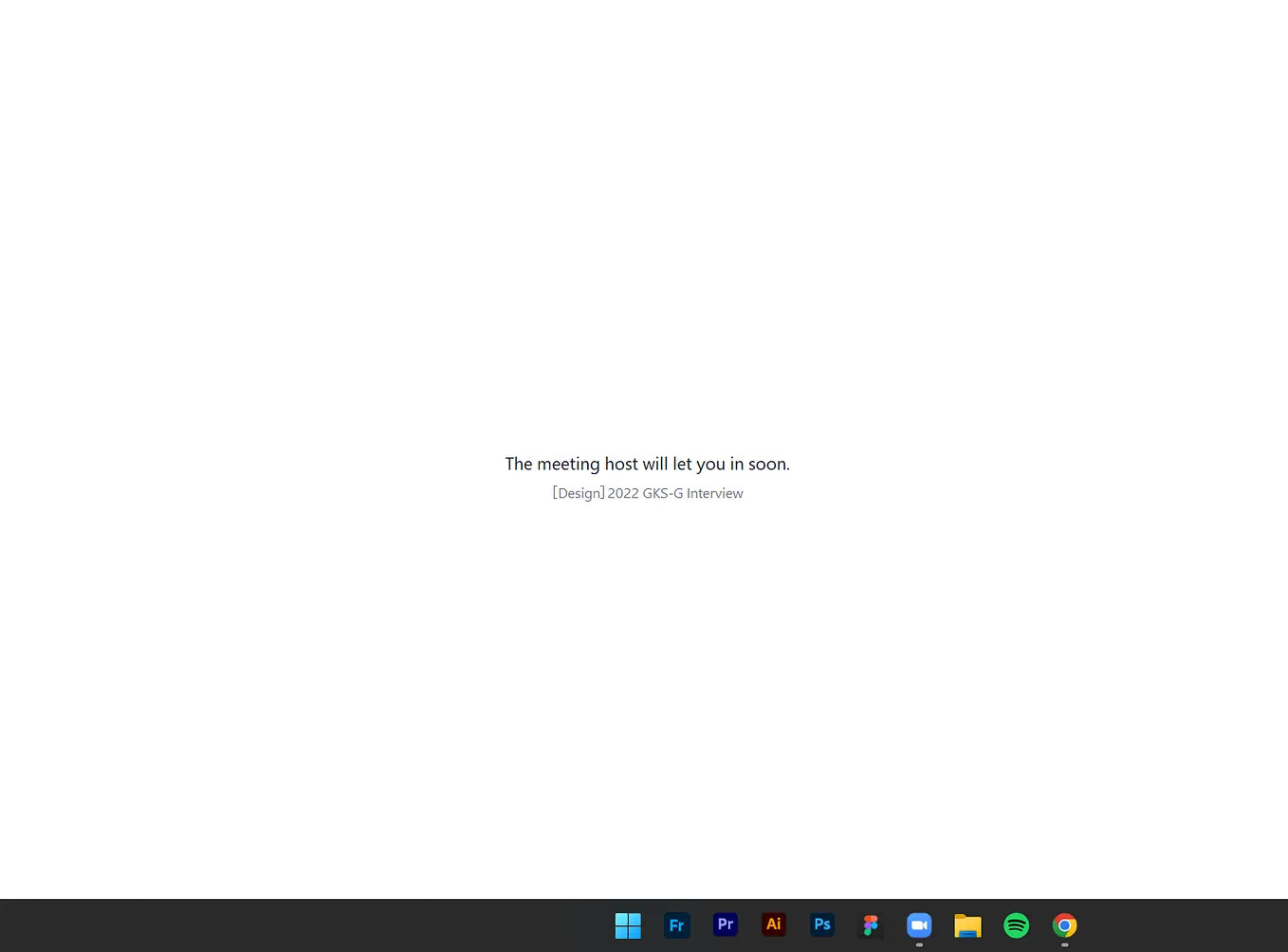
The D-day was full of surprises though, from being interviewed 4 hours ahead from the intended time to using full Indonesian for the whole session. I was supposed to do the interview at 1 PM, however at 8.52 AM I got a call from the committee, asking whether I could join at 9 AM, which I agreed to.
There was no turning back. I rushed to get prepared in 8 minutes —or 10 minutes to be exact, as Zoom decided to update itself first :(
In the meeting room, I was greeted by four people including a psychologist, a ministry of education representative, a lecturer in my intended field, and an operator, who called me just now.
(I was actually just making a guess of them all since they didn’t really introduce themselves and proceeded to conduct the interview immediately).
They first asked me to show my identity card as well as showing my surroundings 360 degrees to make sure that I was all alone in the room.
Though I’ve prepared the interview in English, they somehow decided to go with full Bahasa Indonesia (it’s a win for me though). I heard some people after me did it in either English-Indo or full English.
From what I could remember, these are the questions they asked me:
From the lecturer:
- Why did you choose Japan?
- How much do you know about the program you’re going to study at?
- What was your research focus during bachelor’s study?
- Have you contacted the professor you’re interested in working with?
From the psychologist:
- What kind of challenges do you think you’re going to face while studying in Japan?
- Have you ever taken the Japanese language exam certification (JLPT)?
- What past project impressed you the most?
- What are you going to do after graduation?
- Have you been in any difficult situations? How do you deal with it?
From the ministry of education representative:
- Ten years from now, where will you be? What kind of job do you work on?
- What kind of real project do you want to create in the future?
Aside from those mentioned above, they also asked me things related to what I wrote in the essays, which I couldn’t disclose here.
Before I left the room, they gave me an attendance form to fill.
Around ten days later, I checked my email to see the final result, and to my surprise:

I was (and still am) grateful that things work well — that it turned out this way, definitely couldn’t ask for a better life plan other than this.
Now, if I were asked what things I learned the most from all these master’s and scholarship application, I would summarize them into 3 points:
- Be genuine. Admission committees have come across lots of people before you, hence it’s easy for them to know whether you’re lying about your past experiences or future desires. This hit me the most when I was writing essays for KMD admission. I remember I pondered a lot about my life for the past few years to admit the thing that actually has been bothering me — the thing that I want to change someday. It doesn’t always have to be a big, world-class issue but rather, it could be something personal and close to your heart.
- Be confident. Do your research about the school, the program, the people you’re going to be interviewed by, and show them. This came from my UNIST experience where I mentioned one of their courses. Maybe, If I were too afraid to ask, they wouldn’t know that I told the right finding there.
- Be adaptive. When the BPI committee asked me to join early for the interview, I was actually torn between agreeing and rejecting. Rejecting the offer once sounded right to me as that means I could have more time to practice. However, agreeing also did sound good as it would show that I am always ready despite the circumstances. I was glad that the latter voice rang louder in my head back then.
Now I am onto the next journey and hoping things would do me some good.